

Minneapolis loves its liquor, but don't expect to see many new spots to buy a bottle of booze.
The landscape of available locations to open a liquor store outside downtown is nearly barren, due to the city's effort to keep them apart from each other and away from schools, churches and homes. The last major locations in sought-after south Minneapolis are so prized that business owners must duke it out at City Hall for the rights.
"You have to be lucky to find a spot, and the minute you do there will be too many sharks fighting for it," said Ahmad Al-Hawari, who tried unsuccessfully to open a liquor store on 28th Street and Lyndale Avenue two years ago.
The latest scramble surrounds 26th and Hennepin, where entrepreneur Dan Kerkinni is jockeying against Kowalski's Markets for the last available liquor store location in Uptown. Kowalski's is poised to win that fight.
The city's efforts to control the sale of liquor have a tumultuous history that dates to the 19th century and at times has spawned corruption and organized crime. For 90 years, liquor establishments were kept within defined "liquor patrol limits," originally named for the foot patrol routes of police officers. The patrol limits disappeared with a city referendum in 1974.
What remains, however, is a series of smaller restrictions coloring a giant map at the city's licensing department -- a document some local entrepreneurs have nearly memorized.
Rules are much looser downtown, but elsewhere, liquor stores must be surrounded by 5 acres of appropriate commercial zoning. They must also be at least 2,000 feet apart, as the crow flies, and 300 feet from schools and churches.
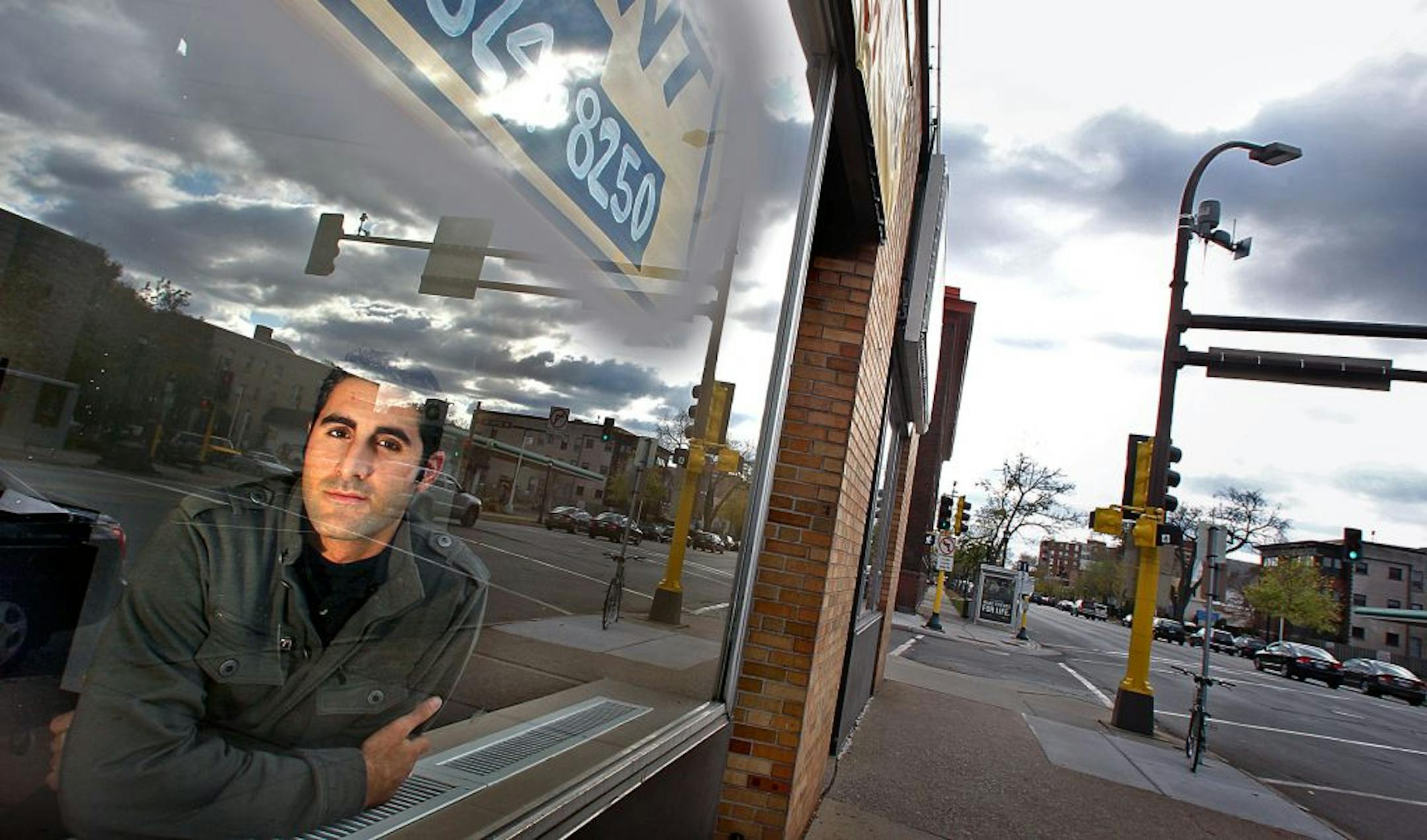
"If you take a look at the map ... there's virtually no spaces left in the city," said Kerkinni, who hopes to open a south Minneapolis store specializing in craft beers and microbrews. The city has told him to start looking in the suburbs.


