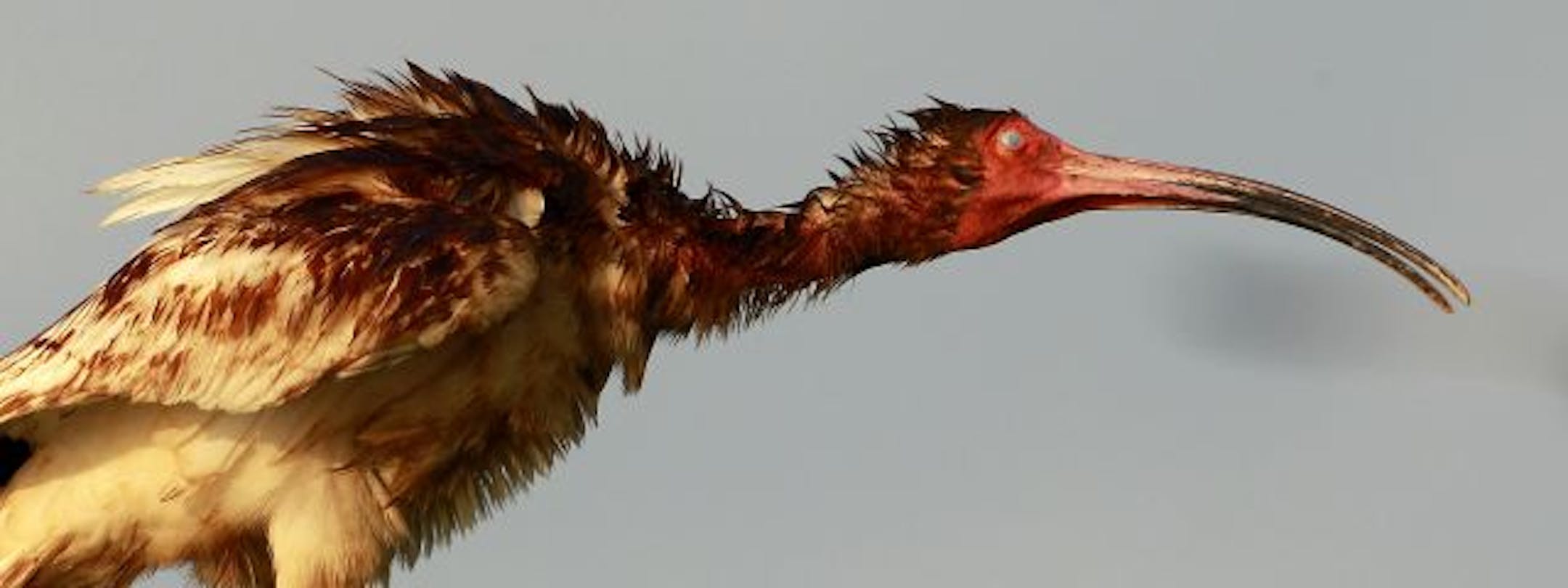
In a first-ever attempt to alter migration routes, the federal government plans to spend more than $20 million this month to keep millions of birds that fly south every winter out of oil-fouled wetlands along the Gulf of Mexico.
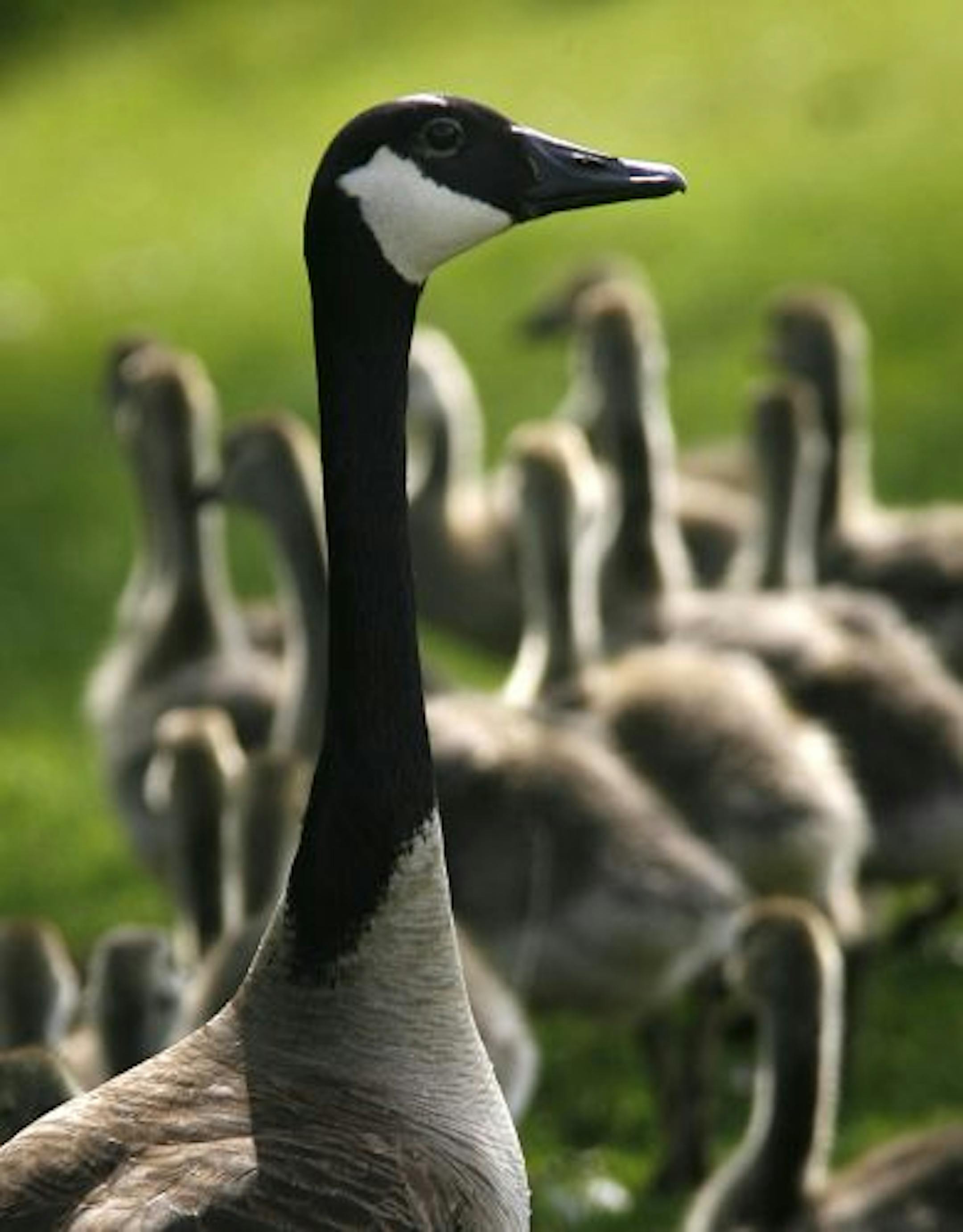
The birds targeted for help include many that Minnesotans see every day: mallards to great blue herons, wood ducks to great egrets. Left unaided by the wetland effort will be the state bird, the loon, which spends winters on the open waters of the Gulf and the Atlantic Ocean.
Acting in a time frame that belies the speed at which government typically moves, the Natural Resources Conservation Service (NRCS) -- part of the U.S. Agriculture Department -- will establish alternative habitats in eight states, as far north as Missouri, where as many as 30,000 acres of new habitat are expected to be developed.
But whether any birds will be saved from an oil-drenched death this fall and winter is unknown. "I've heard all sides, both that this won't make much of a difference, and also that if we establish habitat all the way up in Missouri, we'll shortstop the birds and they won't come farther south," said Leslie Deavers of the NRCS in Washington. "We don't know exactly what will happen. Our aim is to provide as much habitat as possible."
An estimated 13 million ducks and geese winter in the coastal wetlands of Louisiana or pass through en route to points farther south. Millions of additional shorebirds and other migrants also wing along the Mississippi Flyway.
Among these are certain species of plovers and terns that will arrive along the coast as early as this month. And blue-winged teal, a duck species that nests in Minnesota, will migrate to Louisiana beginning in August.
Those species -- along with the tens of millions of other game and non-game birds that will fly south as late as December -- are headed toward an uncertain fate. A lot will depend on when the oil blowout is capped, and whether hurricanes push sticky crude into the sensitive coastal marshes that extend along Louisiana's more than 7,000 miles of Gulf shoreline.
"What we're doing has never been tried before," said J.R. Flores, NRCS state conservationist in Missouri. "I think it has a good chance of helping. If we don't try something, and the situation worsens in the Gulf, what's going to happen to the birds?"