

Fortunately for the Twins and their three-time batting champion, the question is only a hypothetical. But it's interesting nevertheless: If the 2001 draft were held under 2013 rules, would Joe Mauer be a Twin today?
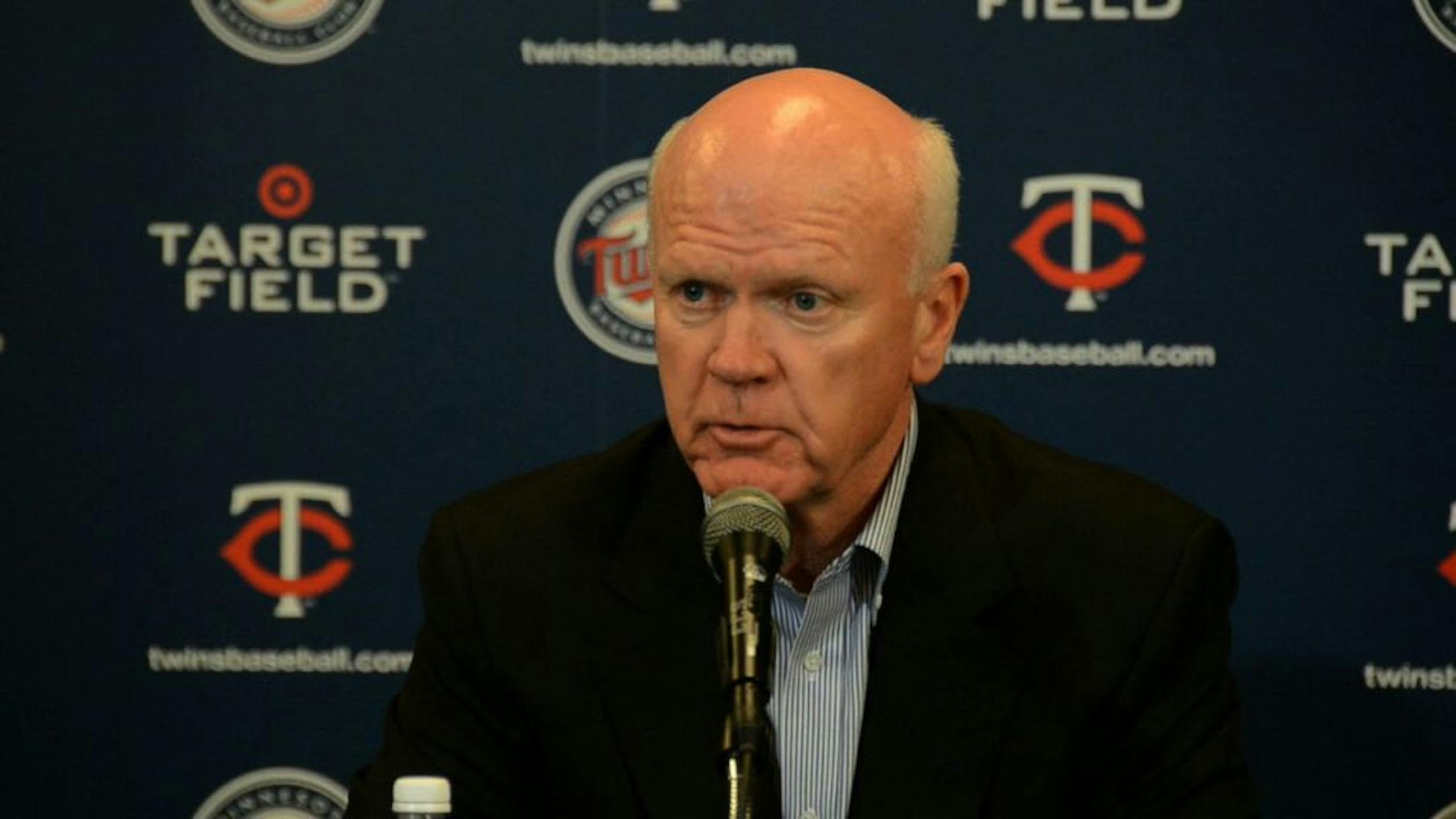
Yes, insists Terry Ryan, the general manager who authorized the $5.15 million bonus it took to sign the St. Paul catcher; Mauer was the player the Twins preferred all along, he said. But the industry consensus at the time was that Southern California righthander Mark Prior was one of the best pitching prospects in baseball history, and Georgia Tech third baseman Mark Teixeira was a better hitter than Mauer. Trouble was, both were represented by super agent Scott Boras, both wanted huge contracts and were willing to hold out to get them, and Prior had made it clear he wouldn't sign with the Twins, who owned the No. 1 pick.
But today? The players would have far less leverage, negotiations would last only about six weeks, no prospect could sign a major league contract (as Prior and Teixeira did), and the money they received — $10.5 million in Prior's case, counting guaranteed major league money, a record that stood until Steven Strasburg entered the draft in 2009 — would be severely restricted. "The early returns on the system we have now show that the quote-unquote superstar players are affected the most by the [2012] changes," said John Manuel, editor of Baseball America magazine, which closely covers the draft and all levels of pro and amateur baseball. "Basically, it's no longer realistically possible for a superstar to get outrageous money."
Which is fine with the Twins. When Major League Baseball's amateur draft convenes on Thursday, teams will operate for a second season under strict limits on bonus money, rules that changed strategies, shuffled draft boards and sped up the draft-and-sign process last year. But from the Twins' point of view, the new "slotting" guidelines simply made their competitors play under the same rules the Twins had followed all along.
"In our humble opinion, we were getting killed by teams who were taking advantage of a bad system," said Mike Radcliff, the Twins vice president for player personnel, who oversees, along with scouting director Deron Johnson, the team's draft preparations. "We were getting killed because we tried to follow rules that others ignored. Now it's more about who does the best job of scouting. It's more of a level playing field."
Well, not for the franchise-altering players at the top of the draft, who can no longer expect to stretch the size of the bonus record. Strasburg received a guaranteed $15.1 million from the Nationals when the righthander was selected No. 1 in 2009, and outfielder Bryce Harper signed a $9.9 million contract the following year, but "if another Strasburg comes along, he's not going to get anywhere near $15 million, and if a Harper is drafted now, he'd get a lot less than $10 million," Manuel said. "You can't tie up all your bonus money in one guy, even if he's a franchise guy."
That's because of the bonus pool and "slotting." Each draft pick is assigned a recommended bonus, from $7.79 million for the overall No. 1 this year, to $135,300 for the last player taken in the 10th round. A team can spread its money around any way it likes, but if it spends more than its recommended 10-round total — $8.3 million for the Twins this year, for instance — it must pay a penalty, first in a "luxury tax" on the overage. It a team exceeds its slot amount by more than 5 percent, it forfeits its first-round pick in the following year's draft, a penalty few teams are expected to risk. Go over by 10 percent, and lose two first-round picks.
"Teams did a good job of identifying who would sign and for how much, and who would be a signability problem," Manuel said. "Signability is more important now than ever," because there is no advantage to not signing a draftee; teams forfeit the allowance for any unsigned player.


