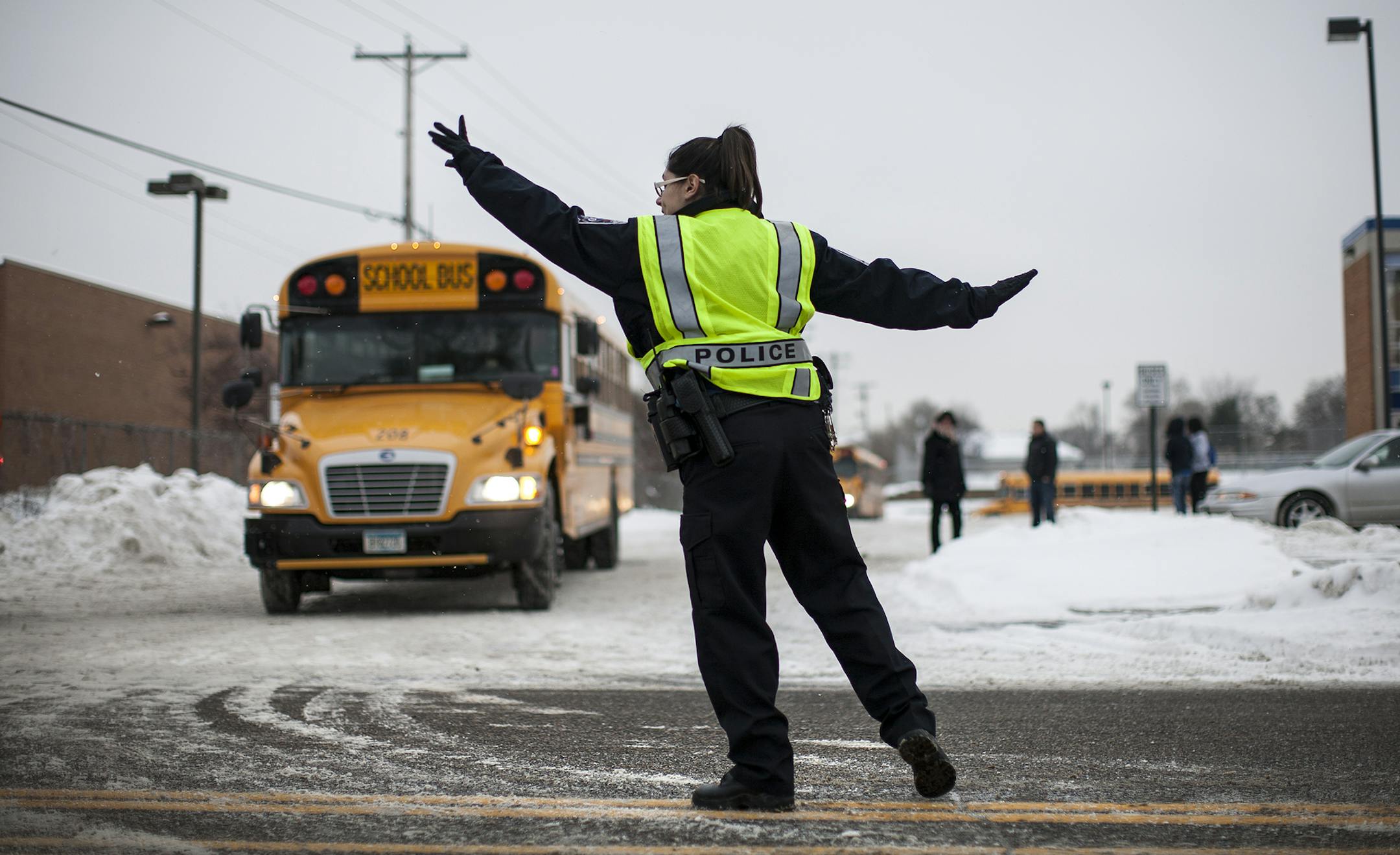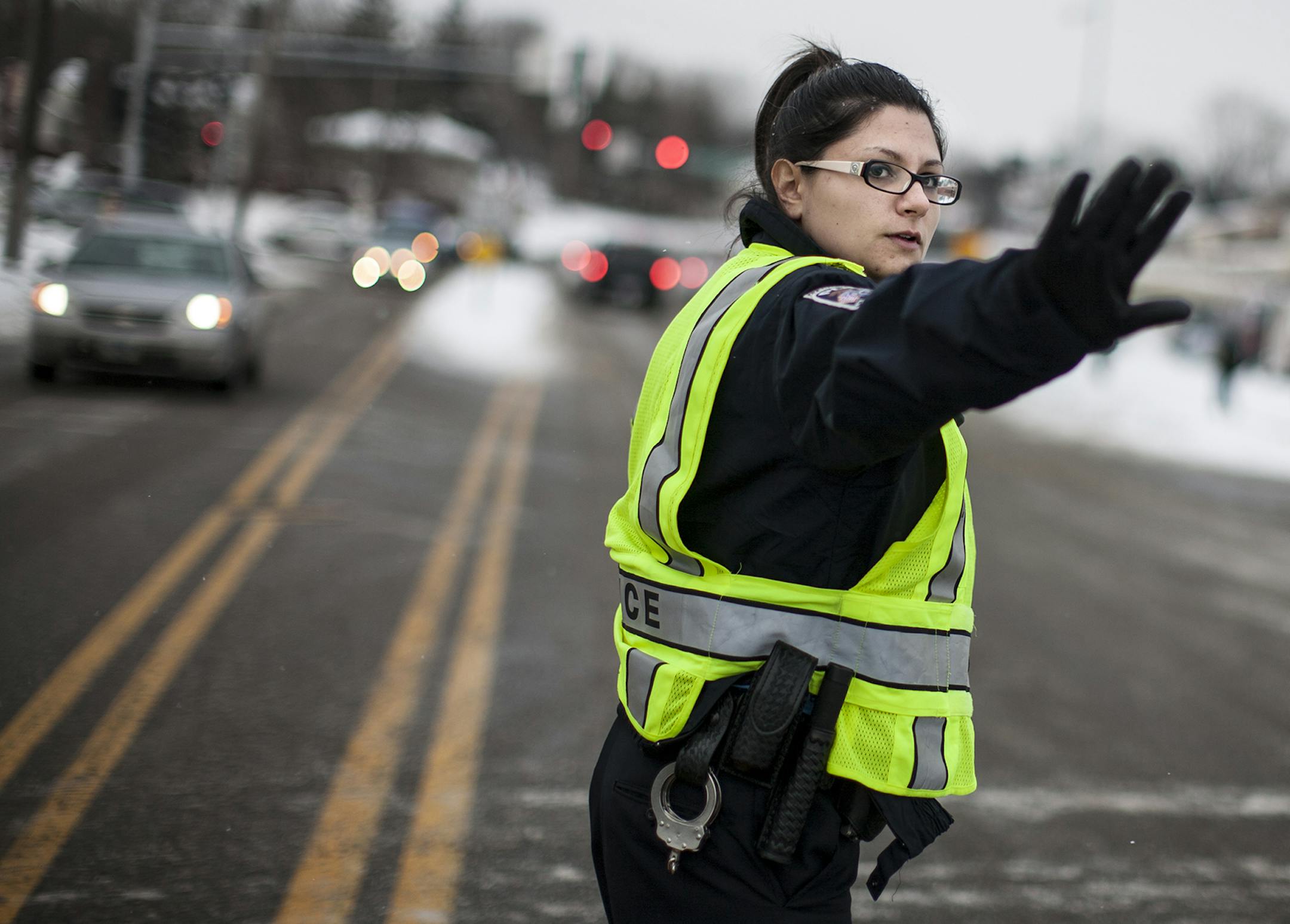
Jackie Duchschere started her career in the unsparing world of politics after earning her bachelor's degree. In her work at a state agency, her problem-solving and people skills were tested almost daily.
She'll now plug those skills into her new job as a Columbia Heights police officer.
Being an officer these days is as much about brains as it is about brawn as more suburban police chiefs seek out job candidates with four-year degrees and previous professional experience, often in outside fields, including teaching, political science and corporate America.
Minnesota has long led the nation in peace officer standards; it's the only state to require a two-year degree and licensing. Now, a four-year degree is becoming a more common standard for entry into departments including Columbia Heights, Edina and Burnsville. Many other departments require a four-year degree for promotion.
It's not a rapid-fire change, but rather an evolution sped up by high unemployment that deepened the candidate pool and gave chiefs more choices. Officer pay and benefits can attract four-year candidates. Edina pays top-level officers $80,000; Columbia Heights pays nearly $75,000.
Nowadays, officers are expected to juggle a variety of tasks and that takes more education, chiefs said. Officers communicate with the public, solve problems, navigate different cultures, use computers, radios and other technology while on the move, and make split-second decisions about use of force with a variety of high-tech tools on their belt. And many of those decisions are recorded by squad car dashboard cameras, officer body cameras and even bystanders with smartphones.
Those higher community expectations and scrutiny are why Columbia Heights Police Chief Scott Nadeau said hiring officers with a four-year degree and some life experience is a top priority.
Still, there is healthy debate in law enforcement, with some chiefs favoring direct experience over pedigree.