

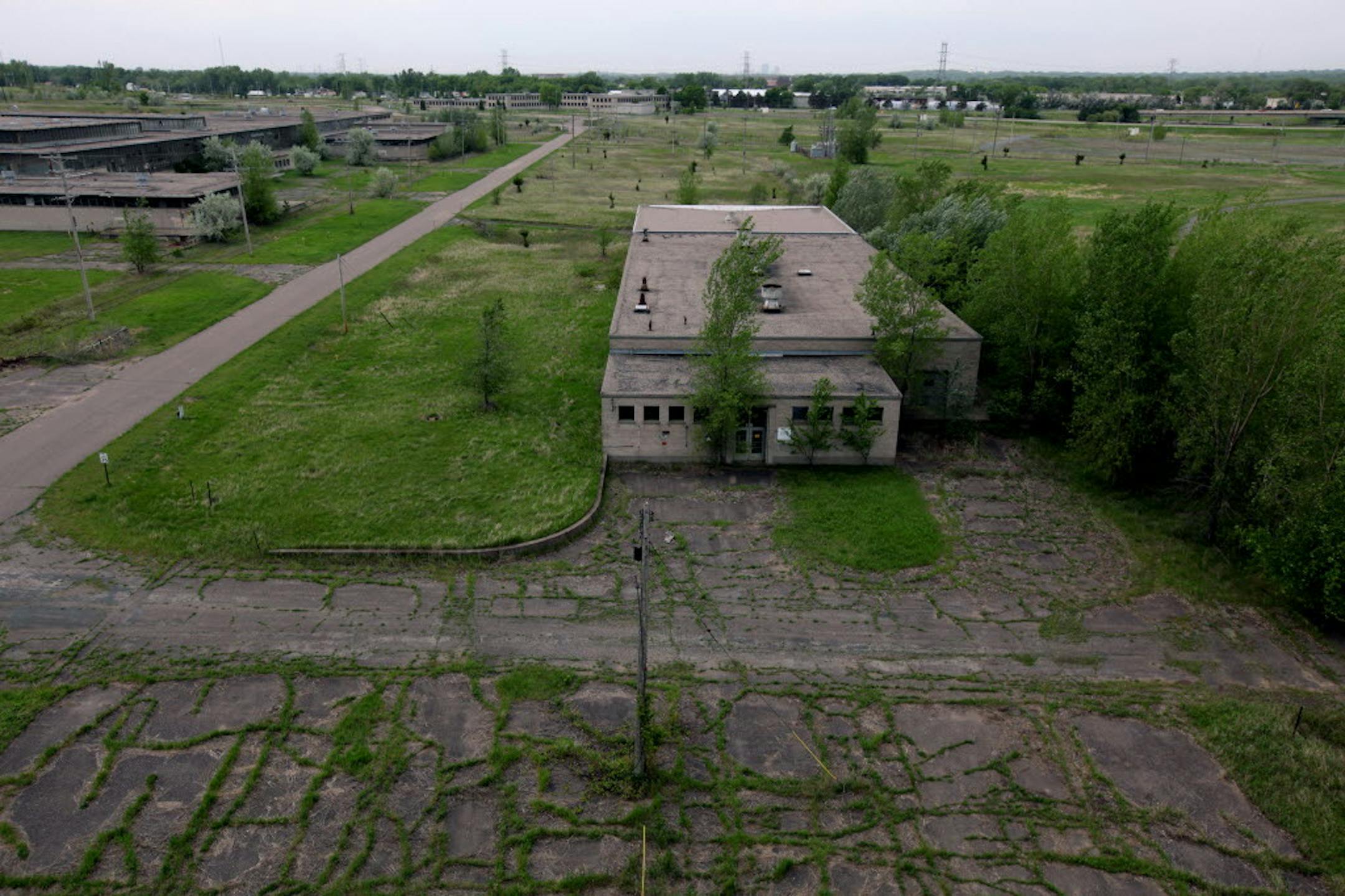
New Brighton is taking the U.S. Army to court, accusing it of reneging on a 1988 settlement in which it had agreed to pay the city millions of dollars to treat drinking water following decades of contamination at the nearby Twin Cities Army Ammunition Plant.
The court settlement followed a four-year legal battle between the Army and the city over what Brig. Gen. Michael Nardotti, the Army's former judge advocate general, had called "the most extensive Army contamination of a civilian water supply known to exist … affecting the water supply of approximately 35,000 people."
For the past 26 years, both the Army and the city have lived amicably under the hard-fought settlement terms. Now, however, the city says the Army has abruptly decided it wants to change the deal.
Under the 1988 settlement, the Army agreed to "pay all costs" to the city for building and operating a state-of-the-art treatment facility that would remove contaminants and supply clean water to New Brighton's residents, which now amount to $2.5 million to $3 million a year. The agreement also would be in force as long as there were contamination levels in the water considered unhealthy.
It also required that the Army maintain a three-year advance reserve for the water cleanup operations. The reserve protects the city from financial risks, said Dean Lotter, New Brighton's city manager.
But now the Army has stopped maintaining that reserve, and has threatened not to make future payments unless the city agrees to new settlement terms, according to court documents filed this week in U.S. District Court. The city is fighting that effort.
"We have settled litigation with the Army, and we have specific terms the Army and the federal government agreed to," said Lotter. "Now they want to unilaterally change those terms. Those changes are unacceptable."
The Army wants to effectively take over the city's water cleanup system, Lotter said, and limit expenses it will pay for and run the water system under federal, rather than state regulations. In 1992, the Army made a lump-sum payment to cover the first 20 years of those costs, and the relationship had been working well, Lotter said.


