

One in three American women will have terminated at least one pregnancy by the time they reach menopause.
Armed with that statistic, author Katha Pollitt makes the case that abortion should be viewed as a common part of women's reproductive lives.
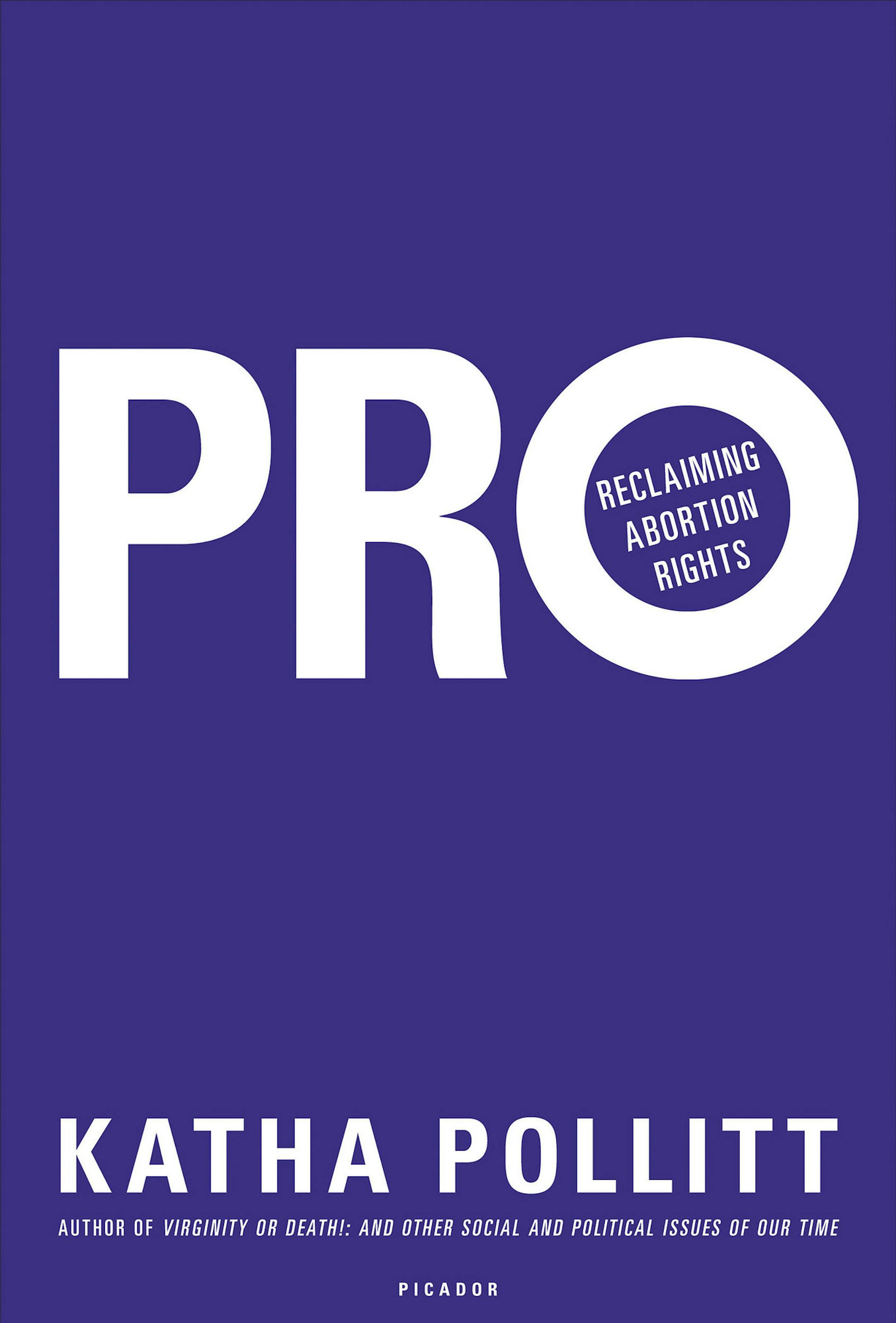
In her latest book, "Pro: Reclaiming Abortion Rights" (Picador, $20), the columnist for the Nation argues that abortion can be a force for social good, enabling women to make wiser decisions for themselves and their families.
Q: A possible scenario: Book club discusses "Pro," and members learn that views greatly differ. Talk grows heated and before you know it, someone mutters, "Baby murderer!" Is there a way to talk through that one?
A: I don't see why people can't have a reasonable discussion about abortion, as we do about many other contentious ideas. … It's a whole way of looking at women, [with] one way saying, "You are at the center of your life. You should decide when a good time is to be a mother." The other side says, "Fate decides; nature decides. Once you're pregnant, you've lost the right to redirect your life."
Q: You describe abortion foes as favoring embryos over women, that if they cared about strengthening families, they would settle for abortion being "safe, legal and rare." So what's behind the continuing focus on potential new life over existing lives?
A: I think a lot of it is about women having sex. Abortion was legal in America in most states until after the Civil War. I think it changed because women started fighting for and obtaining more independence, getting more education. Middle-class couples started postponing having children, and had fewer children.
Q: Abortion was legal before the Civil War?


