

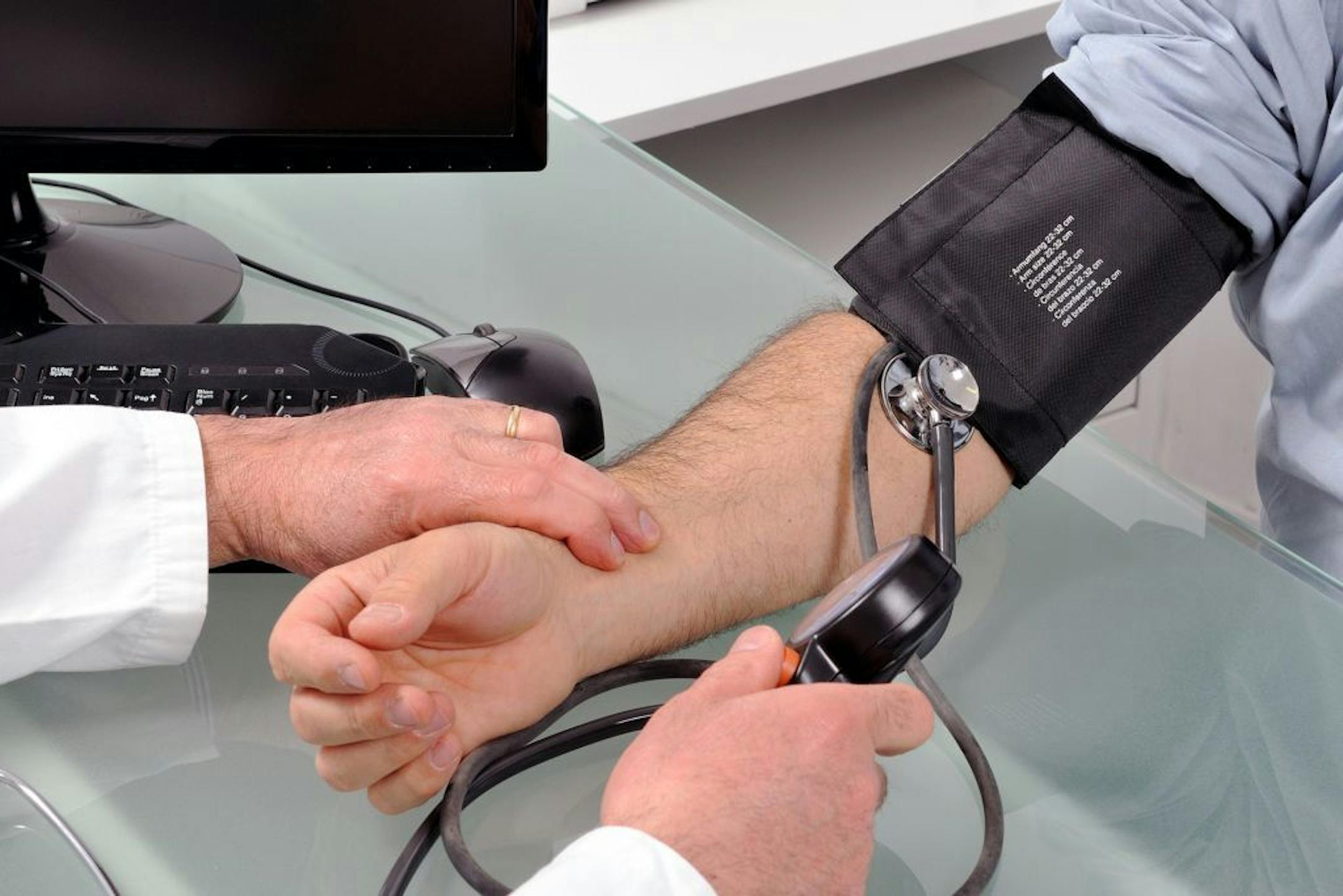
Doctors who treat patients with high blood pressure received some assurance Wednesday that their use of new national diagnosis guidelines that lowered the threshold for hypertension will prevent disease and save lives.
A study published in JAMA Cardiology estimates that 340,000 cases of cardiovascular disease and 156,000 deaths would be prevented each year if all hypertension patients achieved the goals of the 2017 guidelines, compared to the older recommendations.
The 2017 guidelines, issued by the American College of Cardiology and the American Heart Association, theoretically added 31 million Americans to the nation's hypertension tally, the new study showed. However, they don't say all patients need to take drugs to lower their blood pressure; only 11 million of the newly diagnosed patients would need such medications, while the rest would be advised to watch their blood pressure levels or improve their diet and exercise.
The new guidelines set the threshold for diagnosing hypertension at a blood pressure reading of 130/80 instead of 140/90.
Dr. Michael Miedema, a preventive cardiologist with Allina Health in Minneapolis, said the research is helpful because the 2017 guidelines have created a "gray zone" of patients who aren't sure what to do about their new hypertension status and whether to take medications to lower their risks of heart attack and stroke.
"Preventive medications have such a different psychology to them," he said. "I'm never going to have a patient coming in saying to me, 'I didn't have a heart attack today. I'm so happy I'm on my blood pressure medication. I can't wait to take it again tomorrow!' "
While three primary classes of medications for managing high blood pressure are well-studied and generally safe, they do carry risks — particularly of causing low blood pressure, which can lead to falls and injuries in the elderly, among other symptoms.
If the 2017 criteria were applied nationwide, the increased use of medications would likely result in 62,000 more cases of abnormally low blood pressure, 32,000 cases of patients fainting, and 79,000 cases of acute kidney injury or renal failure, the study found. But the researchers from Tulane and Northwestern universities concluded that those risks were outweighed by the benefits of addressing blood pressure in all Americans with levels above 130/80.


