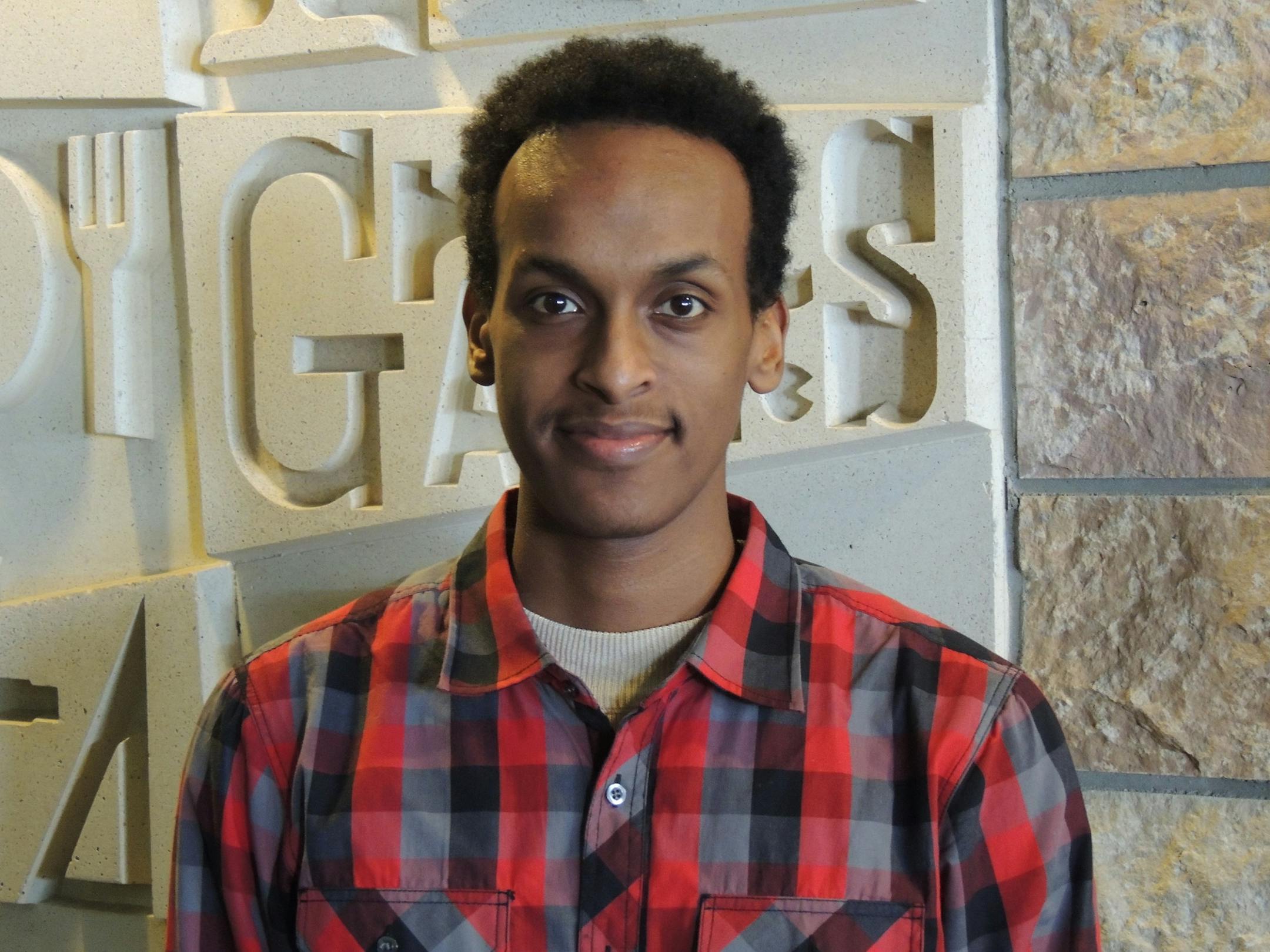
NORTH MANKATO, Minn. – Mustafa Omar graduated from St. Peter High School last spring with a clear goal — earning a degree in petroleum engineering — but only a vague idea about how to achieve it.
"One of the main reasons we are here is to get a good education," said Omar, who grew up in Syria and whose family has roots in Somalia.
Minnesota State University in Mankato felt too big. His hometown school, Gustavus Adolphus College, with its $40,000 annual tuition, he didn't even think about.
That left South Central College, a community and technical college about a dozen miles away. Once he got a car.
After saving enough for a 2009 Chevy Impala, he started classes a month ago. "I like the class sizes. I like the teachers." He hopes to earn an associate degree before transferring to a four-year school.
Courses in English
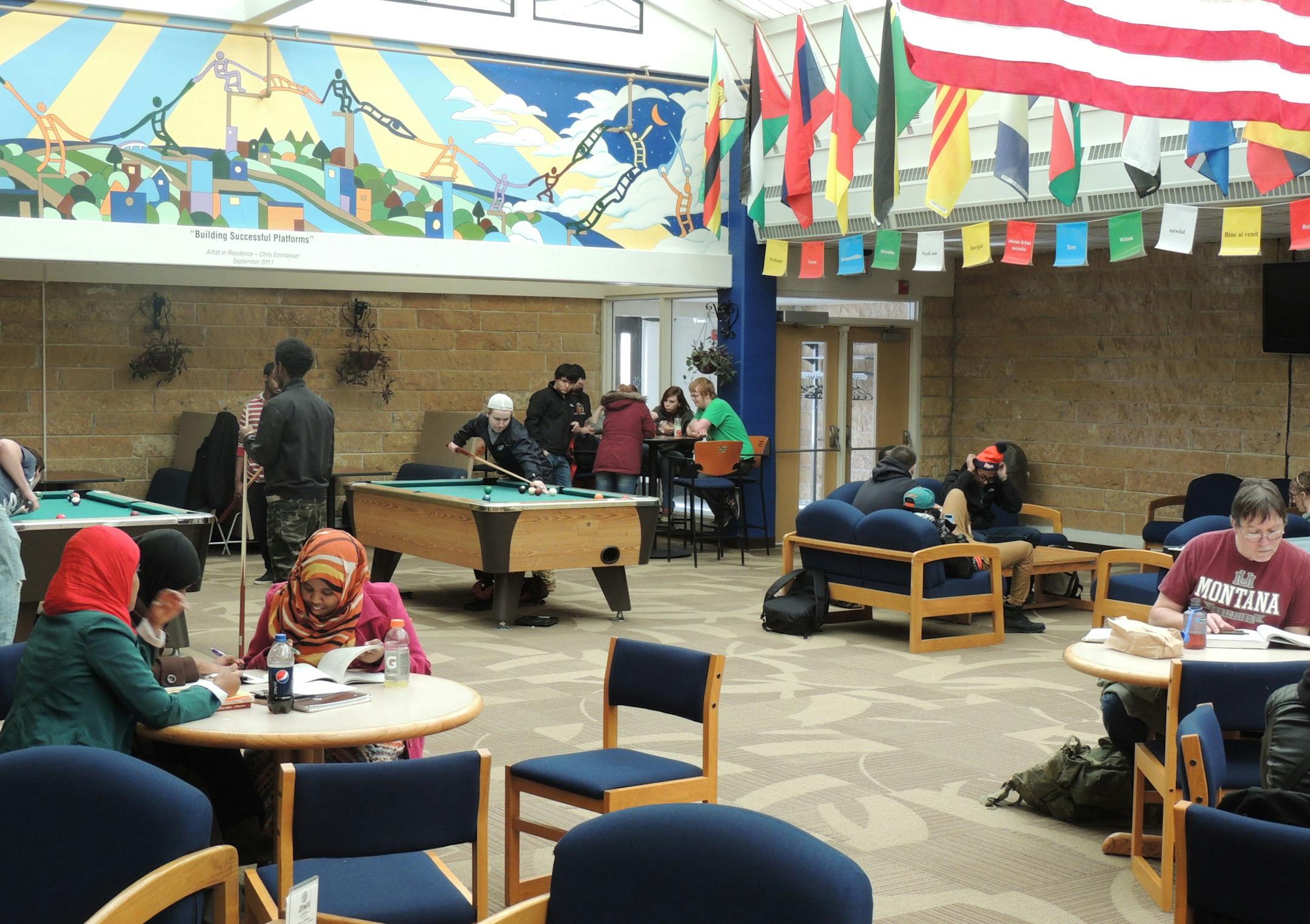
For years, many of the state's newest immigrants and refugees have been building lives in small Minnesota towns, where they were first lured by jobs in meatpacking plants or other agricultural industries. Now many of them are getting a start in higher education at public institutions, especially at two-year community and technical colleges. They are taking advantage lower tuition, smaller class sizes and a proximity to home — as well as developmental courses in English.
Over a five-year period ending in 2013, the enrollment of Latino students in the Minnesota State Colleges and Universities system — the state's largest higher education system with seven universities and 24 two-year colleges — increased 35 percent while the enrollment of black or African-American students jumped 41 percent. The two groups account for 37,000 students at MnSCU schools.
While it is unclear how many of these students are from newer immigrant or refugee communities, interviews with teachers and college administrators suggest that these newcomers, and their children, are increasingly gaining a foothold in higher education at the small schools in their midst.