

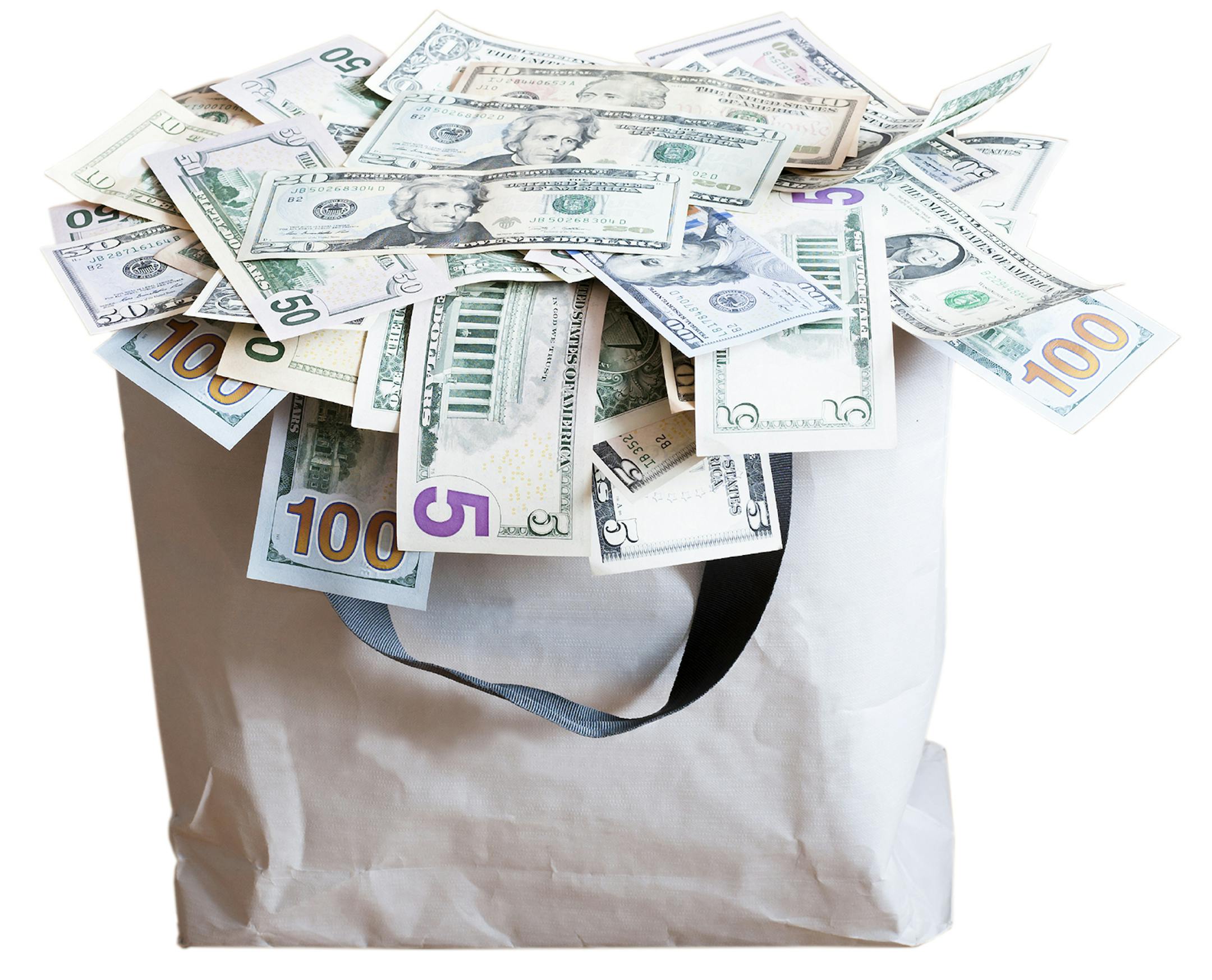
Loretta Mulqueen hasn't touched her credit or debit cards for six weeks.
"Just the thought of using them makes me nervous," the Mound resident said. "I use cash or checks for everything now."
She started doing that when the news surfaced about the data breach at Target stores. By the time the FBI announced two weeks ago that it had uncovered 20 similar retail-store hacking cases last year, Mulqueen was convinced that she was on the right track.
"Sometimes it's tough," she admitted. She's leery about carrying large amounts of cash everywhere she goes, so she estimates the amount of money she'll need for that day's shopping and stops at the bank on her way to the stores. If her estimate turns out to be low, she might have to go without something she wanted. "But I had to do something" to protect herself from fraud, she said.
In a recent public opinion poll, 37 percent of U.S. shoppers said they're using cash more after the data breaches. The survey, conducted by the Associated Press and GfK Roper Public Affairs & Corporate Communications, was done in mid-January, a month after the Target breach was made public.
Analysts predict that wary consumers will go back to using their cards as soon as the scare has passed. These sorts of dips in credit card use have happened before, most recently during the 2008 banking crisis. By the middle of 2009, everything was back to normal.
But in the meantime, cash has panache, especially when it comes to incidental spending — the morning coffee, noontime burger or post-work beer — that people used to routinely ring up on their credit and debit cards.
"I try to use cash for all of my smaller purchases now," said Karen Johnson of Minneapolis, who admitted to having used her debit card in the past for expenses as little as 89 cents. "I figure that the less I use it, the safer it is."


