
Neighbors voice safety concerns before vote to ease Mpls. beekeeper rules

Mpls. City Council looks on Friday to pass measure requiring less notice.

July 18, 2014 at 11:02AM
Mika Gens says the honeybee problem in her backyard gardens have gotten out hand. ] (SPECIAL TO THE STAR TRIBUNE/BRE McGEE) **Mika Gens (south Minneapolis, bird watcher)
Mika Gens doesn’t feel that it’s safe for her, her two dogs or her grandson with the bees in her south Minneapolis neighborhood. (The Minnesota Star Tribune)

Bird-watching on her deck was Mika Gens' favorite hobby. Until the bees came along.

Large stone birdbaths normally attracted her favorite sparrows and finches each spring, but this year she said bees commandeered the pools of water and refused to leave. Bees drove away the birds, but her real concern was safety for her and her two dogs.

"We've tried all sorts of peaceful remedies," said Gens, 66, who lives in Minneapolis' Seward neighborhood. "It just never seems to end."

Gens is voicing her concerns as the City Council is preparing to loosen restrictions on urban beekeepers Friday, a move that has already been approved by a key committee. But Gens and other Seward residents worry that fewer restrictions will make it easier to evade the permit process altogether.

The loosening of restrictions comes at a time of growing concern about bee die-offs and a revival of interest in back-yard beekeeping.

In the past, Minneapolis Animal Care and Control has required honeybee permit applicants to receive signatures of consent from at least 80 percent of the residents within 100 feet of their property and full approval from neighbors immediately next to the applicant's property. The restrictions took many applicants weeks to fulfill and prevented others from obtaining legal permission to keep bees.

"I think the whole popularity of bees has just increased enormously, and now we're hearing more and more concerns about how critical it is to have a healthy bee population if we expect to have a food supply," Council Member Cam Gordon said earlier. "Since we've started allowing beekeeping, I've gotten very few complaints."

The new regulations would require beekeepers to notify neighbors only when seeking the permit and then Animal Control each year if they intend to keep the hives. Landlords must also provide annual notification to anyone accessing the property. Those who fail to meet notification requirements could face citations or have their permits revoked.
Sticking to the plan

Council members were looking to balance the "scary short-term" risk of having more bees with the long-term risk to the food system, which is dependent on them, Council Member Lisa Bender said.

"There are places in the world where people have to hand-pollinate because their bees have died off," she said. "I wanted to make sure we addressed people's fears but wrote the policy based on facts."

While Gens and her husband, Paul, say they are pro-bee, they are opposed to change because of their current predicament.

Gens said experts told her that bees were likely flocking to her birdbaths because beekeepers nearby may have forgotten to put out water for the insects — which they need to survive. Gens spent almost $200 on a larger birdbath, thinking it would lure them away from the others, she said, but it simply attracted more.

Gens contacted council members to explain her situation and express her concerns but said she felt her input wasn't fully considered because Animal Control couldn't locate the origin of the bees infiltrating her yard.

"Nobody wanted to hear about the other side of the coin," she said.

Honeybees are not considered aggressive insects and Health Department experts have advised the council that neighbors of beekeepers are no more likely to be stung than anyone else, Bender said.

City officials said they hope the amendment will reduce the number of unpermitted hives by making it easier for beekeepers to fulfill regulations.

Removing the neighbors' ability to consent to local beehives forces residents to mitigate the situation themselves if it begins to affect their daily lives, Gens said. But "I think there's a way we can coexist."

Liz Sawyer • 612-673-4648

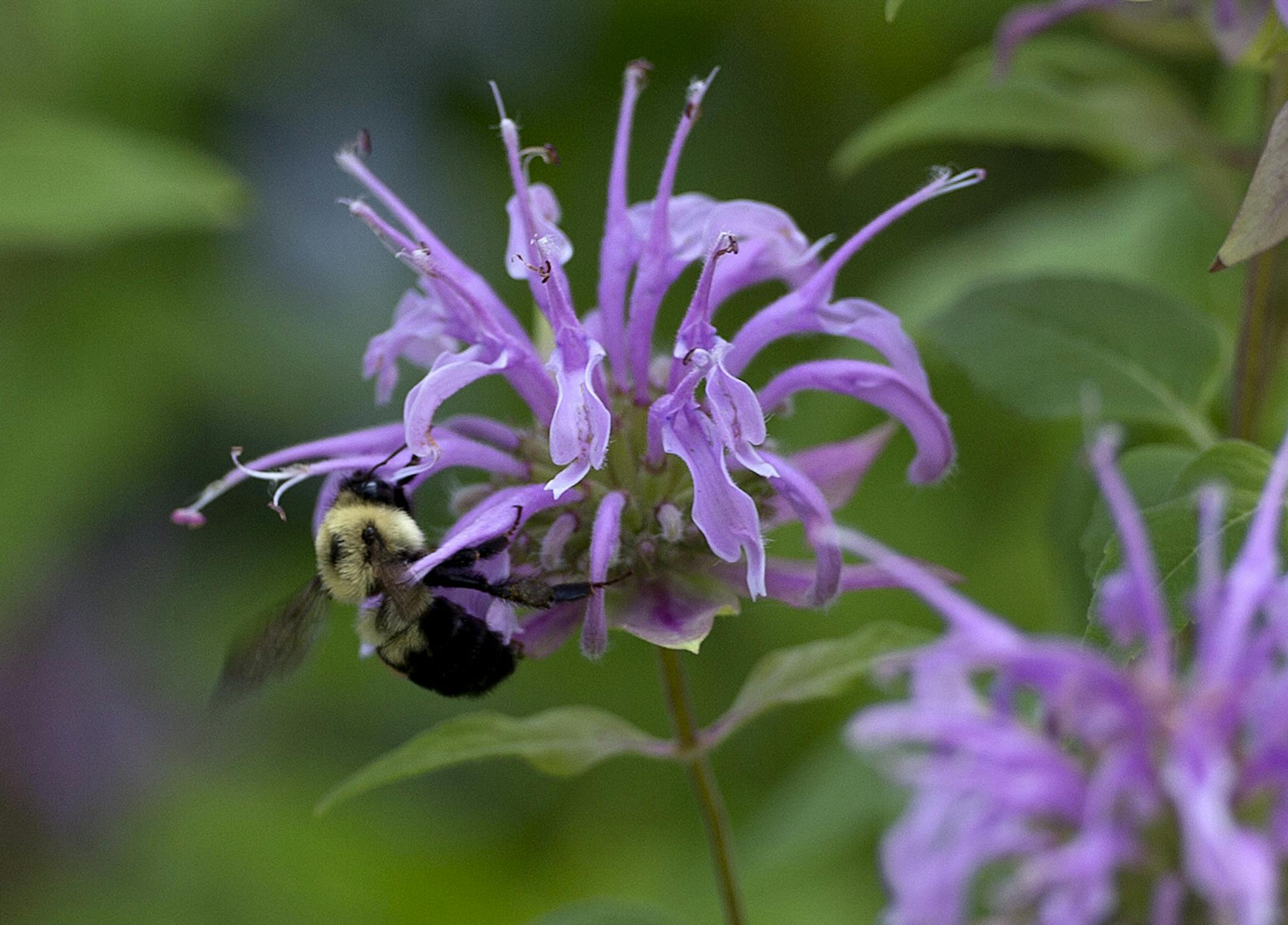
Unlike the honeybees, bumblebees don’t try Gens’ birdbaths.
Unlike the honeybees, bumblebees don’t try Gens’ birdbaths. (The Minnesota Star Tribune)
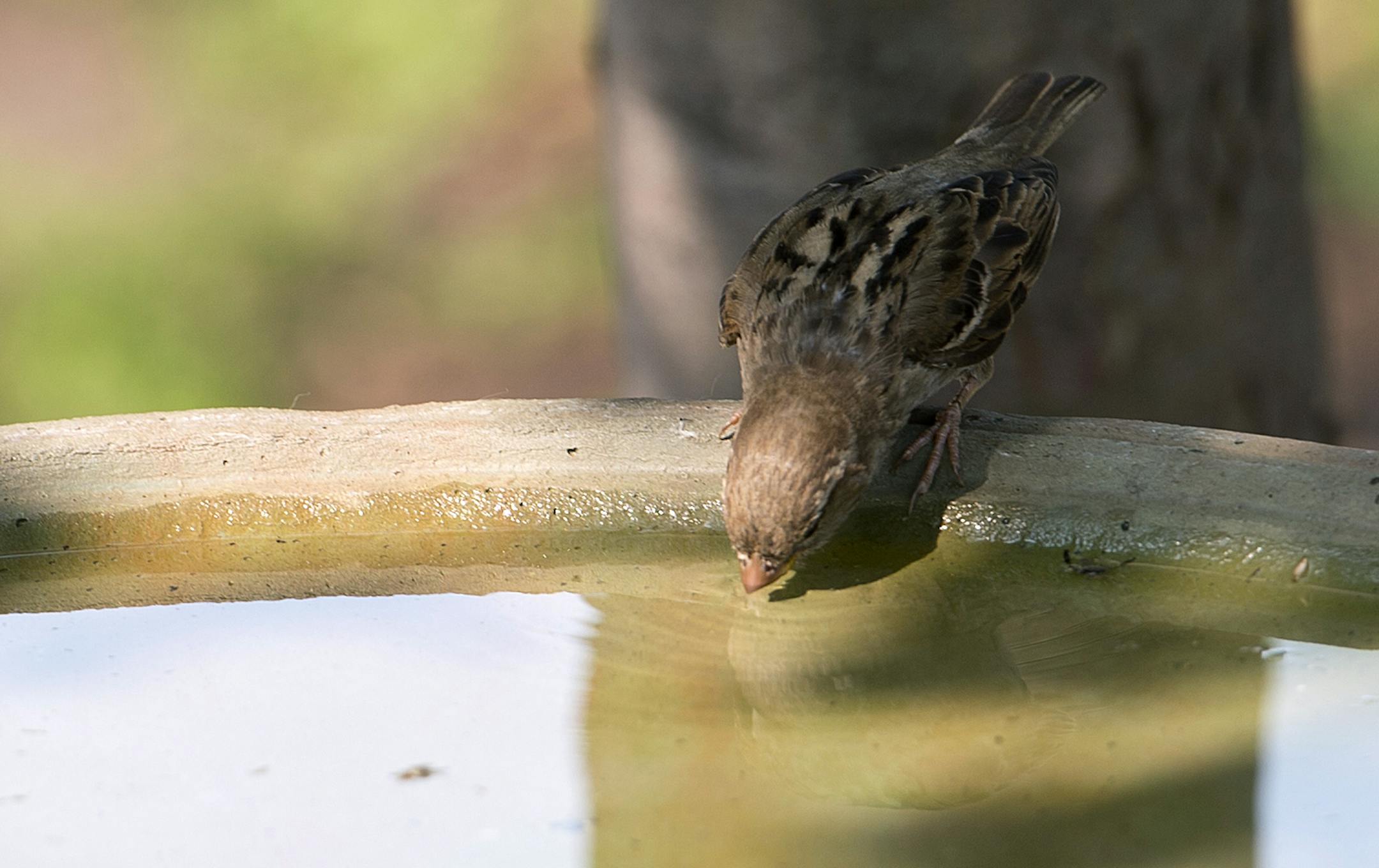
A sparrow found water in one of Mika Gens’ birdbaths, which have attracted honeybees around the Seward neighborhood.
A sparrow found water in one of Mika Gens’ birdbaths, which have attracted honeybees around the Seward neighborhood. (The Minnesota Star Tribune)
about the writer

about the writer

Liz Sawyer

Reporter

Liz Sawyer  covers Minneapolis crime and policing at the Star Tribune. Since joining the newspaper in 2014, she has reported extensively on Minnesota law enforcement, state prisons and the youth justice system. 

See Moreicon