It's unlikely that, before this summer, many of the customers who passed through the bustling Hmongtown Marketplace in St. Paul's Frogtown knew how the neighborhood got its name.
After all, it's been decades since the marshes that once attracted the little green amphibians were filled in and since pollution from a landfill and other sites spoiled the habitat in which frogs thrive.
But that's changing, thanks to Chee Yang and FrogLab, the environmental education program she helped lead all summer long. Not only did Hmong adults and children alike learn about the frogs that once filled Frogtown, Yang said, they discovered how important frogs are to a healthy ecosystem. So important that FrogLab and its parent organization, Frogtown Green, are working to coax them back — starting by refreshing a retaining pond habitat.
"Oh, they'll come back," said Yang, an environmental science student at the University of Minnesota. "They know how to find their way back. That's the great thing about frogs."
From a stall in the sprawling marketplace filled with Asian food vendors, DVD peddlers, clothing shops and traditional Hmong apothecaries, Yang and FrogLab spent the summer spreading the word about frogs. They offered games and activities, educational materials and tips to recreate frog habitat, including how to make a backyard pond featuring native plants.
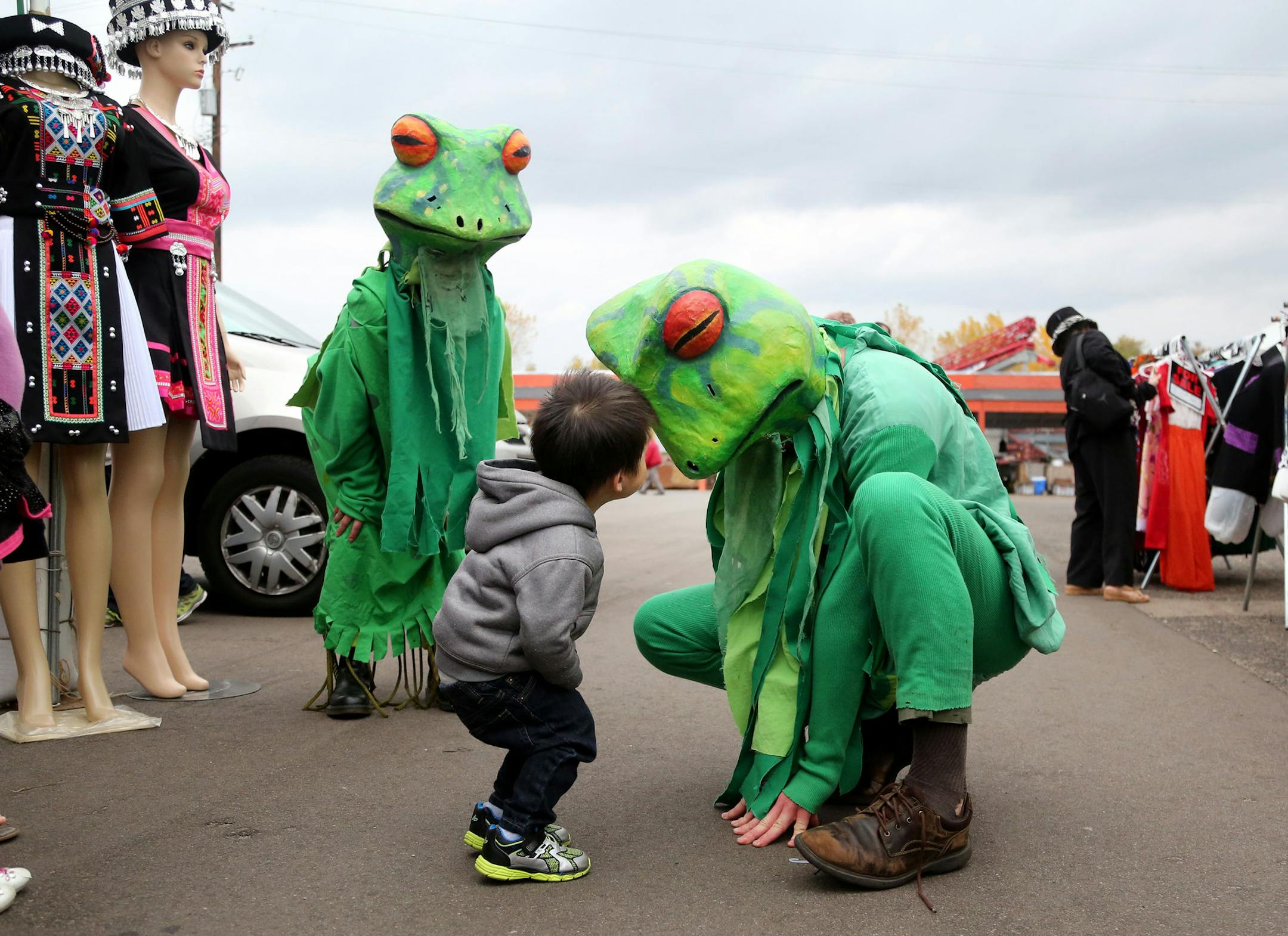
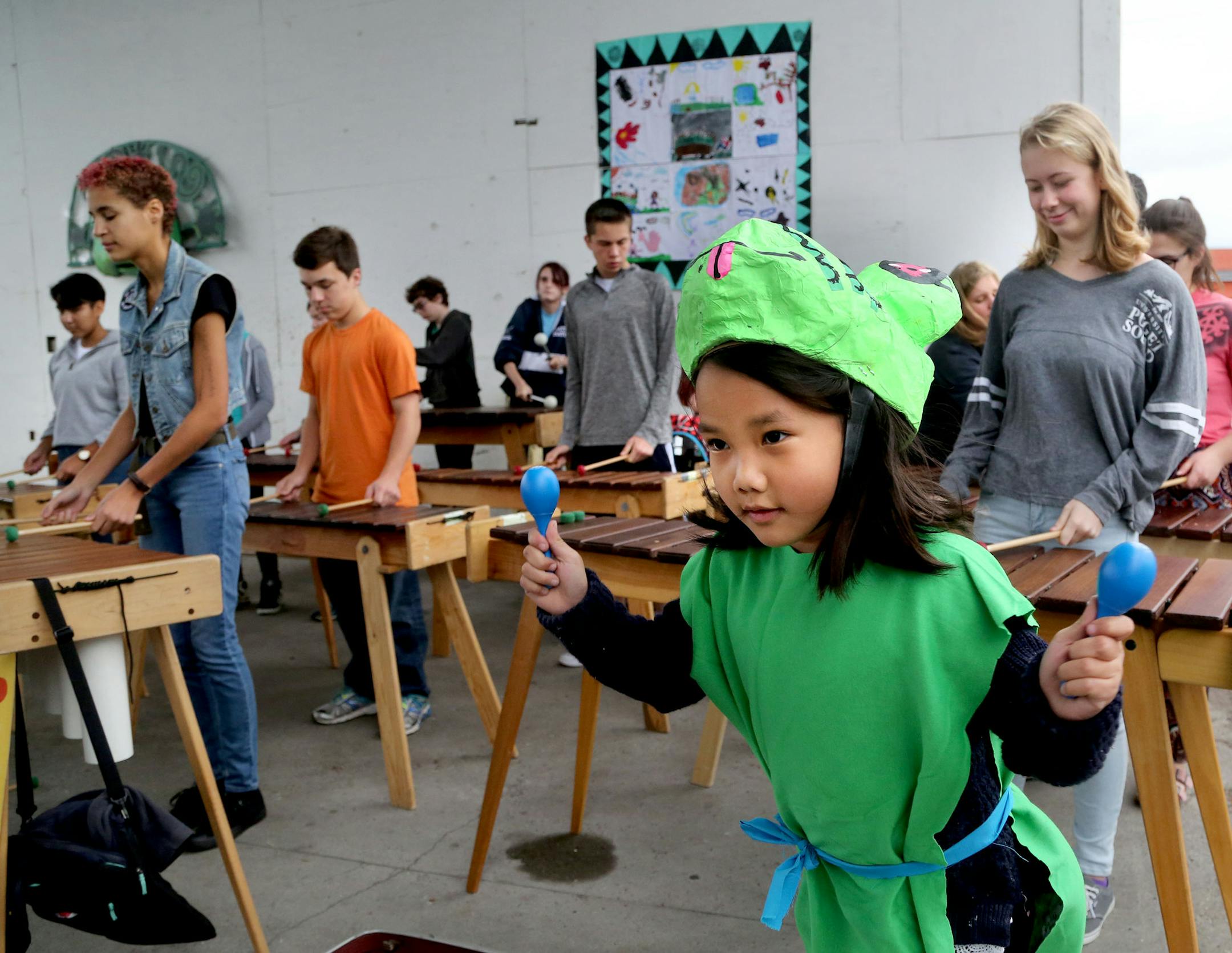
At first, she said, many shoppers were too shy to stop in. That changed over the 10 weekends she was there from May through September. On Saturday, Hmongtown Marketplace, Frogtown Green and the Capitol Region Watershed District celebrated the program with marimba music and puppets and masks of dragonflies, swans and, yes, frogs. Yang guesses that she worked with 500 area residents over the summer.
Still, she admitted that it sometimes seems few people in the Hmong community talk about the environment, even though most elders know the value of good soil and good water for farming.
"It's probably because there's so much stuff in the world. So many big issues," Yang said. "But water is important. And frogs? They tell us if the water is good, if there are fish. These are the resources that a human being needs to survive."