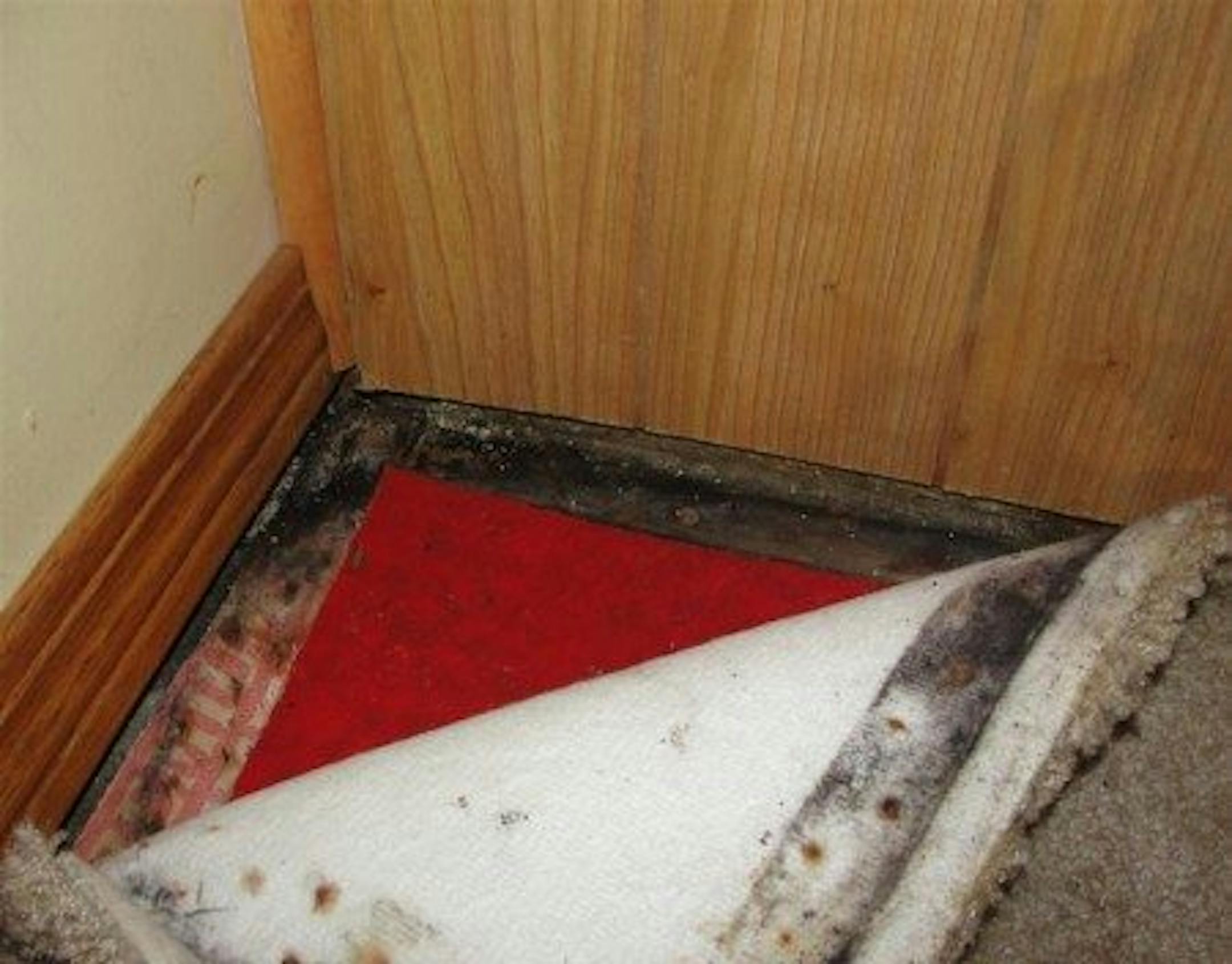
Negotiations after the inspection, part 3: What items are reasonable to negotiate?

I'm not saying these items should be negotiated, but no home buyer would be considered unreasonable for renegotiating based on these types of issues.

December 29, 2015 at 11:32AM

In this three-part series on negotiations after the home inspection, I discussed the options that a home buyer has after getting a home inspection in part 1, and gave a list of what I consider to be unreasonable negotiation items in part 2. For this post, I'm going to cover some common home inspection findings that are frequently negotiated. I'm not saying these items should be negotiated, but these are common items that get negotiated, and I don't think any of these things are unreasonable.

As I said last week, I'm not a real estate agent or attorney, so this is not real estate advice or legal advice. These are my opinions. I don't share my opinions on negotiations during home inspections, and I do not share them in my inspection reports. This is completely outside the realm of a home inspection, and honestly, it's outside of my area of expertise. However, I (like most people) certainly have an opinion about this stuff. If you don't agree with my opinions, comments are always welcome. What all of these items have in common is that they're usually expensive, not obvious, or take special knowledge to recognize.

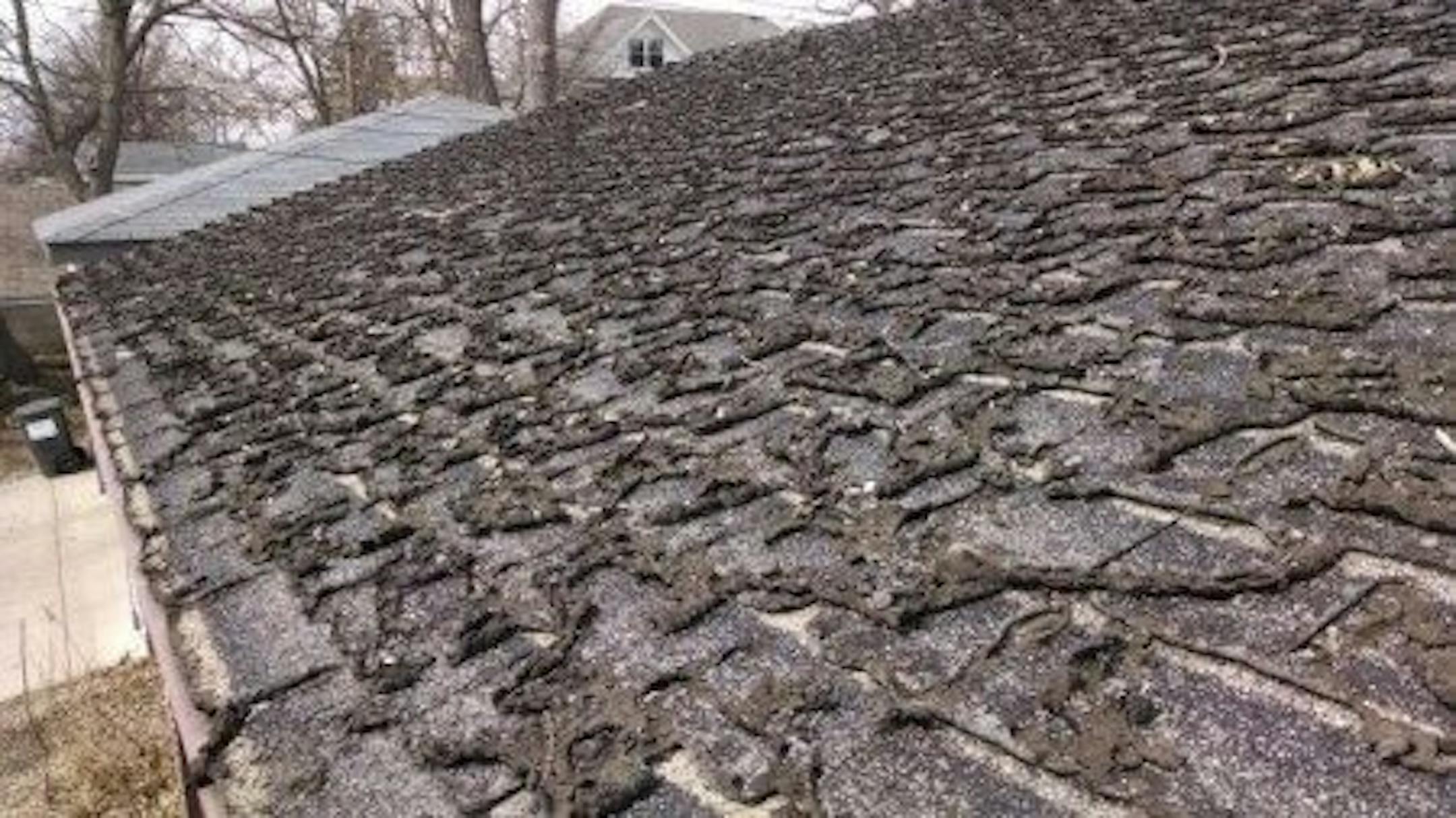
Big roof problems
(The Minnesota Star Tribune)
  • Leaking roofs
    • Defective shingles that could allow for leaks
      • Improper roof installations that could allow for / have allowed for shingles to come loose
        • Roof coverings at the end of their life

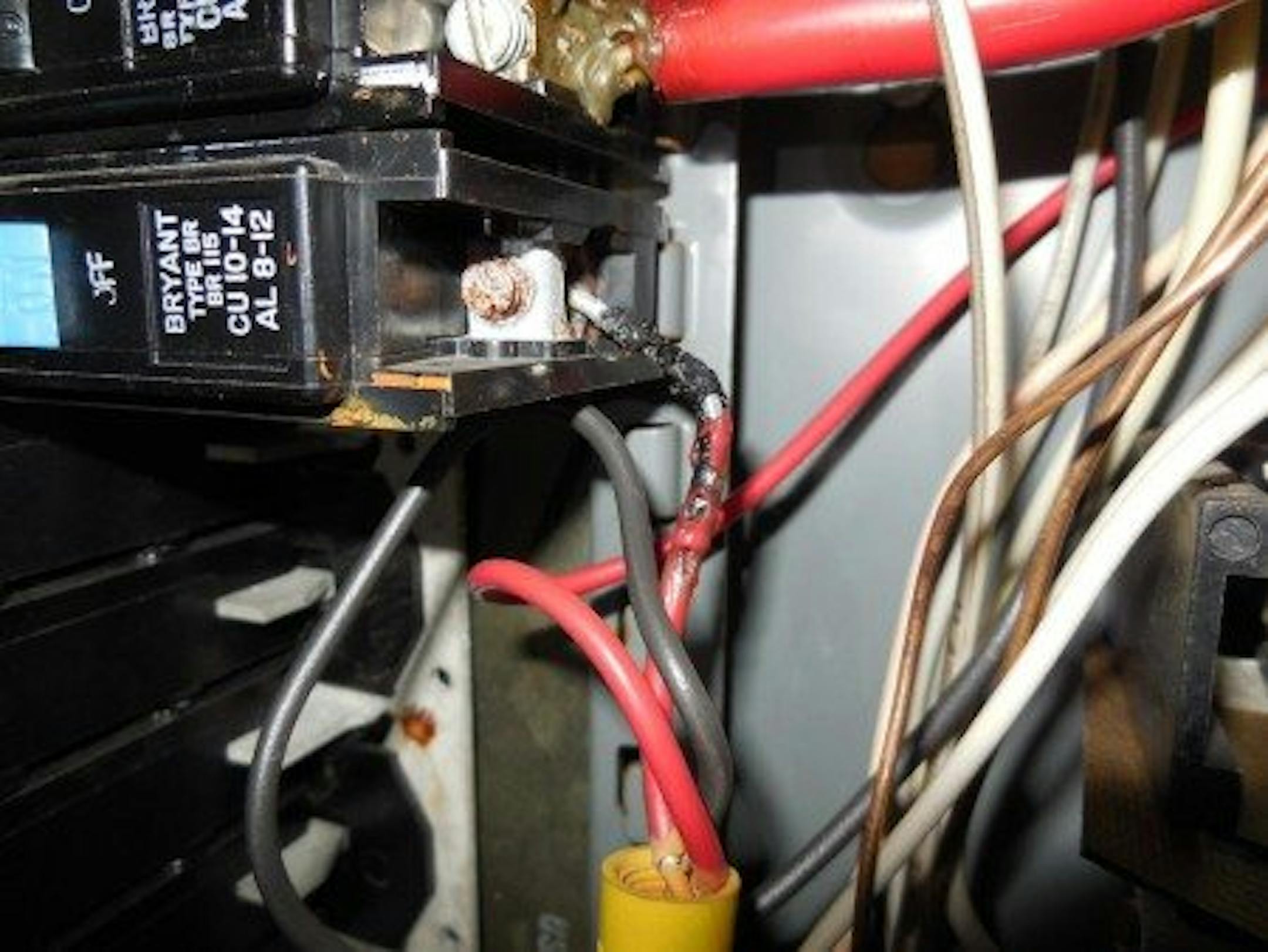
          Big electrical items
          (The Minnesota Star Tribune)
          • FPE Stab-Lok panels
            • Overloaded electrical panels
              • Aluminum branch circuit wiring
                • Unsafe knob & tube wiring
                  • Pervasive electrical hazards (open spliced wiring, unprotected wires, improperly wired outets, etc.)
                    • Immediate shock / electrocution hazards, such as exposed, live wires protruding from walls
                      • New, improper electrical wiring where the extent of the defects is unknown

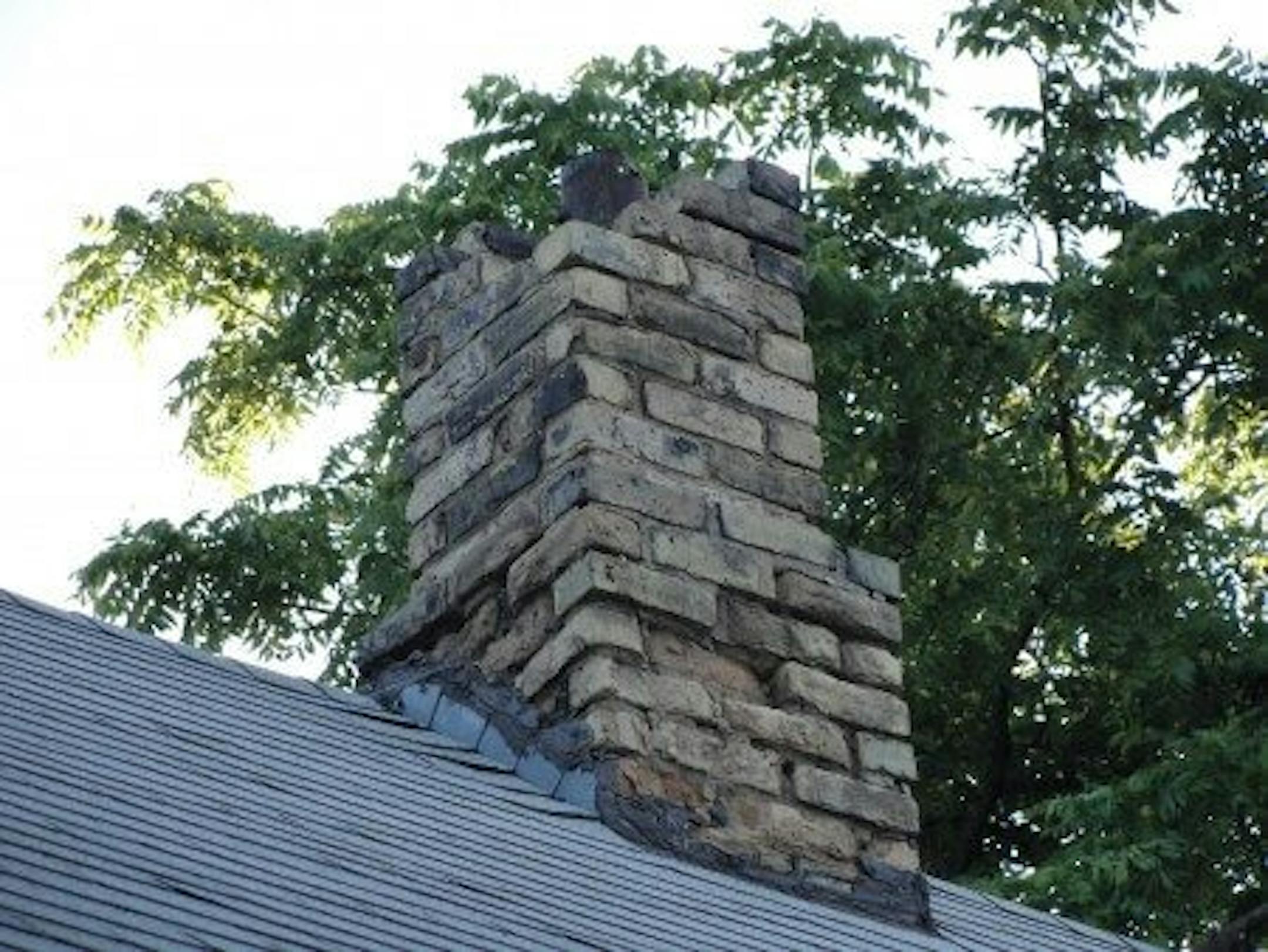
                        Big exterior problems
                        (The Minnesota Star Tribune)
                        • Masonry chimneys in need of more than minor repairs
                          • Windows in need of replacement
                            • Rotting / water intrusion at the walls
                              • Siding in need of major repair / replacement
                                • Unsafe decks

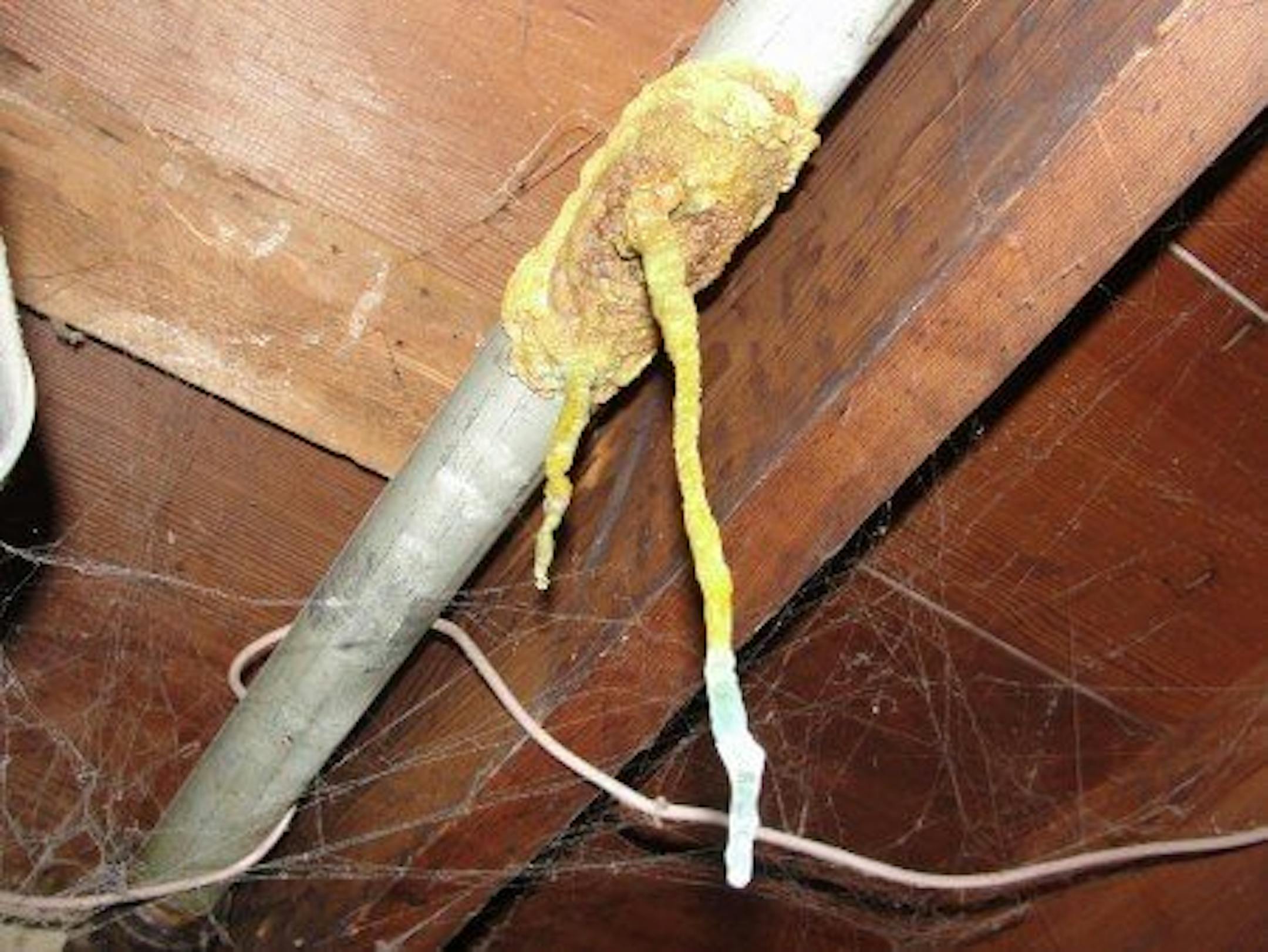
                                  Big or immediate plumbing items
                                  (The Minnesota Star Tribune)
                                  • Galvanized water distribution pipes that do not supply adequate water flow
                                    • A water supply pipe from the street to the house that may need replacement
                                      • Galvanized steel drains in need of replacement
                                        • Active leaks - water piping, gas piping, drains, vents, etc.
                                          • Clogged drains

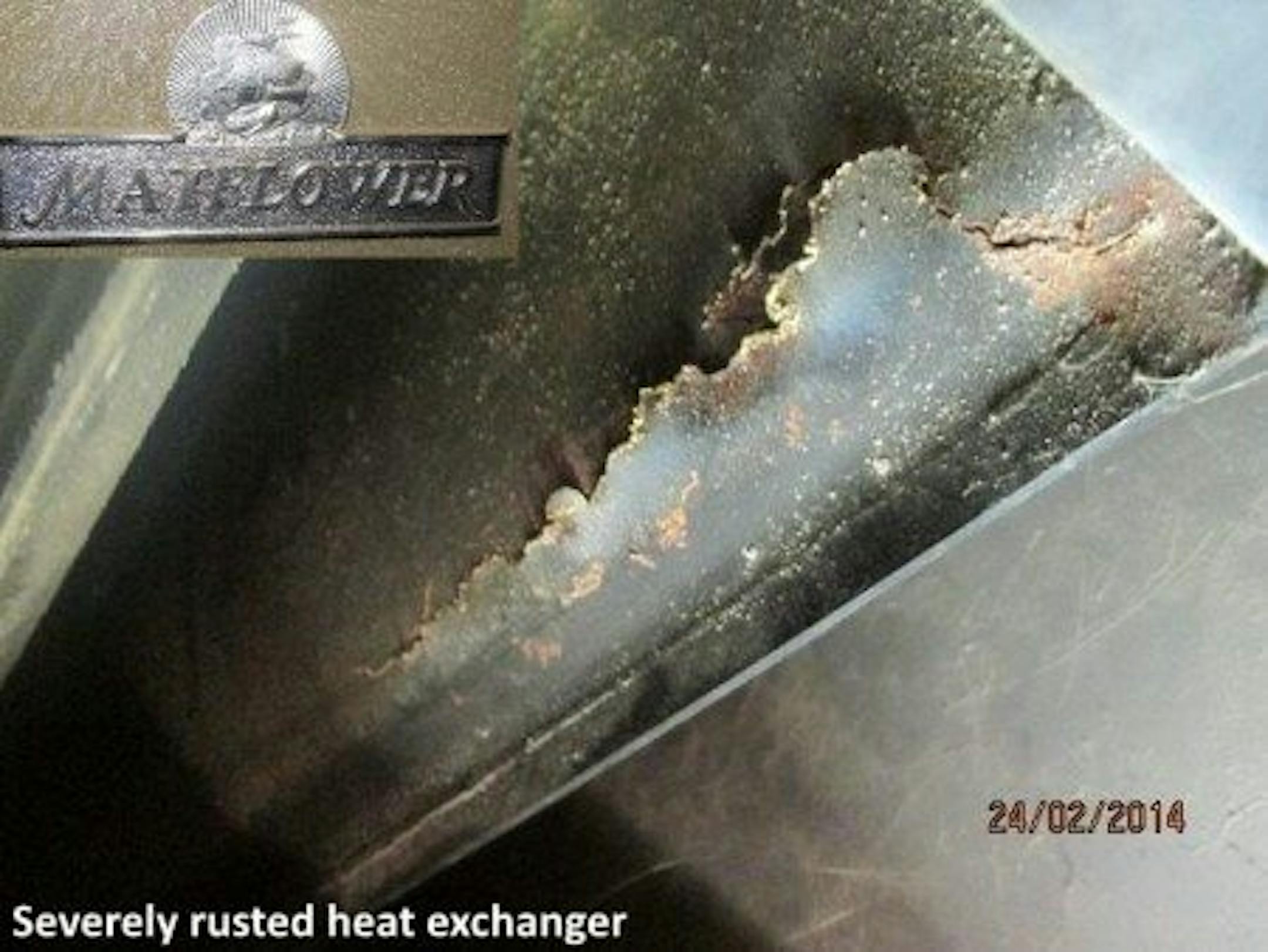
                                            Big or immediate HVAC items
                                            (The Minnesota Star Tribune)

                                            Other things that freak people out

                                            (The Minnesota Star Tribune)
                                            • Wet basement issues
                                              • Moisture or frost in the attic, and / or major ice dam issues. The fix for both of these is to address attic air leaks, insulation, and sometimes attic ventilation. While adding insulation is generally considered an upgrade, if insufficient insulation and attic air leaks are leading to water problems, I'd consider this to be a repair, not an upgrade.
                                                • Foundation problems
                                                  • Major structural deficiencies
                                                    • Environmental items that are excluded from home inspection standards, such as:
                                                      • Buried fuel oil tanks
                                                        • High radon
                                                          • Loose / friable asbestos

                                                            There are many other possible items, but this list makes up most of the 'big' items that get identified during home inspections. Did I miss any? Let me know.

                                                            Author: Reuben Saltzman, Structure Tech Home Inspections

                                                            (The Minnesota Star Tribune)
                                                            (The Minnesota Star Tribune)
                                                            (The Minnesota Star Tribune)
                                                            (The Minnesota Star Tribune)
                                                            (The Minnesota Star Tribune)
                                                            (The Minnesota Star Tribune)
                                                            about the writer

                                                            about the writer

                                                            Reuben Saltzman

                                                            More from No Section

                                                            See More
                                                            FILE -- A rent deposit slot at an apartment complex in Tucker, Ga., on July 21, 2020. As an eviction crisis has seemed increasingly likely this summer, everyone in the housing market has made the same plea to Washington: Send money — lots of it — that would keep renters in their homes and landlords afloat. (Melissa Golden/The New York Times) ORG XMIT: XNYT58
                                                            Melissa Golden/The New York Times

                                                            It’s too soon to tell how much the immigration crackdown is to blame.