

Help for America's middle class is long overdue. Economic disparities have been widening for decades now, with gains for upper-income households vastly outstripping those for middle- and lower-class families.
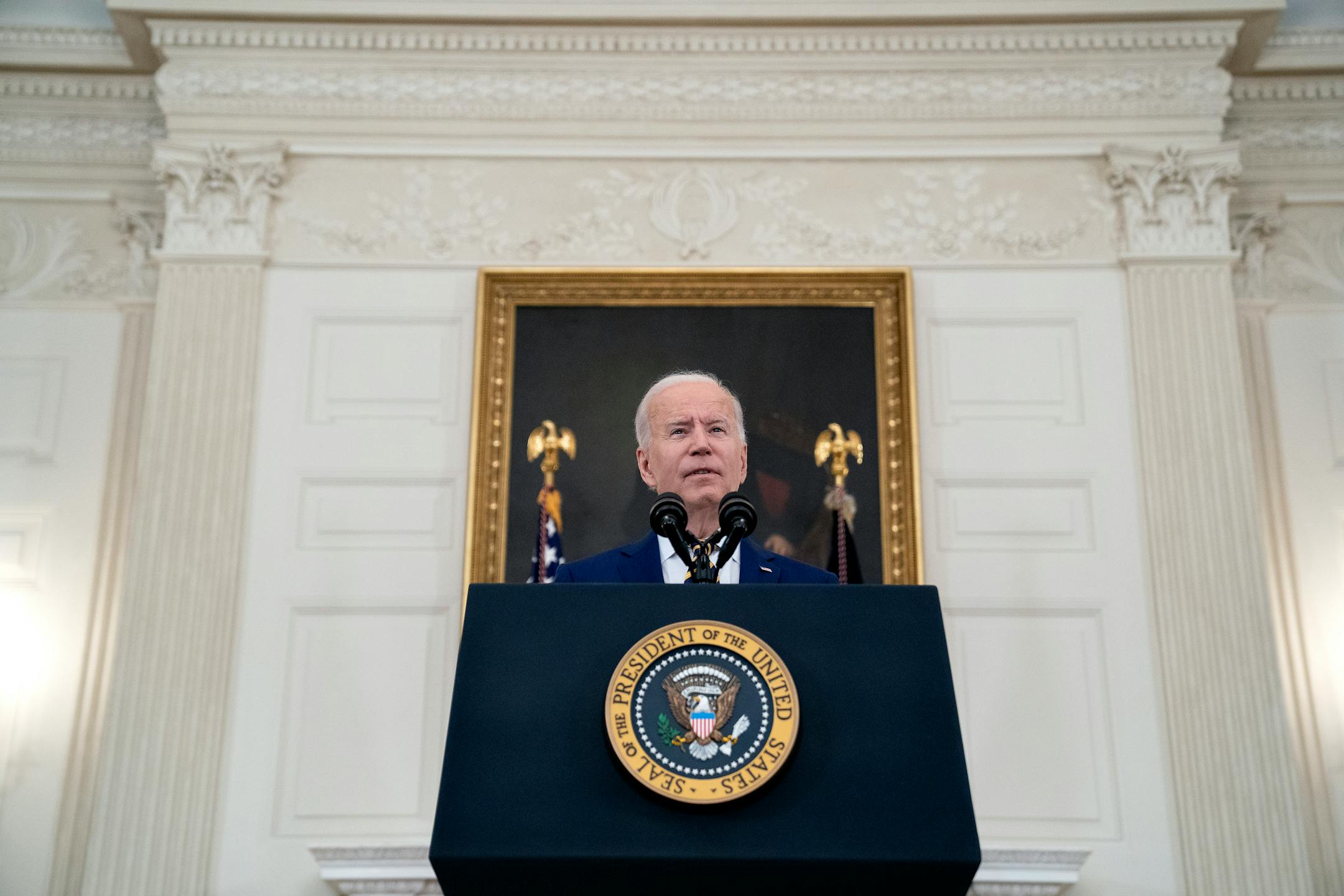
The Build Back Better proposal that is the centerpiece of President Joe Biden's agenda throws a needed lifeline to those households while also delivering long-term gains for the economy as a whole. It does so by tackling what has plagued families for years: rapidly escalating costs for child care, elder care, health care and housing.
"This is about restoring and growing the middle class," Sen. Amy Klobuchar, D-Minn., told an editorial writer. Biden's approach would create universal public preschool; cap child care costs at 7% of a family's income; improve Medicaid coverage for seniors and the disabled, making it easier for them to stay in their homes; make senior care and health care more affordable; and foster energy independence through programs aimed at sustainable energy using American labor and parts.
Middle-class families in particular have had a tough slog the last 20 years — two punishing recessions, stagnant wages and an economic system seemingly intent on rewarding those at the top while life got harder for everyone else.
Critics will tell you this bill is about bringing socialism to America. It's not. Far from it. The proposals here reward self-sufficiency and put more opportunity within the grasp of average Americans.
"We need this if only from the standpoint of international competitiveness," Rep. Dean Phillips, D-Minn., told an editorial writer. "We have fallen behind in a number of categories that are hurting our ability to compete." Minnesota, he noted, has the third-highest child care costs in the nation. "I'm a Democrat who believes in rewarding work," he said. "Make it so parents can go to work."
No bill is perfect, Phillips said. "I would just ask people to take a moment and look at what this bill does instead of just listening to the talking heads on TV. This is transformational." Among other things, the bill in its current form would cap insulin prices at $35 a month. It also includes a provision Klobuchar has been leading to allow Medicare to negotiate prescription drug prices for 10 of the more commonly prescribed medications.
It's worth noting that when former President Donald Trump proposed a $1.9 trillion tax cut that benefited primarily the wealthiest Americans and corporations, Republicans flocked to vote for it even though it was a straight-up expansion of the national deficit.


