

When our daylight lengthens to about 11 hours and 40 minutes and the normal high temperature reaches into the upper 30s, many of us outdoor observers listen and look for the first migrating birds of four species: Canada geese, American robins, killdeers and male red-winged blackbirds.
After observing these four, I personally know that spring has arrived and that its warmth and new life will come. Last year, the spring show unfolded this way in the metro area:
March 9: First flocks of migrating Canada geese returned.
March 12: Migrating American robins first arrived; they were flighty and noisy.
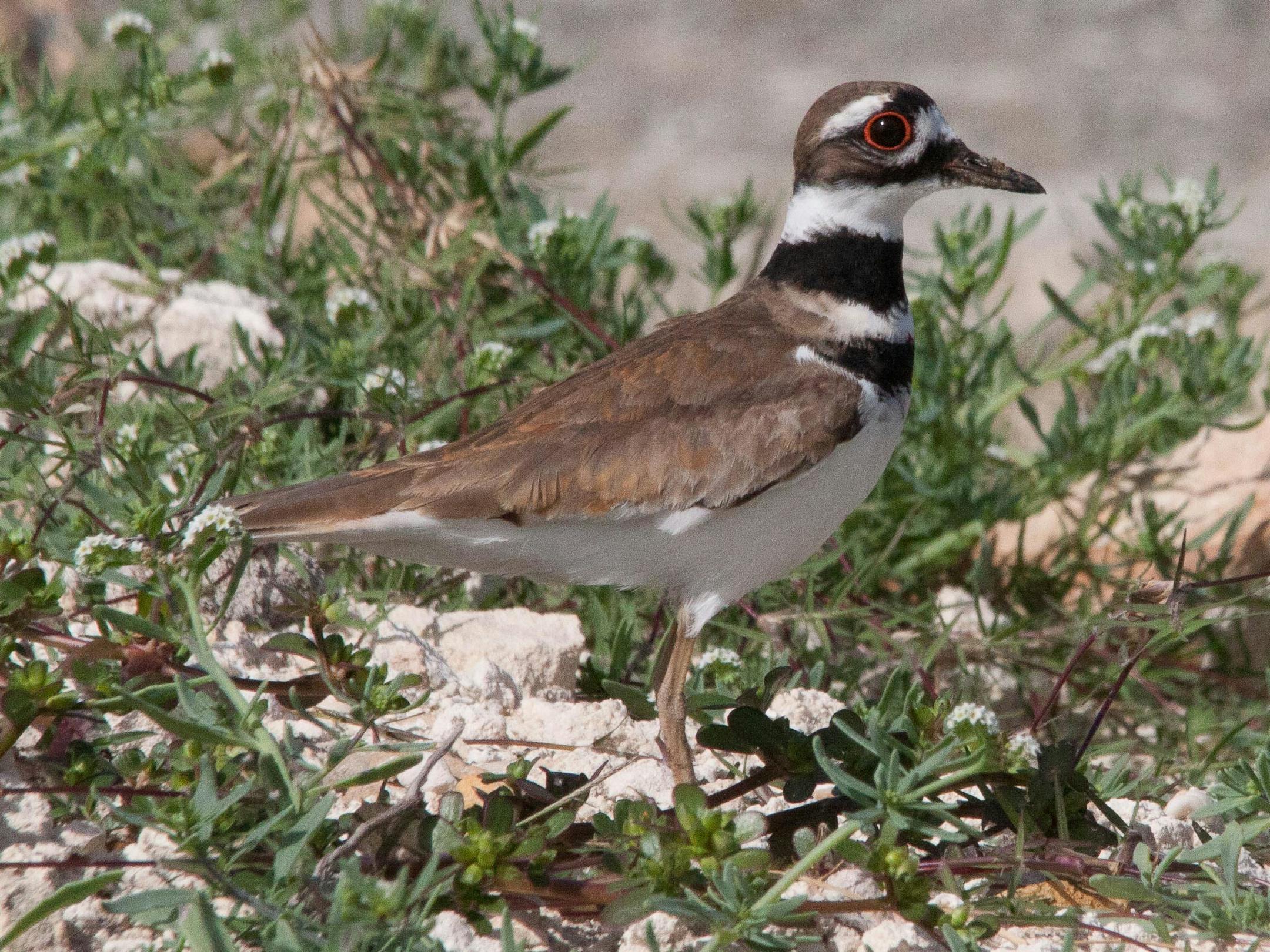
March 13: First killdeers.
March 15: Male red-winged blackbirds first returned to wetlands and began singing their cheery trilled "o-ka-leeee" songs.
The killdeer is probably the most difficult to observe because the first ones are usually single birds high overhead. But they always cry "killdeer, killdeer, killdeer." The killdeer is easy to recognize by its distinct color pattern: The olive-brown on the upper body and pure white on the lower, with two black bands across the breast. They are robin-sized, with long legs that are used extensively for running. When running, the bird holds its body rigid, its legs a blur of motion. When standing, it often teeters or bobs. Although the killdeer is a shorebird, it is often found in plowed fields far from water, pastures, golf courses and other grassy areas.
Jim Gilbert's Nature Notes are heard on WCCO Radio at 7:15 a.m. Sundays. He taught and worked as a naturalist for 50 years.


