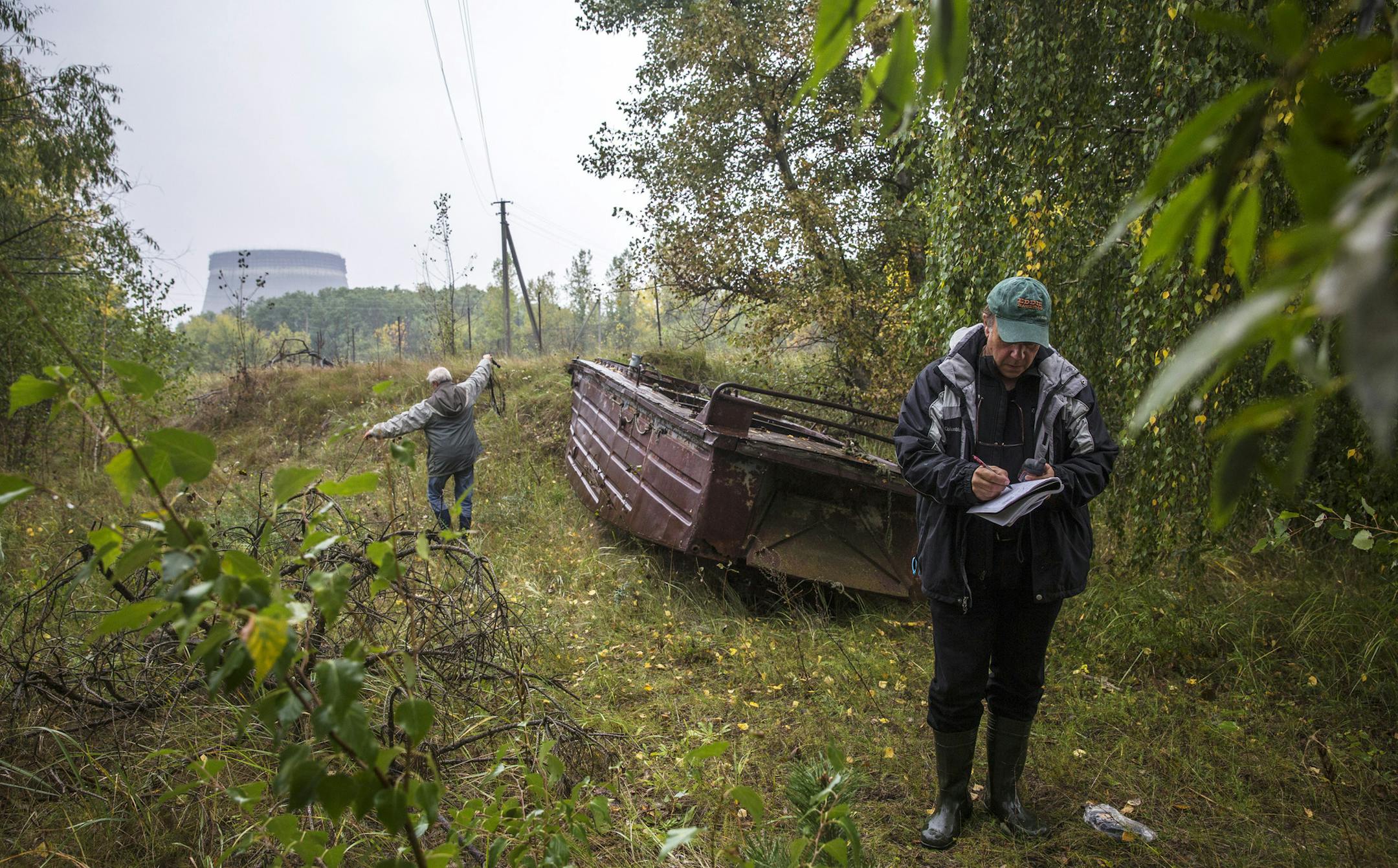
NOVOSHEPELYCHI, Ukraine – The clicking sound from Timothy Mousseau's radiation detector slowly increased as he walked through the forest, a few miles west of the Chernobyl nuclear power plant.
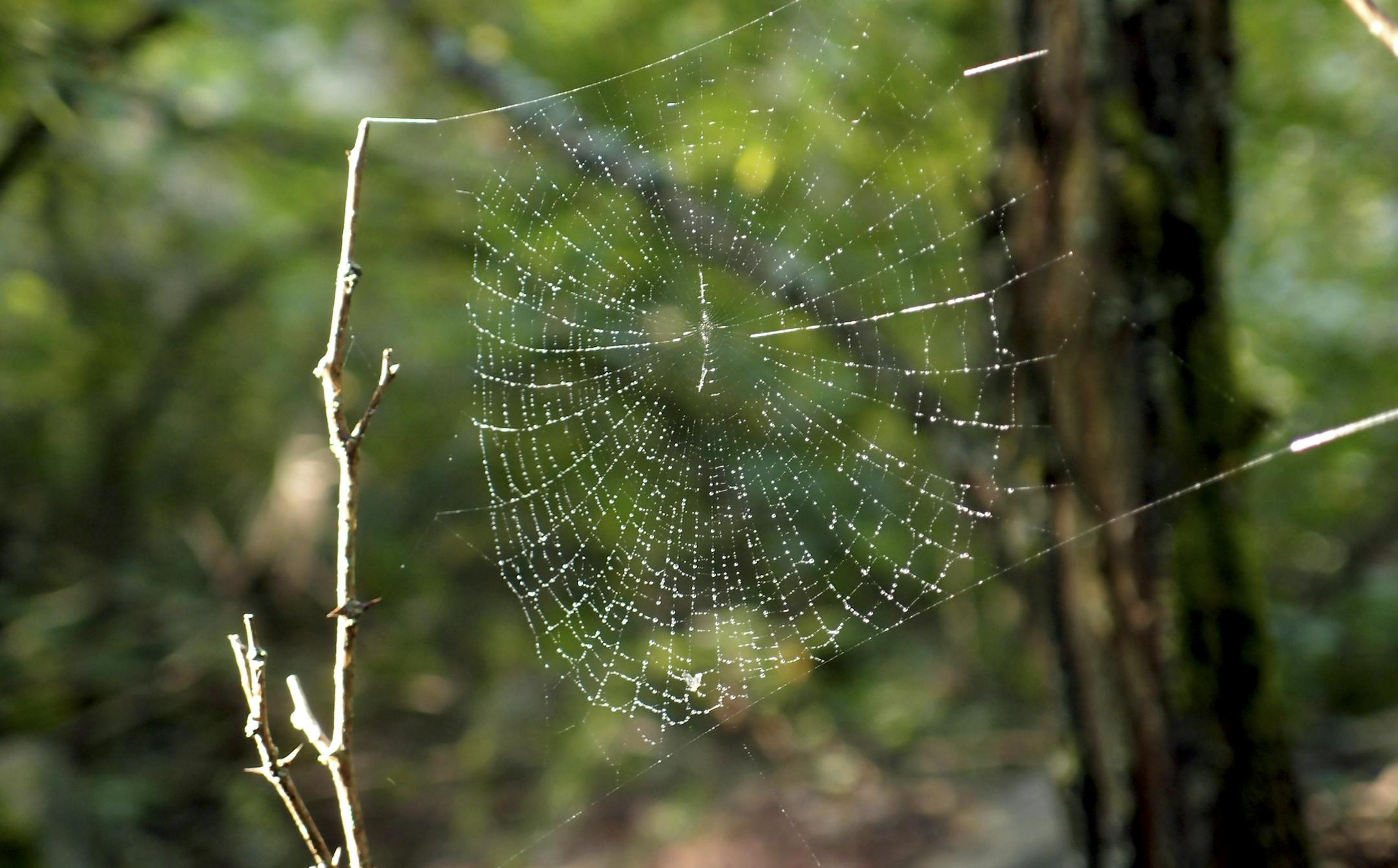
As he stopped to examine a spider web on a tree branch, the display on the device showed 25 microsieverts an hour. That is typical, Mousseau said, for this area not far from Novoshepelychi, one of hundreds of villages that were abandoned after radioactive fallout from the 1986 reactor explosion at the plant rendered a large part of this region uninhabitable. The levels of radioactivity here are far below those still found in parts of the deteriorating shelter that covers the destroyed reactor.
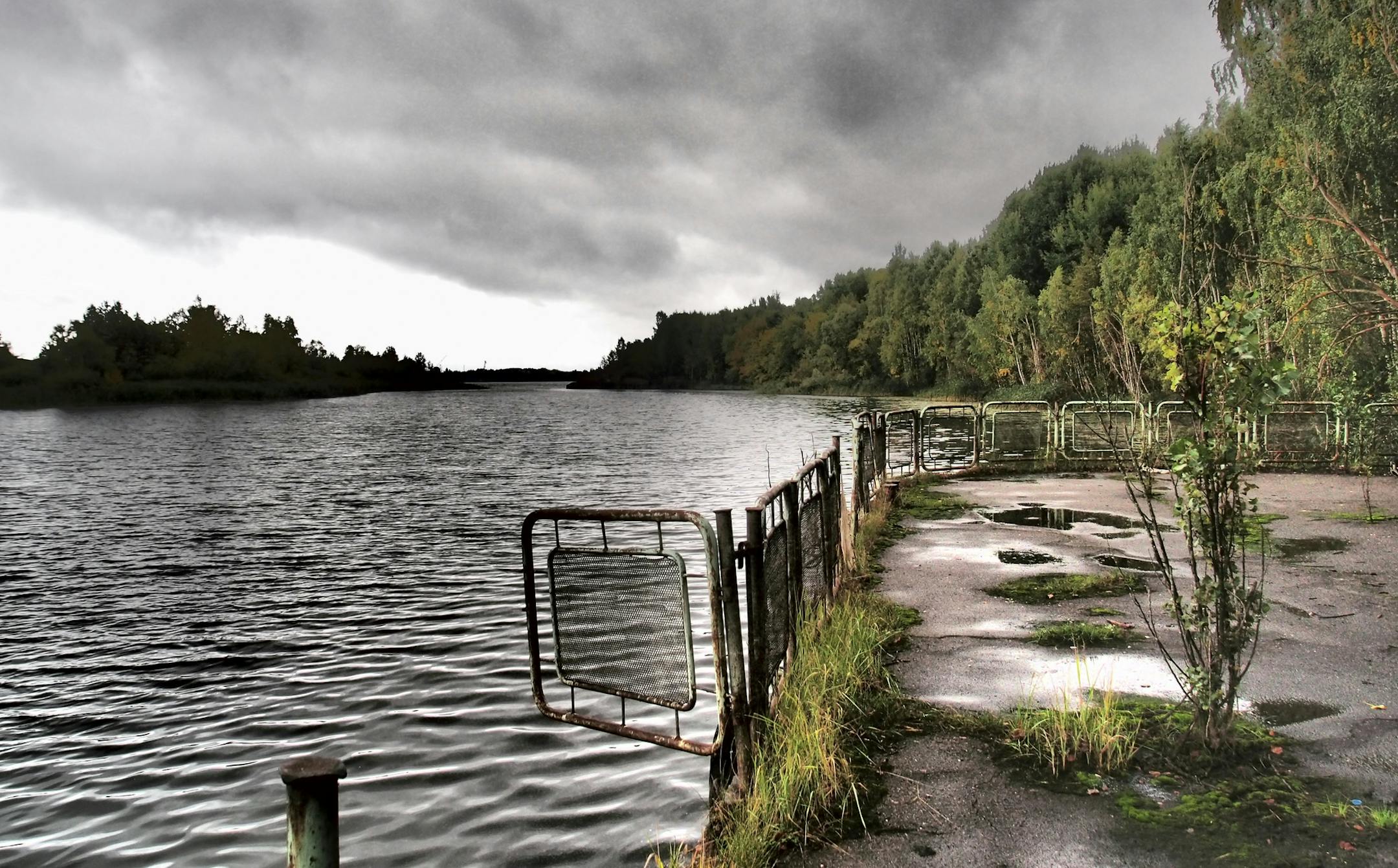
But the levels in this lowland glade, where acacias and Scotch pines are interspersed with the occasional tumbledown barn, are higher than normal. In 10 days here, a person would be exposed to as much background radiation as a typical resident of the United States receives from all sources in a year. That makes it off-limits except for short forays, but a good place to study the long-term effects of radiation on organisms.
"This level of chronic exposure is above what most species will tolerate without showing some signs, either in terms of how long they live or in the number of tumors they have, or genetic mutations and cataracts," Mousseau said. "It's a perfect laboratory setting for us."
Mousseau, a biologist at the University of South Carolina, has been coming to the contaminated area around Chernobyl — known as the exclusion zone — since 1999. The list of creatures he has studied is long: chiffchaffs, blackcaps, barn swallows and other birds; insects, including bumblebees, butterflies and cicadas; spiders and bats; and mice, voles and other small rodents. After the nuclear meltdowns at Fukushima, Japan, three years ago he has conducted similar research there, too. In dozens of papers Mousseau, his longtime collaborator, Anders Pape Moller of the National Center for Scientific Research in France, and colleagues have reported evidence of radiation's toll: higher frequencies of tumors and physical abnormalities like deformed beaks among birds compared with those from uncontaminated areas, for example, and a decline in the populations of insects and spiders with increasing radiation intensity.
But their most recent findings, published last month, showed something new. Some bird species, they reported in the journal Functional Ecology, appear to have adapted to the radioactive environment by producing higher levels of protective antioxidants, with correspondingly less genetic damage. For these birds, Mousseau said, chronic exposure to radiation appears to be a kind of "unnatural selection" driving evolutionary change.
Ionizing radiation, like that produced by cesium, strontium and other radioactive isotopes, affects living tissue in several ways, among them by breaking strands of DNA. A high enough dose — many thousands of times higher than the levels in the forest — can cause sickness or death. That is what happened to several dozen technicians and firefighters at Chernobyl when the reactor exploded on April 26, 1986. They died within weeks.
Relatively low doses of radiation, however, even over a long time, may have little or no effect. But lower doses can cause genetic mutations, leading to cancers and other physical problems that may show up over longer periods and affect breeding and longevity. Studying the effects on animals and insects can lead to a better understanding of the effect on people as well.