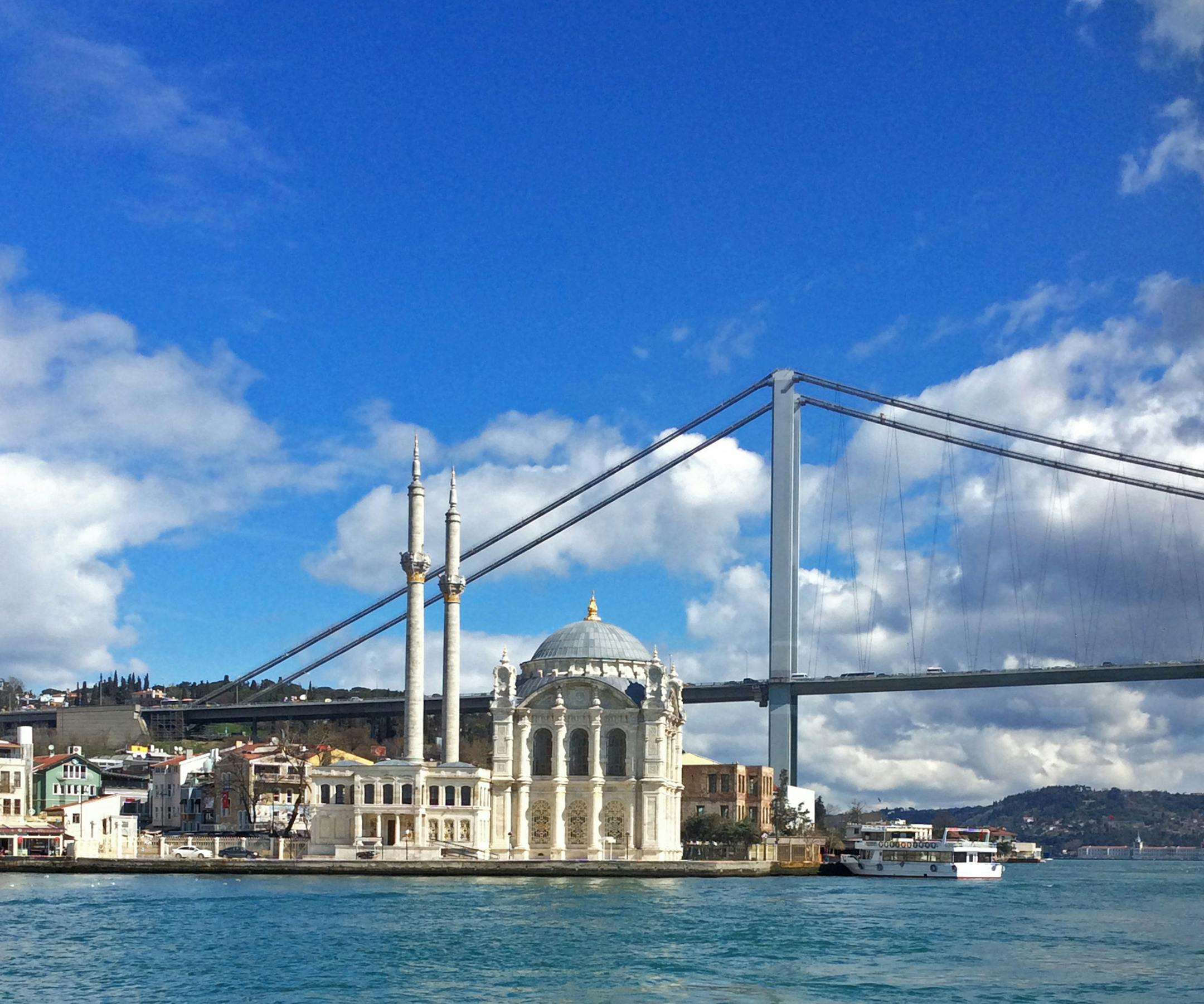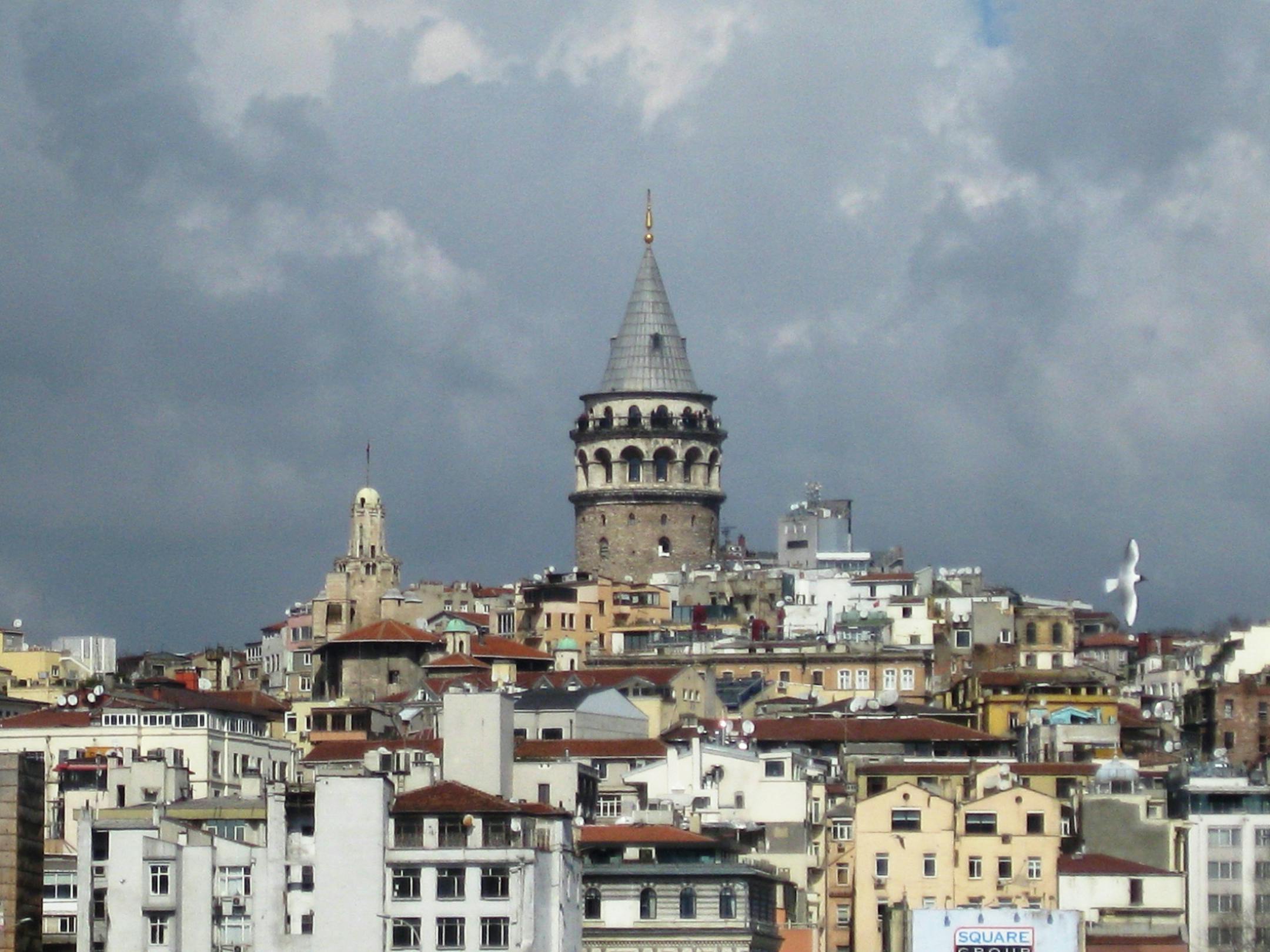
As we land over the Sea of Marmara, a gray drizzle bathes the view of huddled ships waiting their turn to cross the Bosporus, the turquoise waterway that runs through the city, separating its European and Asian sides.
The misty sea views continue along the coastal route to the historic Sultanahmet district and the restored Ottoman mansion-turned-hotel where I stay my first three nights, steps from the world-famous Blue Mosque, an impressive sight day and night.
Every day, I wake up to fishermen taking out small boats under uncertain skies, freighters blowing their horns in competition with squawking seagulls, and the piercing, soulful Muslim callto prayer heard four more times throughout the day until dusk.
This is the mystical Istanbul I had imagined as I devoured the coming-of-age memoir of the country's best-known writer, Orhan Pamuk.
The city's blue palette and the mellow weather instantly evoke the "huzun," the melancholy that Istanbuli are said to carry with them, and that Pamuk depicts in his book with disarming intimacy. It's a feeling of "deep spiritual loss" made up of layers of tradition, a history of faded imperial Ottoman glory, and Sufi mysticism.To understand that emotional backdrop to this city makes the visit all the more special.
Not that Istanbul is all internal drama. There's tremendous stamina, vivid nooks of color and unscripted fun to be found in the streets of this sprawling metropolis. Name a district and there's a party area, a shopper's paradise, a dining revelation. "Mezes" (small dishes similar to Spanish tapas), kebabs and fresh fish are only a small part of the multiethnic cuisine of a city that served as the capital of the Ottoman empire for almost 500 years.
Turkish hospitality
On my first night, the front desk clerk at Azade Hotel recommends that I dine nearby at a place called Shadow. When I survey the menu at the cozy abode on a quaint cobblestone street, tables covered in red tapestry and hookah pipes at the ready, the charming host assures me that his Anatolian cuisine is so good that if I don't like it, I won't have to pay.
When he confirms that I'm alone, he demonstrates the famous Turkish hospitality I'll experience again and again. "Madam," he says with a regal, commanding accent and loud enough for others to hear, "you cannot dine alone when there is a fine gentleman over there desirous of your company."