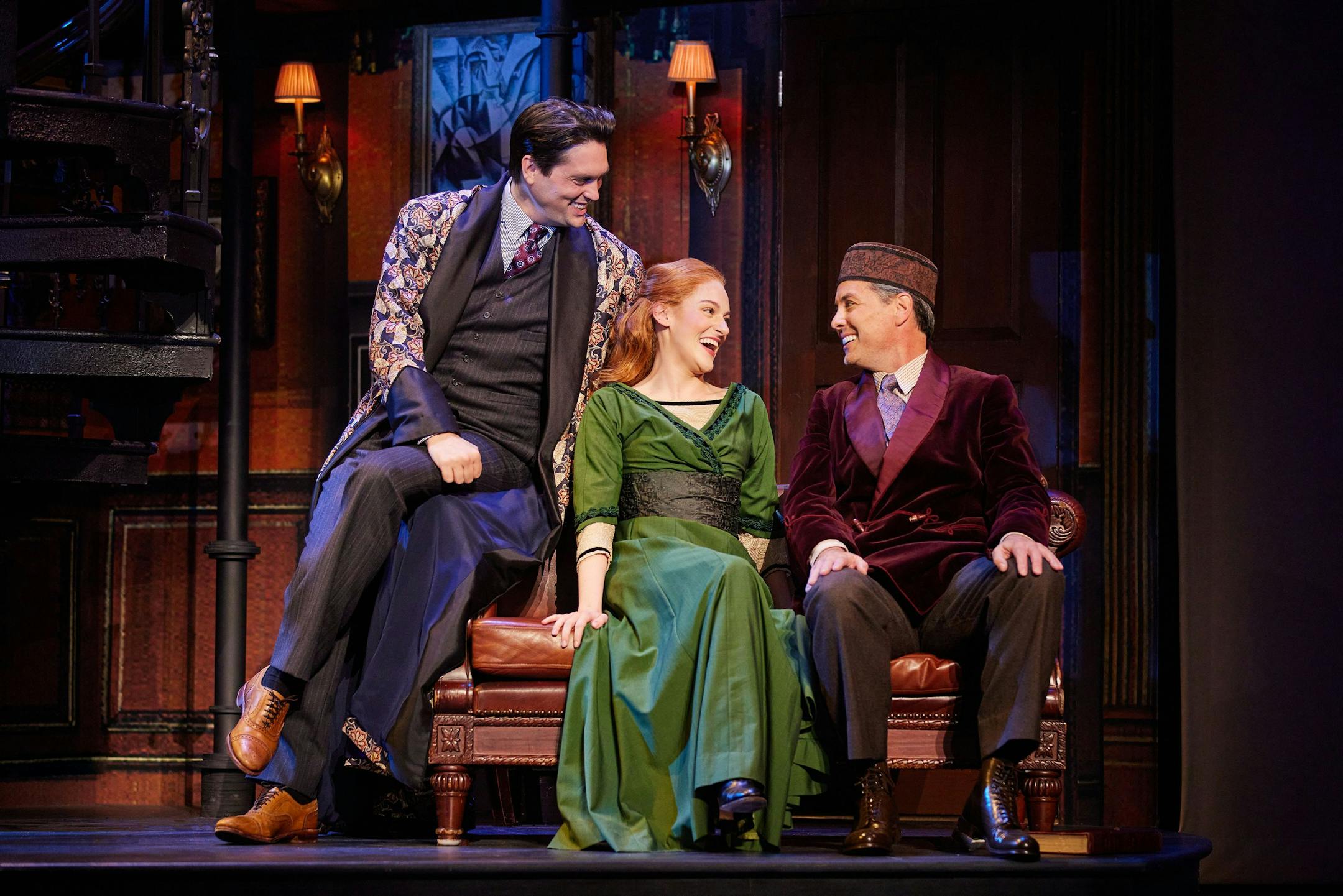
"Eliza, where the devil are my slippers?"
What would you do if offered the opportunity of fetching footwear for a lifetime for someone who constantly belittles you?
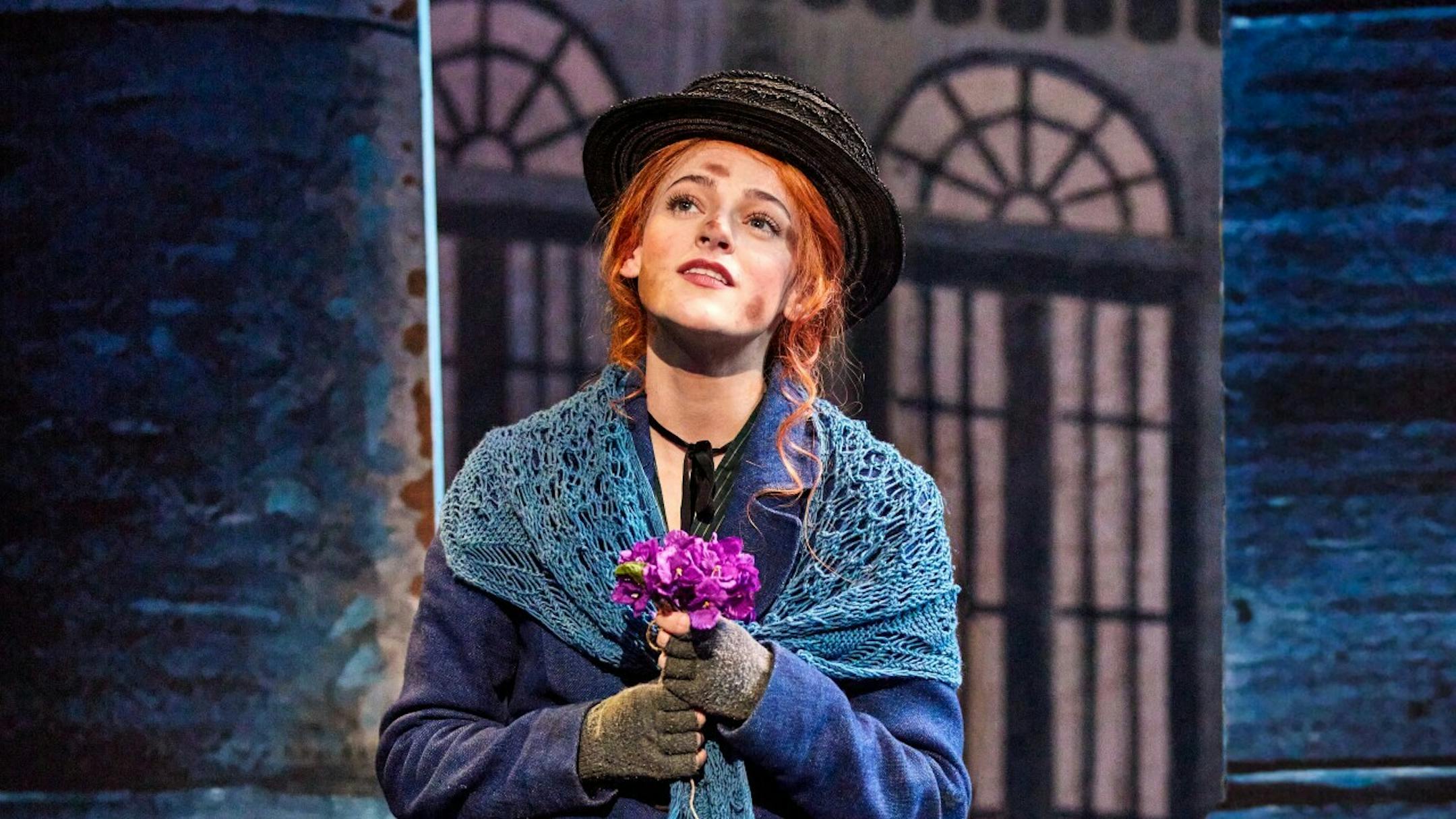
The simple and elegant answer for Eliza Doolittle in the Lincoln Center Theater tour of "My Fair Lady" is to — spoiler alert — walk away. Walk away from phonetics professor Henry Higgins and his stream of snide putdowns. Step into a future that's uncertain, but one in which you have a fighting chance because of your own growth and resilience.
That ending, which jibes with the 21st-century TikTok-influenced zeitgeist and which will be seen when the musical opens a one-week run Tuesday at St. Paul's Ordway Center, was a departure from some nine decades of romantic expectations for this story. Since 1938, when the film version of "Pygmalion," from which "My Fair Lady" descended, won playwright George Bernard Shaw a best screenplay Oscar, audiences have come to expect that Eliza and Henry have some sort of continuing, even romantic, relationship.
But Shaw was reportedly unhappy with the film's ambiguous ending tacked on by Hollywood.
That thread was further developed in "My Fair Lady," the beloved 1956 musical by Alan Jay Lerner and Frederick Loewe starring Julie Andrews and Rex Harrison, which, in turn, led to the blockbuster 1964 film headlined by Harrison and Audrey Hepburn.
But in his 2018 revival, director Bartlett Sher gets Eliza to reflect our post MeToo spirit by going all the way back to Shaw's original 1913 play, which premiered when the world was on the cusp of war and liberation movements, including the suffragettes' struggle for voting rights, were gathering steam.
"You have to think about what Shaw was trying to do with Eliza," Sher said in a phone interview from his home in New York, noting that the playwright was an ardent socialist who championed progressive ideas. "He wrote into 'Pygmalion' very passionately that it had to be about Eliza's freedom and choice."