
Muskies, state's most spectacular fish, less plentiful

State's most spectacular fish not as plentiful anymore in 'legacy' lakes

March 8, 2017 at 5:34AM
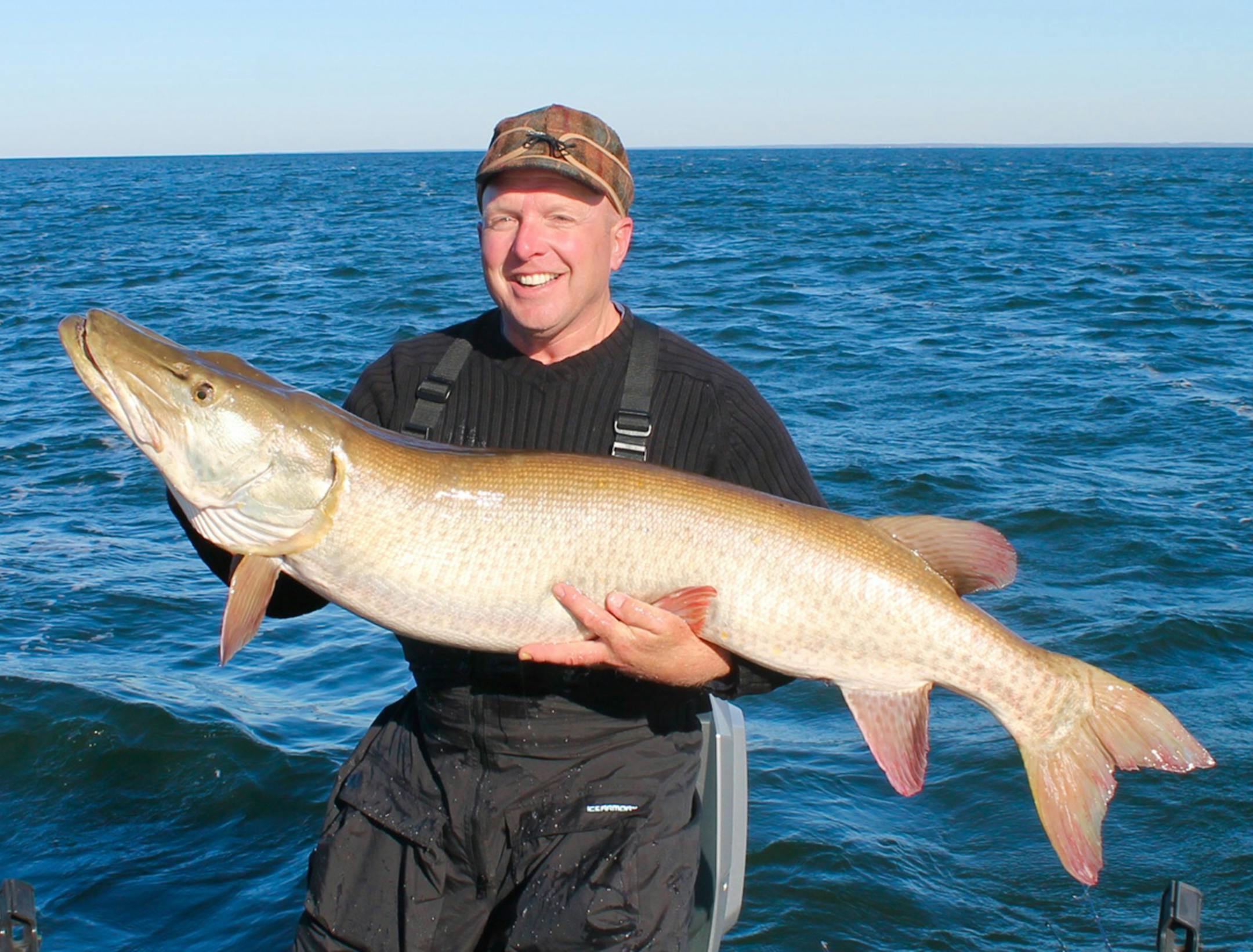
Long time muskie angler Paul Hartman with a 56-inch muskie he caught on Mille Lacs late last year. A huge and potentially record fish, to be sure. But Mille Lacs and some other state lakes might have far fewer muskies than they once did ó which is a problem, because muskie fishing is growing more popular.
Longtime muskie angler Paul Hartman, with a 56-inch muskie he caught on Mille Lacs last year, says some anglers have stopped fishing for them because of dwindling numbers. (The Minnesota Star Tribune)

Late last fall, long af­ter most Min­ne­so­tans had stored their boats for the win­ter, Paul Hart­man still was casting over­sized baits into chilly Lake Mil­le Lacs, hop­ing against hope for a kill­er strike — and a big muskie.

Day af­ter day he tossed and re­trieved crank­baits, jerkbaits and bucktails, be­fore, fi­nal­ly, on Nov. 12, boat­ing a 56-inch-long mon­ster.

Hart­man makes no at­tempt to ra­tion­al­ly justi­fy the time he spent hunt­ing for his tooth­y tro­phy.

"Yes, it was a huge muskie,'' Hart­man said. "On the oth­er hand, it took me more than two years of my life fish­ing on Mil­le Lacs to catch it.''

Hart­man owns and pro­motes George's Min­ne­so­ta Muskie Expo, which runs Fri­day through Sun­day at Con­cordia University in St. Paul. Now in its 21st year, the show is named for its late found­er, George Wahl.

At the expo, which is fair­ly de­scribed as an orgy of muskie lures and oth­er e­quip­ment, along with near­ly con­tin­u­ous how-to semi­nars, Hart­man will be joined by thou­sands of an­glers who share his muskie ob­ses­sion.

And for good rea­son: While wall­eyes re­main Min­ne­so­ta's most prized fish, and pan­fish such as sunnies and crap­pies its most popu­lar, muskies, ar­gu­a­bly, are its most spec­tac­u­lar — wheth­er meas­ured by size, col­or­ing, an­gry demeanor or mem­ories pro­vid­ed to the luck­y an­glers who catch them.

Yet trou­ble seems a­foot with the state's muskies, and it's not re­lated to the brick­bats some lakeshore own­ers hurl at the Department of Nat­u­ral Resources when the a­gen­cy pro­pos­es to intro­duce these al­pha preda­tors into one of "their'' lakes.

Just the op­pos­ite.

"For a while, say be­tween 2005 and 2010, muskie fish­ing was spec­tac­u­lar in what we call the state's 'leg­acy' lakes, such as Mil­le Lacs, Ver­mi­lion, Cass and oth­ers,'' Hart­man, of the Twin Cities, said. "Now, with suc­cess fall­ing off, some peo­ple have gotten out of muskie fish­ing, while oth­ers are look­ing for new lures or 'the next big thing' to try to catch these fish.''

Luke Ronnestrand agrees. He guides muskie an­glers 70 days or more each year on Lake Ver­mi­lion in north­ern Min­ne­so­ta.

"Com­pared to the past, Ver­mi­lion guides are hav­ing to burn a lot more gas and stay on the wa­ter long­er to pro­duce fish for cli­ents,'' Ronnestrand said. "As a re­sult, we've seen the num­ber of an­glers com­ing to the lake de­cline since a­bout 2009.''

Multi­ple for­ces are at play, said Neil Vanderbosch, a DNR fish­er­ies man­ag­er. One is that when muskies were intro­duced into some of these waters — Mil­le Lacs was first stocked with muskie finger­lings in 1984 — their num­bers in­i­tial­ly flour­ished, yield­ing fish of vari­ous sizes, in­clud­ing, in time, some long­er than 45 inch­es.

Now, 15 years or so later, small­er muskies seem to be miss­ing from Mil­le Lacs (and cer­tain oth­er waters) al­to­geth­er, while the lake's re­main­ing muskies are far fewer — and gargantuan.

Case in point: In late 2015, a muskie es­ti­mat­ed to weigh 61 pounds was caught on Mil­le Lacs by Dom­i­nic Hoyos of Stillwater, top­ping a 57-inch be­he­moth land­ed only 16 days earli­er by Robert Haw­kins, own­er of Bob Mit­chell's Fly Shop in St. Paul.

DNR fish­er­ies chief Don Pe­rei­ra agrees that some Min­ne­so­ta lakes "aren't per­form­ing for muskies the way they have his­tor­i­cal­ly.''

The DNR's a­bil­i­ty to pro­duce muskie finger­lings for stock­ing is lim­it­ed by budg­et and fa­cil­i­ty con­straints, Pe­rei­ra said. Still, fish­er­ies man­ag­ers in­tend to re­fine their stock­ing meth­od­olo­gies, he said, while also tag­ging plant­ed finger­lings to bet­ter de­ter­mine stock­ing suc­cess.

Asked wheth­er the DNR's plan to stock muskies in three more state lakes or rivers by 2020 should be re-ev­alu­at­ed, with more em­pha­sis placed on man­ag­ing the state's cur­rent muskie waters, Pe­rei­ra said, not yet.

Vanderbosch of the DNR es­ti­mat­ed that 10-15 years might pass be­fore it's known what's going on with muskies in state lakes.

That's too long, said muskie guide Josh Ste­ven­son, own­er of Blue Rib­bon Bait & Tack­le in Oak­dale and White Bear Lake.

"Not many years ago, I boat­ed more than 100 muskies a year. Now a lot of work goes into crack­ing 60 or 70,'' Ste­ven­son said. "Min­ne­so­ta may be the 'State of Wall­eyes. But now it's also the 'State of Muskies,' and I would think the state would want to pay close at­ten­tion to how these lakes are stocked and man­aged so this great fish­er­y can be sus­tained.''

Den­nis Anderson dennisanderson@startribune.com

about the writer

about the writer

Dennis Anderson

Columnist

Outdoors columnist Dennis Anderson joined the Star Tribune in 1993 after serving in the same position at the St. Paul Pioneer Press for 13 years. His column topics vary widely, and include canoeing, fishing, hunting, adventure travel and conservation of the environment.

See Moreicon

More from No Section

See More
FILE -- A rent deposit slot at an apartment complex in Tucker, Ga., on July 21, 2020. As an eviction crisis has seemed increasingly likely this summer, everyone in the housing market has made the same plea to Washington: Send money — lots of it — that would keep renters in their homes and landlords afloat. (Melissa Golden/The New York Times) ORG XMIT: XNYT58
Melissa Golden/The New York Times

It’s too soon to tell how much the immigration crackdown is to blame.