

Every spring, 11th graders from Albert Lea High School spend a few weeks trying on the lifestyles of their great-great-something-grandparents.
At nearby Historical Village, a collection of buildings maintained by the Freeborn County Historical Society, students spend time in a blacksmith shop, a one-room schoolhouse, a parsonage, a shoe-repair shop. They churn butter, plant corn by hand, pack mud in the crevices of log-cabin walls to keep the critters out. They come up with their own old-fashioned activities — one year they made waffles from an 1856 recipe.
For the finale, the high schoolers don vests and bonnets and other period clothing and spend two days on the site presenting lessons of their own devising to all of Freeborn County's fifth-graders.
"My kids get to taste, touch and feel history," said Jim Haney, an Albert Lea High School social studies teacher who oversees the project. Haney was named Minnesota History Teacher of the Year in 2012, an honor he says owes much to the fact that "I've got a local museum that's a mile down the road and it's got a village and they're allowing me to work with documents and items that are priceless."
Museums are increasingly coming to the rescue to enhance classroom lessons, as schools struggle to do more with less money, said Joe Alfano, K-5 STEM (science, technology, engineering and math) coordinator for Minneapolis public schools. Nationally, museums invest more than $2 billion a year in educational programming, mostly for K-12 students, according to the American Alliance of Museums.
"What museums offer us are those authentic and deep content-rich experiences," Alfano said. "We do a lot of abstract learning, but it has to have a foundation of something real to grow into something meaningful and deep."
It's a natural pairing. Museums offer expertise, primary sources and priceless artifacts — often up-close.
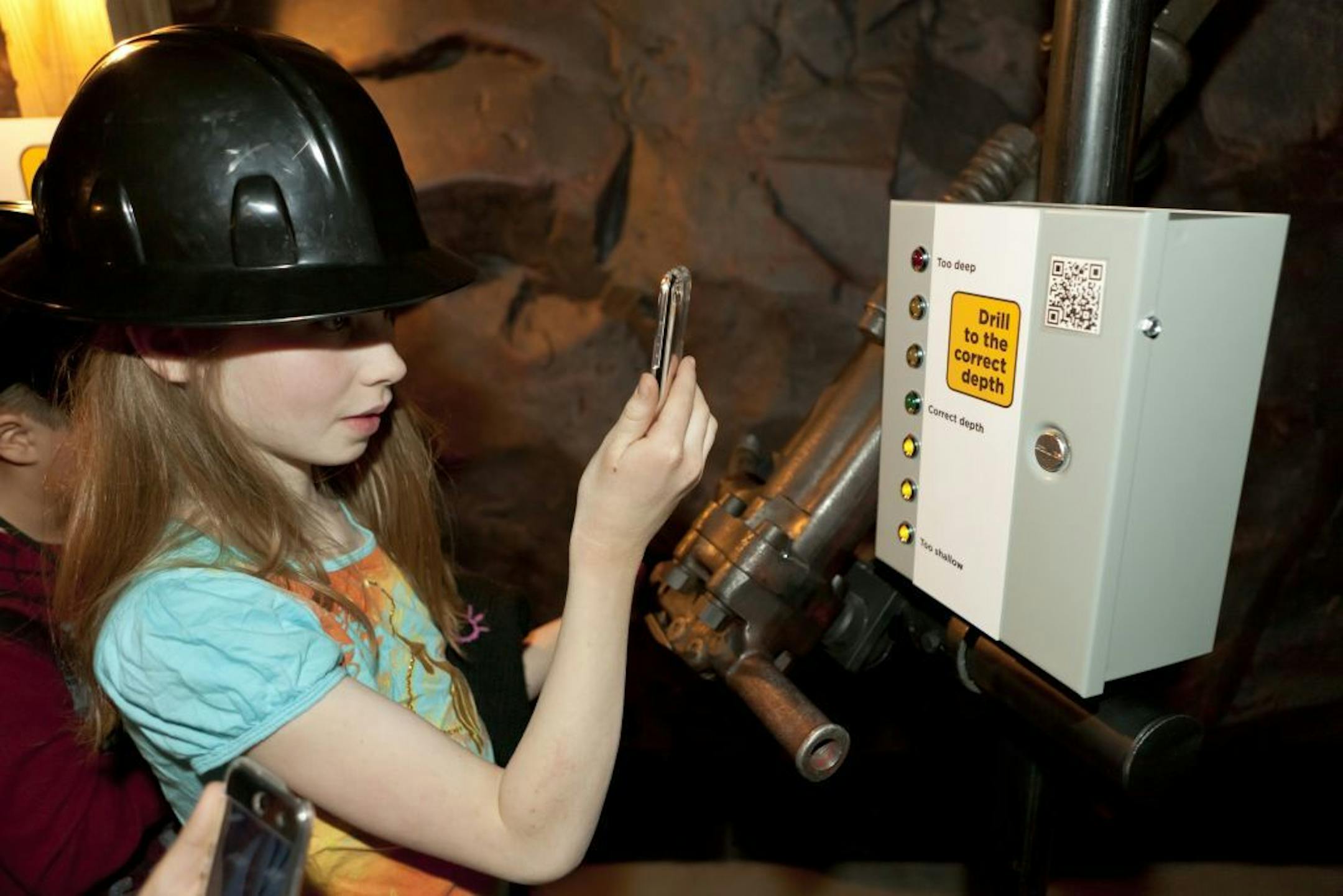
Students in the Science Museum of Minnesota's Real Dinosaur Experience don't just gaze up at skeletons from behind ropes — they get to hold dinosaur teeth in their hands and analyze the dental differences between carnivores and herbivores.


