

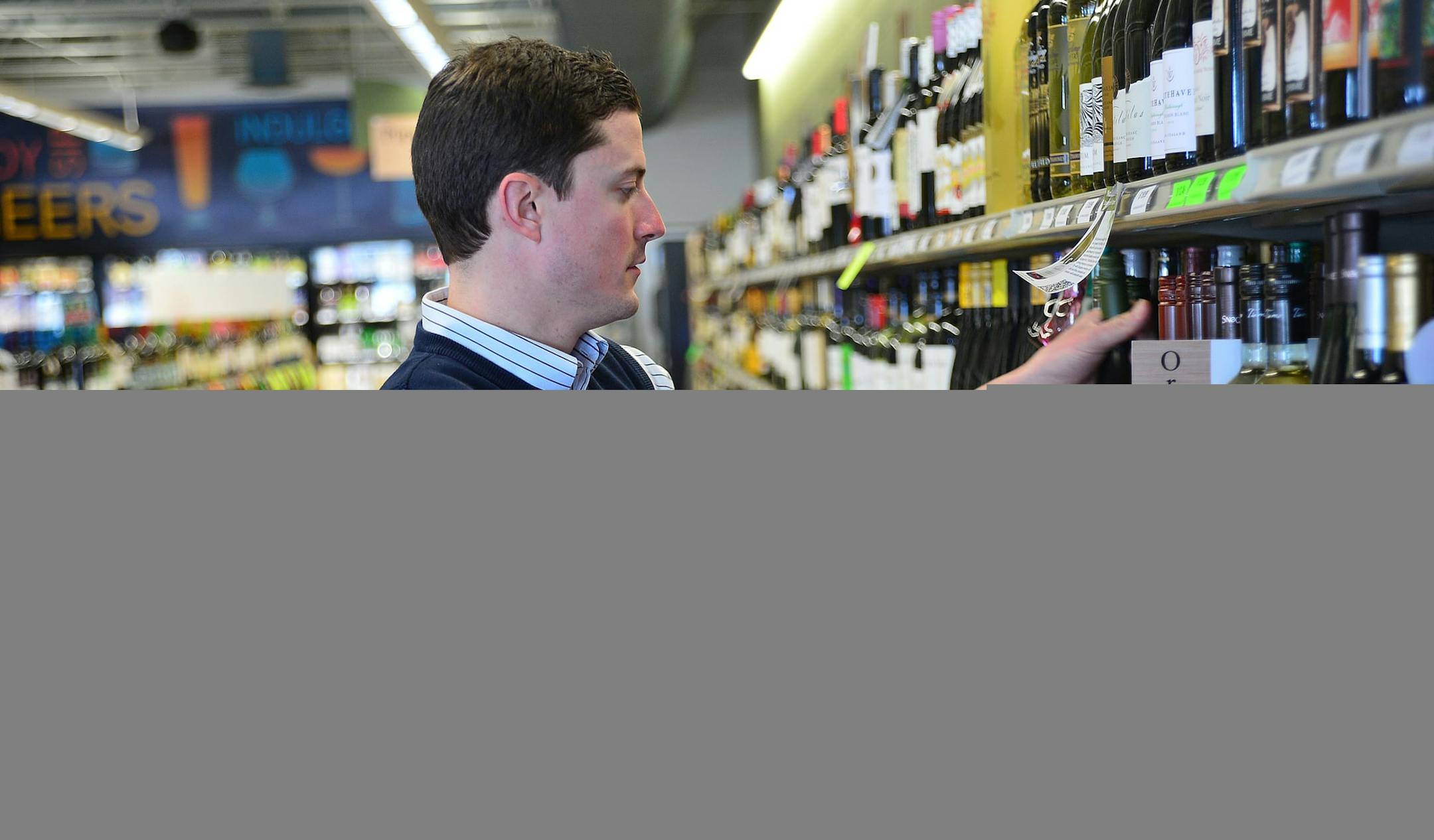
Municipal liquor appears to be holding its own against an increasingly crowded field of competitors that include more national and big box chains.
A report released Monday from the State Auditor shows higher sales and profits in 2012 for on- and off-sale stores in 207 Minnesota communities.
The stores' contributions to city coffers — put to a variety of uses, such as for parks or building improvements — also rose about 14 percent from 2011, to about $23 million. And cities are increasingly touting the benefits their stores provide.
Lakeville's liquor operation channeled $1.1 million to the city in 2012 and $1.7 million last year. "It bought a snowplow, and heaven knows, we need that now," said Brenda Visnovec, director of liquor operations. Profits from the three stores also funded police and fire department equipment, a fire training facility and a new heating and cooling system for city hall.
The auditor's results don't factor in 2013, but they show some encouraging trends, especially for Twin Cities area stores. Edina's net profit of $1.5 million was the highest among cities. No metro stores had losses, and the number of cities with money-losing operations fell from 36 to 25.
In addition to returning about $50,000 to cover administrative costs, Farmington's stores gave $20,000 to a fund for community projects, including a veterans memorial now being built, said City Administrator David McKnight. "We put up huge posters in the stores telling customers their purchases had helped contribute to the vets memorial. This is something we can do more of, because we're thanking people for shopping and telling them where their dollars are going."
In Savage, the city just finished a major renovation of one of its stores, and the sign now features the city logo. Both of the city's stores promote projects they have funded over the years, such as the town's library.
"There are opposing views on municipal liquor," Savage City Administrator Barry Stock said. "A lot of people ask why the city is in a business that can be run by the private sector. But a lot people feel that it's great, helping to pay for facilities in our community that otherwise they'd have to pay for with property taxes or not have at all."


