Knowing my affection for well-manicured urban landscapes, my son gave me a bit of advice as he saw me off on a fast train from Zurich to Munich this past summer. "Be sure to check out what's at the south end of the Englischer Garten," he said. "You'll be surprised."
"What is it?" I asked, imagining a neoclassical temple, a Turkish tent, or maybe an English maze.
Nope, he replied, it wasn't one of those diverting follies that so often appear amid the rolling lawns and bosky glades of 19th-century European parks.
"A grotto! Is it a grotto?" I asked, imagining a mossy, shell-encrusted cave where rivulets of water puddle around a limestone water-nymph in a shallow fountain.
"Not exactly a grotto. Something like that. Only better," he said, grinning at my fantasies. So off I went, his mysterious tip slumbering at the back of my mind.
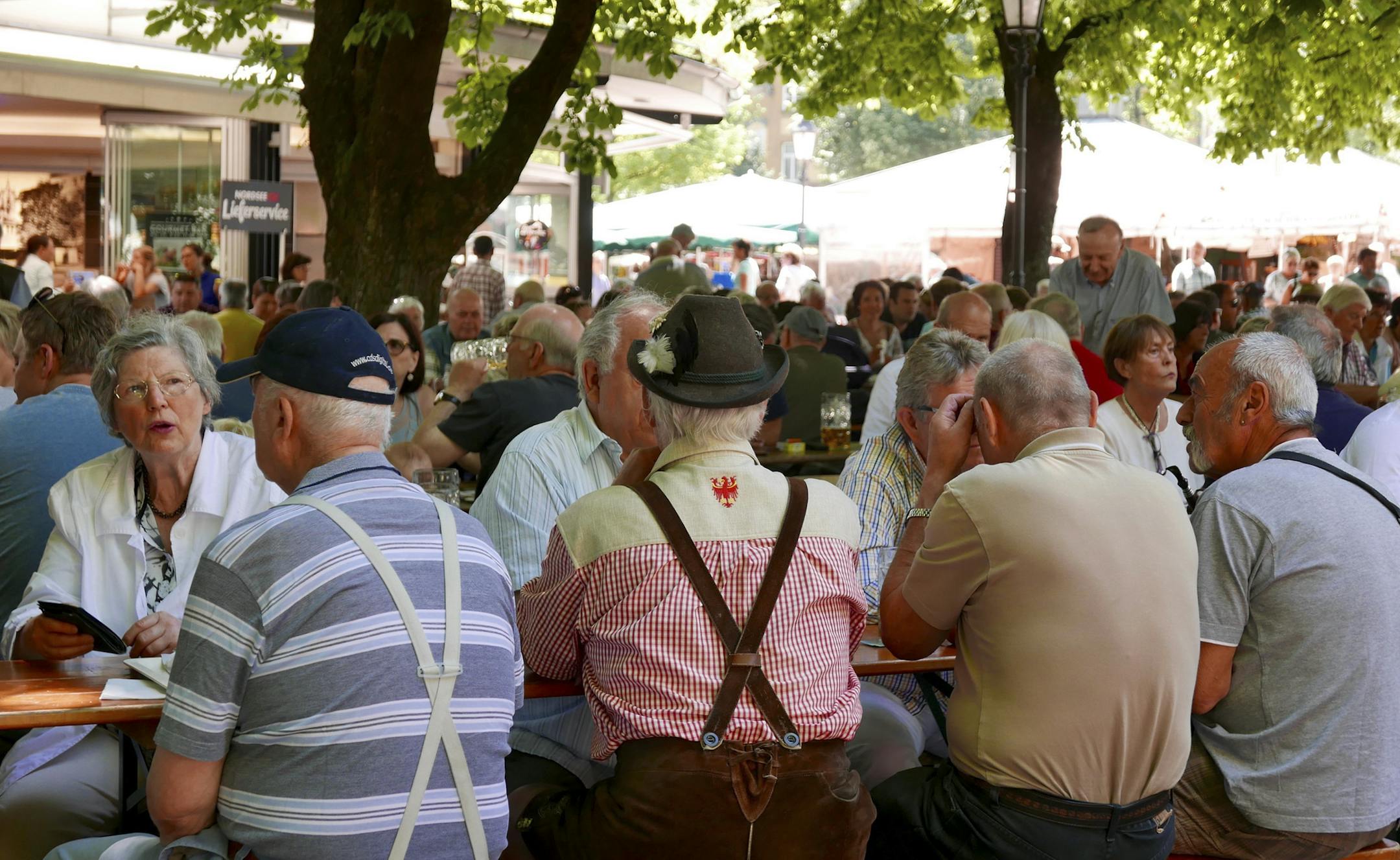
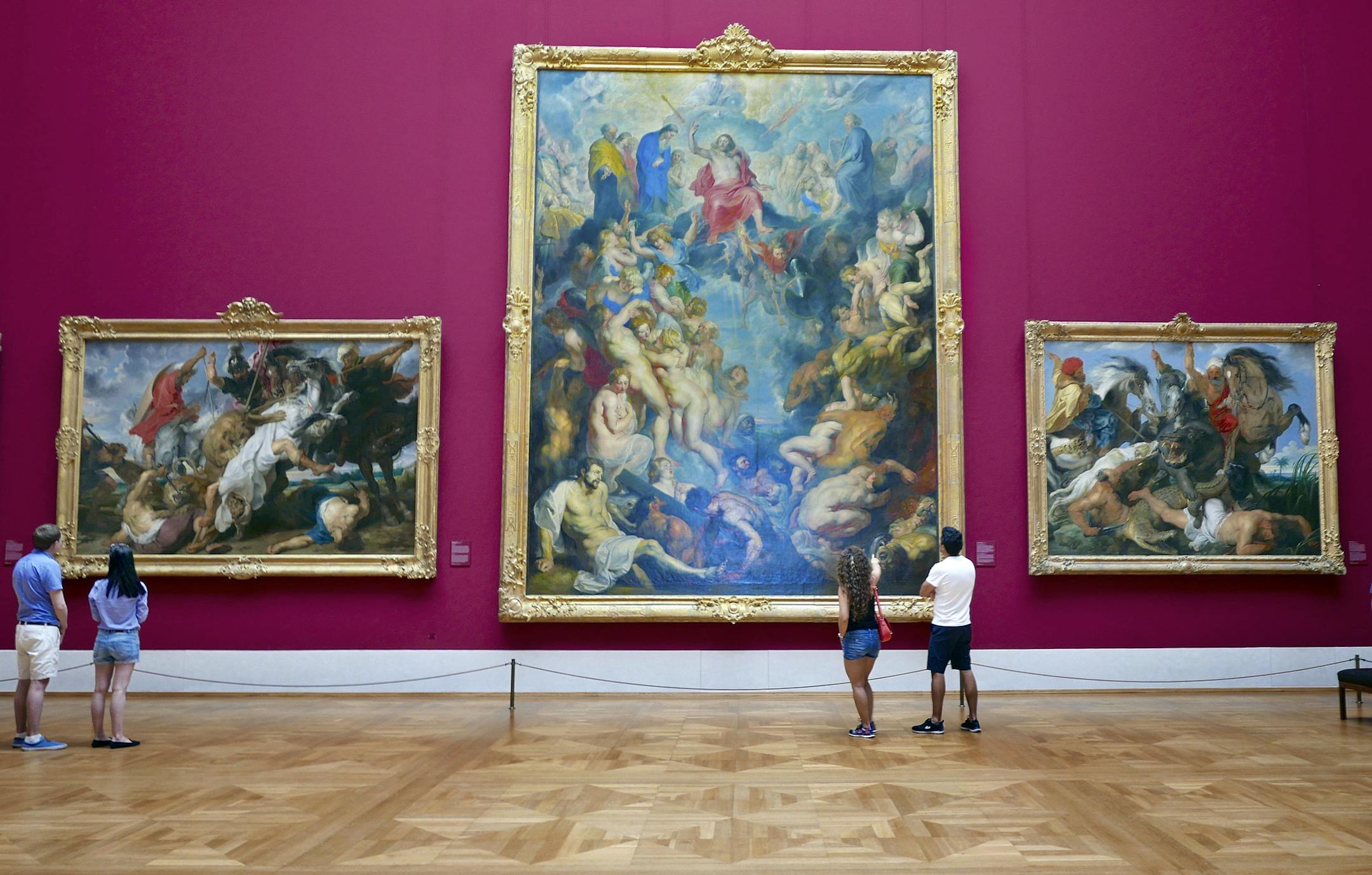
Munich is famous for Oktoberfest, of course, when visitors (5.6 million in 2016) crowd the city's beer halls or settle under rustling canopies of chestnut leaves as they down huge mugs of local brews served by staff decked out in dirndls or lederhosen. Tradition, tourism and harvest fest collude every autumn to promote the Bavarian capital as a world-class party town. But for culture vultures like me there's much more to Munich than accordion schmaltz and collegiate hangovers.
During my four-day visit I explored the city's historic and cultural center, relying on its expansive subway system to connect me with museums, churches, plazas and even the occasional beer garden.
Only my encounter with the ghost of Hitler, not far from the Englischer Garten, unnerved me.