This article is part of a Washington Post series on the decline in the number of Black players in baseball — and what the sports need to do to turn that tide. The entire group of stories, focusing on players from Willie Mays to an 18-year-okd catching prospect, is here.
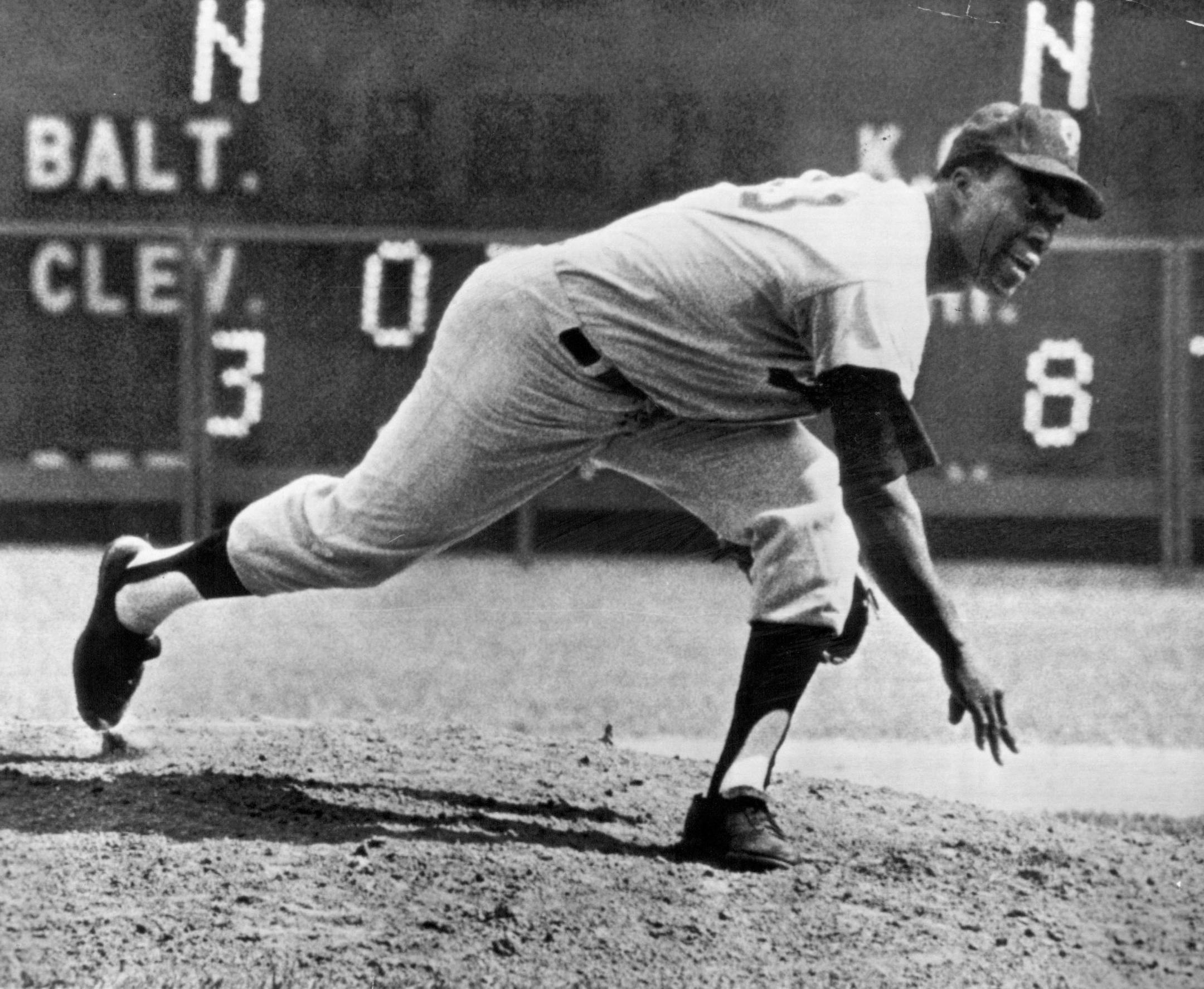
Though it was a room-temperature evening in Cleveland Stadium on Sept. 16, 1960, with a gentle breeze blowing off Lake Erie, Cleveland pitcher Jim "Mudcat" Grant was hot. Red hot. Angry hot.
It was the kind of hot that had forged him growing up north of Tampa, in little, mostly Black Lacoochee, Fla. — in a shack with no hot water, no electricity, no indoor bathroom — with his mother, Viola, rearing her seven children on whatever she could earn cleaning white people's homes and canning fruit at a nearby citrus plant, after the father of the family died of pneumonia working in a lumber mill.
Yeah, that kind of hot. The kind Grant steeped in as a baseball star who still had to suffer the indignities of Jim Crow America — such as picking up his and other Black players' luggage from the hotels where the white players (and only the white players) stayed. The kind that, just a week earlier, was reheated when a presidential candidate, John F. Kennedy, knocked on Grant's door requesting a meeting to talk about what it was like to be a Black player in a sport that for so long didn't want any.
Grant told Kennedy what it was like, all right. He told him about hearing his so-called teammates spit racist insults at Black fans who came to watch him play in his native Florida, a state that was also no stranger to lynching Blacks. About having to take directions from his pitching coach, Ted Wilks, who was reputed to throw regularly at the heads of Black batters, and who, in 1947, as a pitcher with the St. Louis Cardinals, had tried to organize a boycott against the Brooklyn Dodgers to avoid playing against race-barrier-breaking Jackie Robinson.
So that day in Cleveland in 1960, as Black college students risked their well-being by sitting at whites-only lunch counters, Grant boiled over. As "The Star-Spangled Banner" reached its concluding crescendo — "O'er the land of the free and the home of the brave" — Grant, in the bullpen, freestyled:
"This land is not free," he sang, according to the Black-owned Philadelphia Tribune. "I can't even go to Mis-sah-sip-pee …"
For most of the first half of the previous century, Black athletes subjugated themselves to emasculation. They performed. Then they behaved as was expected of Black Americans in post-reconstruction, pre-civil-rights-era America. Joe Louis, Jesse Owens, even Robinson: They were celebrated by white America as standard-bearers for Black America in the country's pursuit of racial peace and unity, but they were celebrated in separateness.