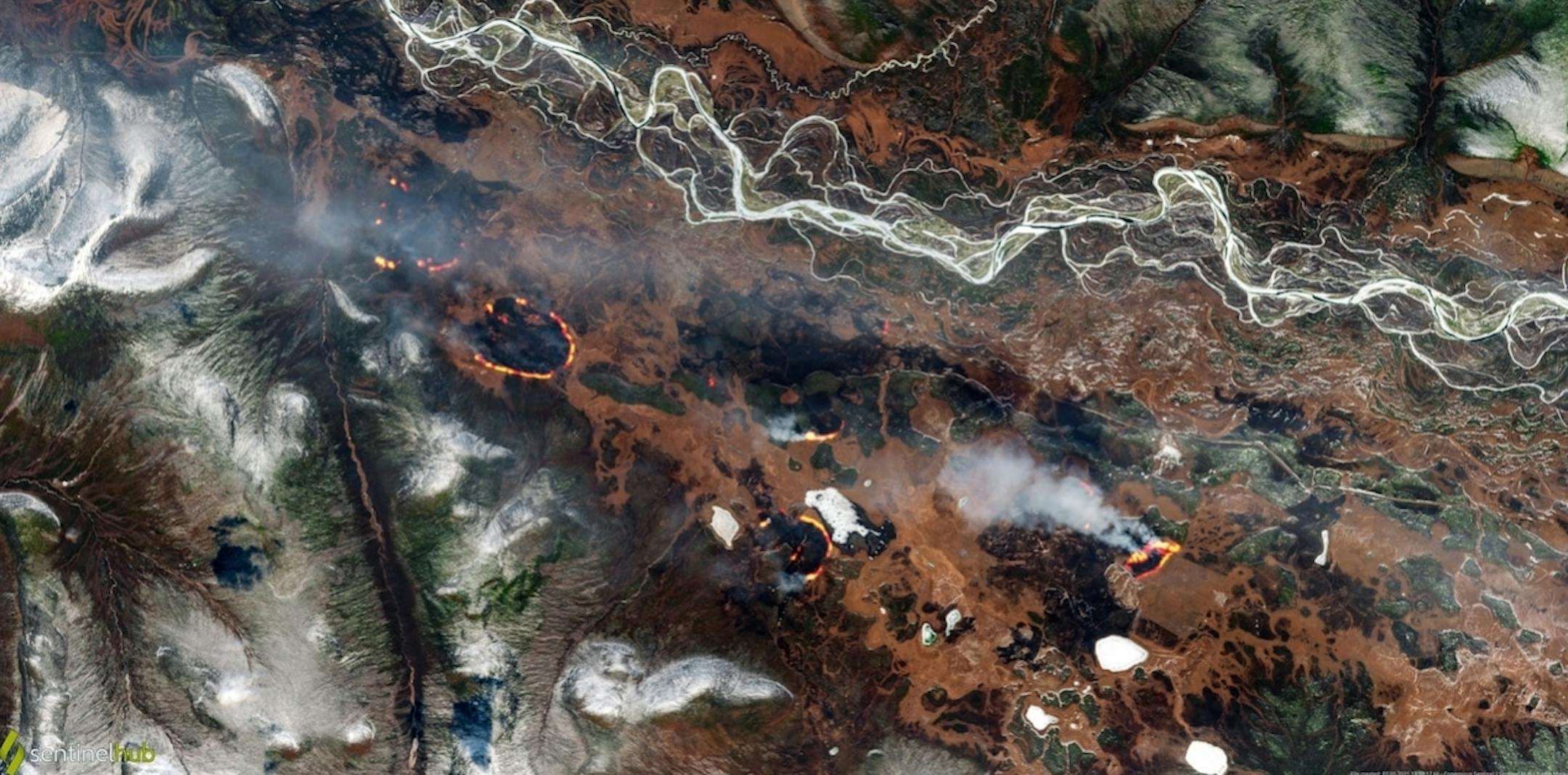
Wildfires burn in northern Russia in early May, 2021. When fires burn this early in the season, scientists try to figure out whether they were sparked by “zombie fires’” that started the previous year. (Photograph by Copernicus Sentinel/Sentinel Hub processed by Pierre Markuse./The Minnesota Star Tribune)
"Zombie Fires" in the Arctic Linked to a Rapidly Changing Climate. Here's an excerpt from an explainer at National Geographic: "...What he saw on the satellite images were "zombie fires," remnants of burns from the previous year that somehow stayed alive, smoldering underground, through the long, cold winter. Zombie fires aren't an entirely new phenomenon in the Arctic; fire managers have noted occasional flare-ups in past decades. But Veraverbeke's team found that their occurrences are tightly linked to climate change, happening more often after hot, long summers with lots of fire and suggesting that these still-rare events could become more frequent. "The sheer fact that this is happening is a testament to how quickly the region is changing," he says..."
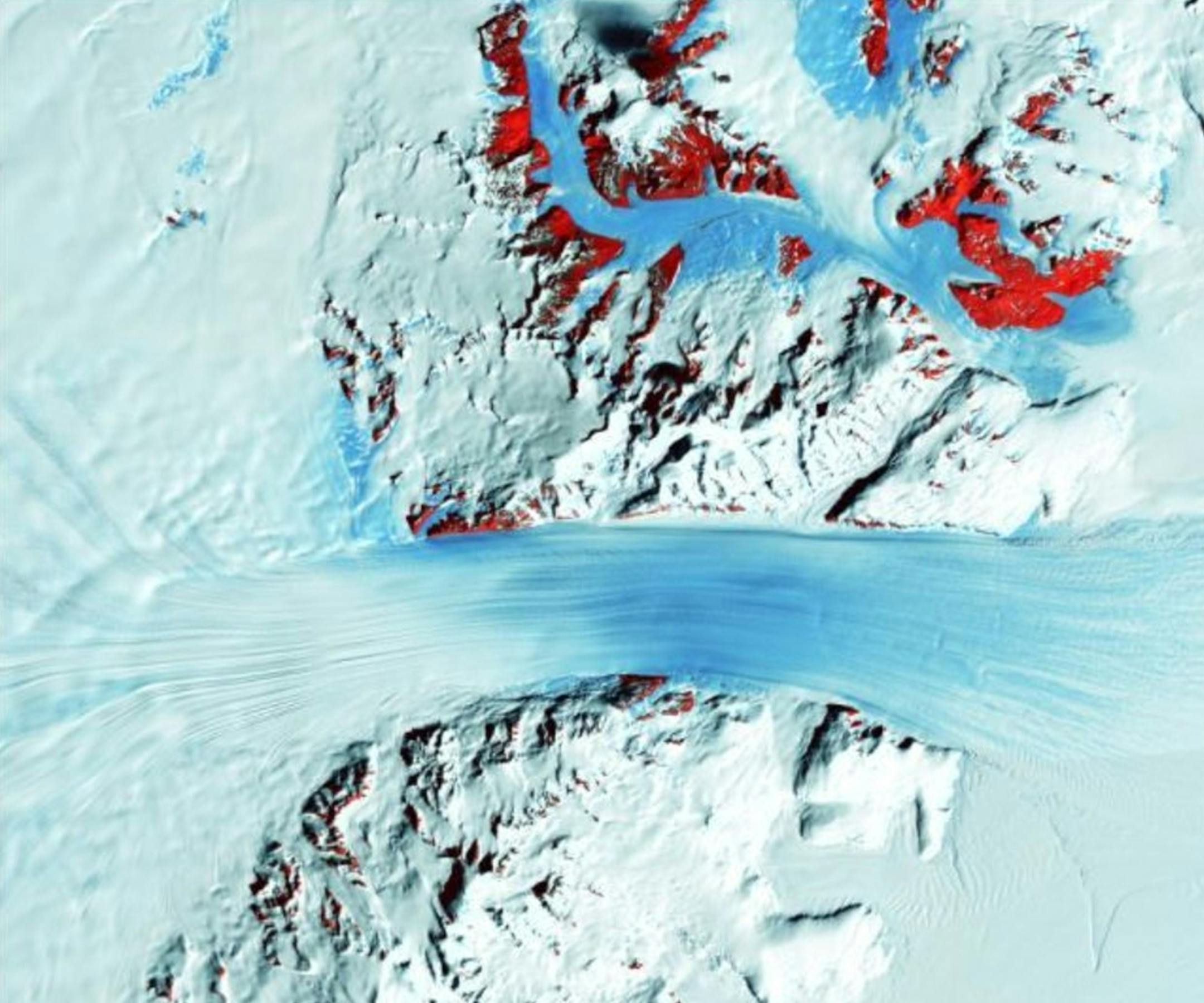
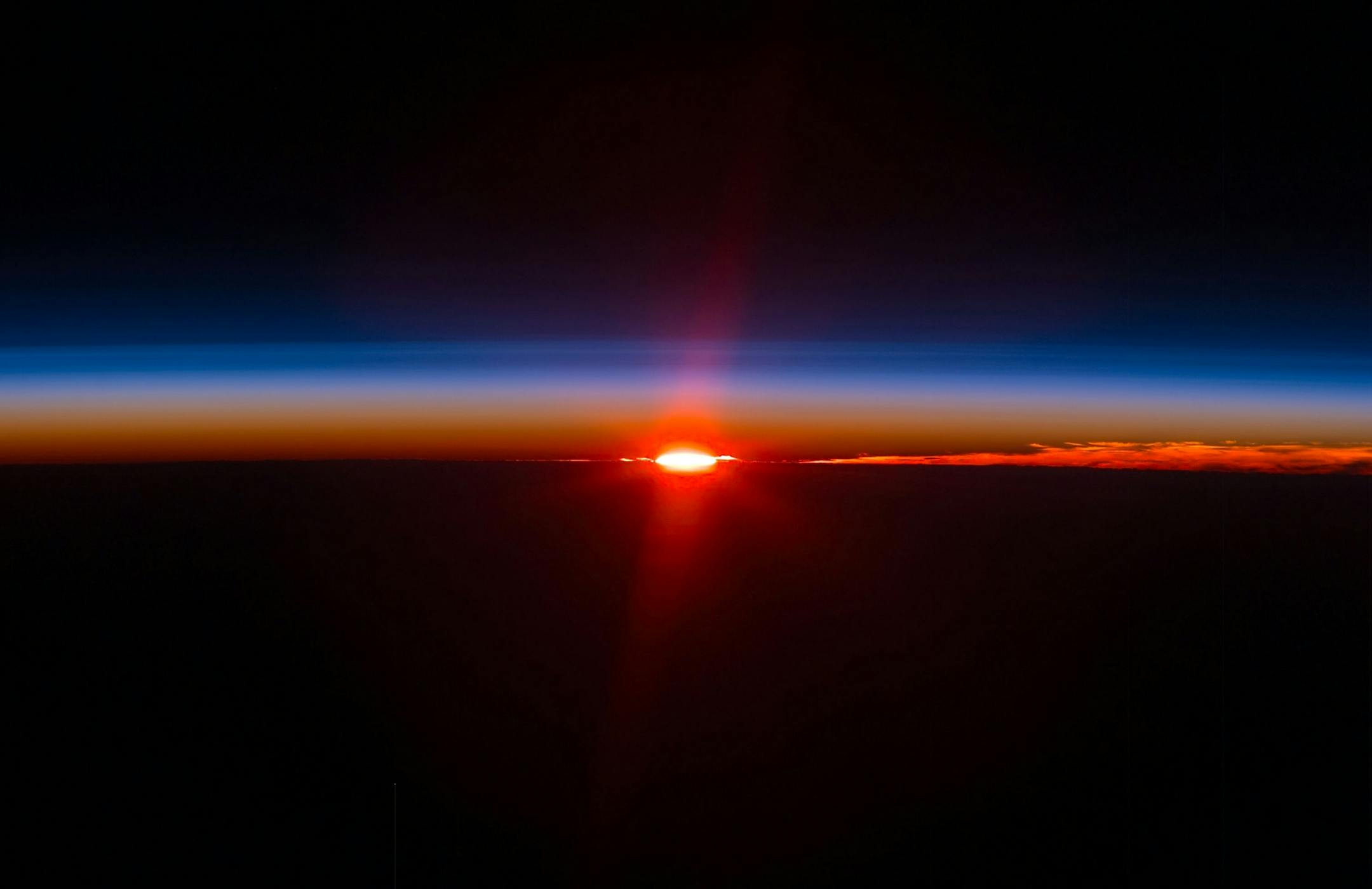
(Scott Kelley, NASA ISS/The Minnesota Star Tribune)
Climate Change Makes Zombie Fires More Common, Fueling Climate Change: More perspective, headlines and links via Climate Nexus: "As if drought, flooding, extreme hurricanes, and deadly heat waves weren't enough, climate change could make zombie forest fires more common, scientists say. Research published Wednesday in Nature found zombie fires — wildfires in Arctic and sub-Arctic regions, so-called because they continue to smolder under winter snows and reignite once the snow melts — are becoming more common as global temperatures rise due to humans' extraction and combustion of fossil fuels. Making matters worse, the Arctic is heating faster than the rest of the planet. The fires and warming fuel a vicious cycle: Higher temperatures enable longer fire seasons and more zombie fires, which lead to the release of more methane and CO2 from carbon-rich peatlands — just 10% of CO2 from Alaskan fires comes from burning trees — which further accelerates global warming. "Ten years ago, someone asked me, 'How often do these happen?' And I said, 'Ehhh, they're interesting but they don't happen very often,'" Randi Jandt, a fire ecologist with the University of Alaska, Fairbanks, told National Geographic. But, she added, "We definitely seem to be seeing them more, in my 30 years of observation and asking people up there about [overwintering fires] before that." (New York Times $, National Geographic, CNN, Axios, The Guardian, Reuters, BBC, Vice, ABC, Wired, Popular Mechanics, E&E $)
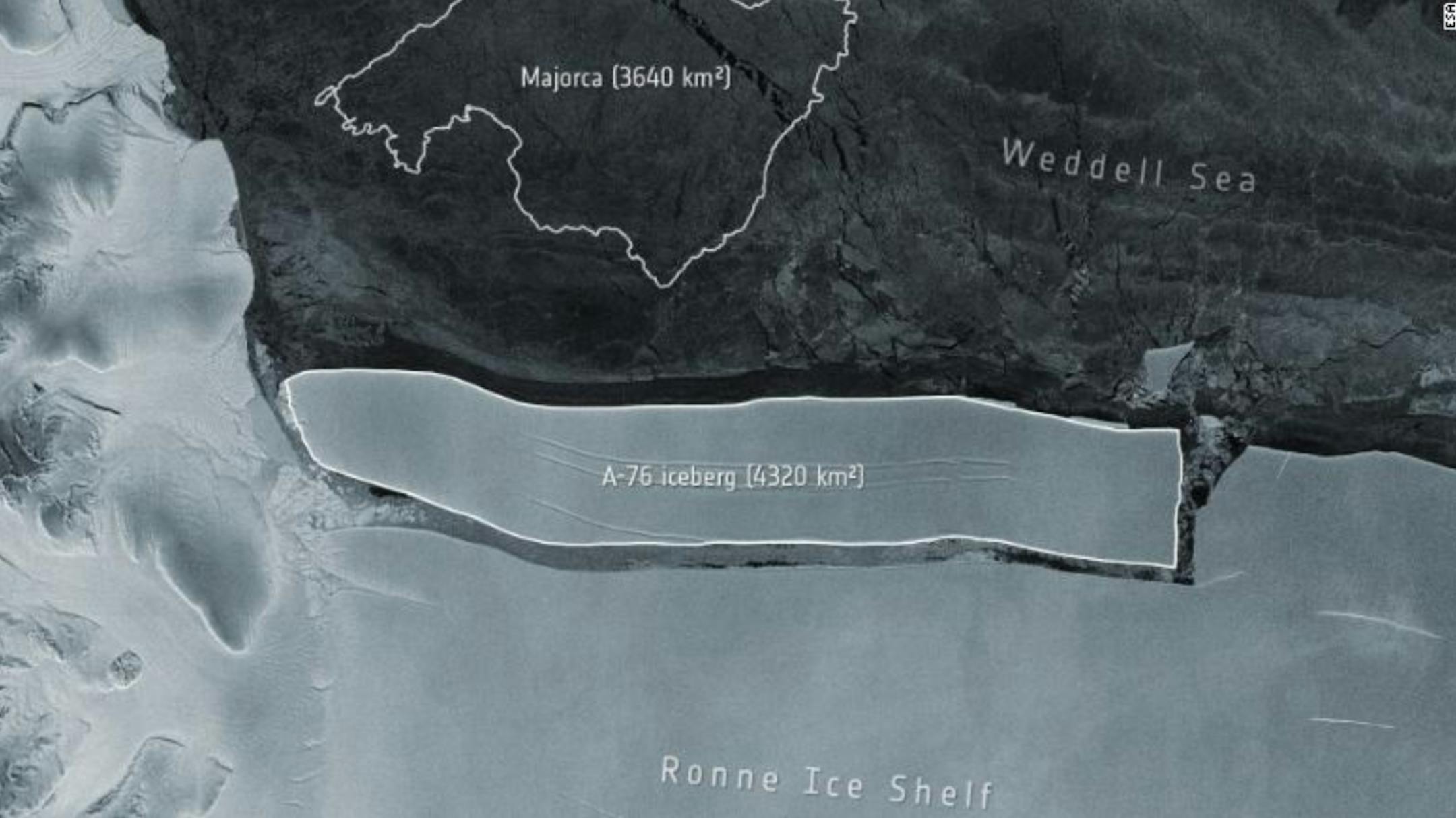
(The Minnesota Star Tribune)
Anonymous Donors Keep the Climate Denial Machine Chugging. Gizmodo Earther has the post: "There's lots of talk from the GOP and fossil fuel companies these days about changing their tune and finally getting really serious about climate change. But new research shows that not much has changed in the world of organized climate denial: It's still massively funded by mostly anonymous donors shielding major conservative actors, and money has increased at a steady churn of around 3.4% per year over the past two decades. This consistency could be the key to climate denial's continued success. The research, which was published Tuesday in Climatic Change, is an update to research published in the early 2010s by Robert Brulle, a Visiting Professor of Environment and Society at Brown University. Brulle's earlier work on the "climate change counter-movement," as he termed the vast network of dark money feeding into right-wing organizations..."
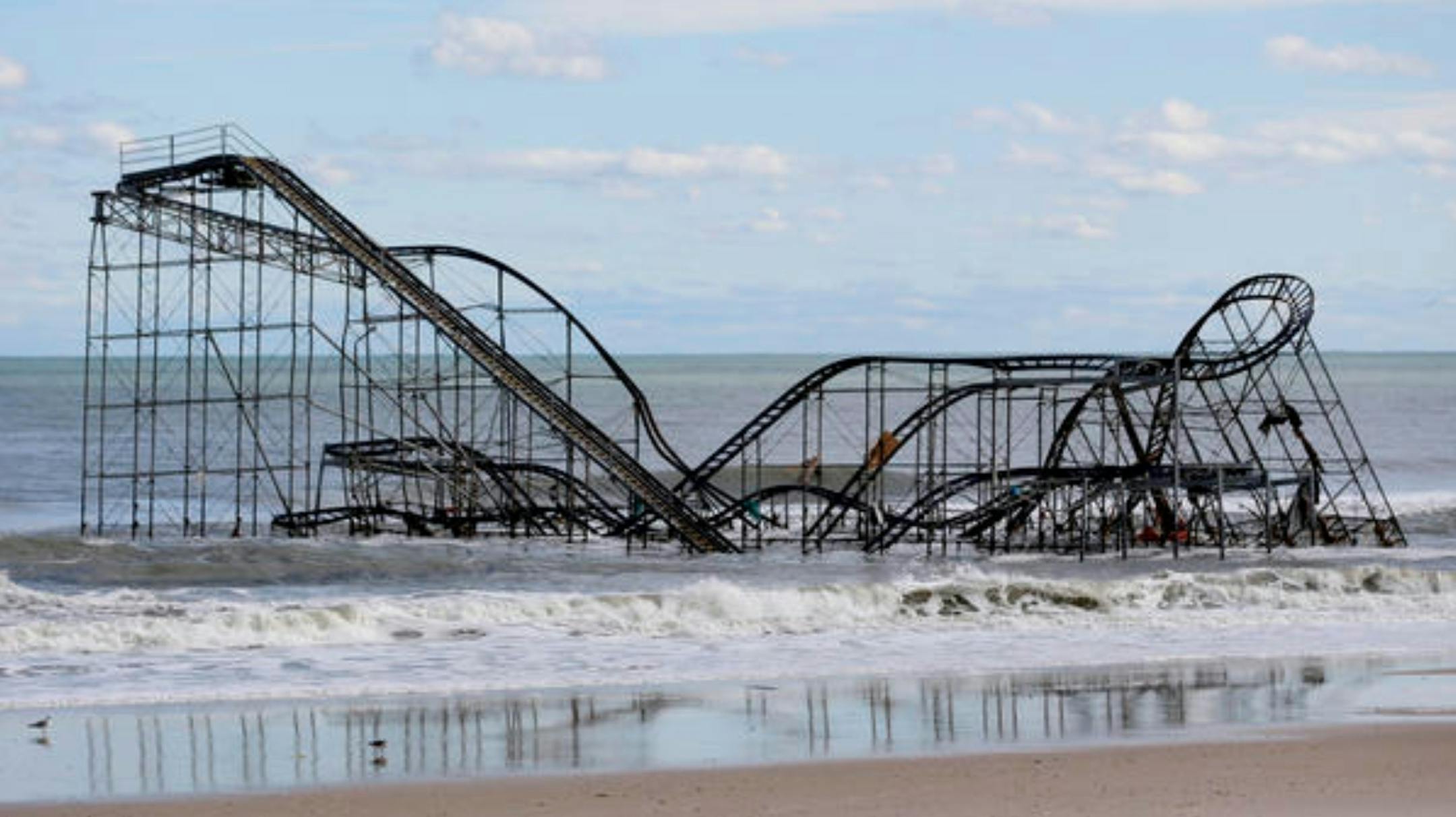
A roller coaster that once sat on the Funtown Pier in Seaside Heights, N.J., rests in the ocean on Oct. 31, 2012, after the pier was washed away by Hurricane Sandy. (Julio Cortez / AP/The Minnesota Star Tribune)
Climate Change's Impact on Hurricane Sandy Has a Price: $8 Billion. Here's an excerpt from an explainer at Public Radio Tulsa: "...The hurricane — also known as Superstorm Sandy — caused an estimated $70 billion in damages in the U.S., mostly from flooding. And while scientists have long believed that some of the carnage was attributable to a warming climate, it has been unclear just how much of a role human-caused warming played in the storm's impacts. New research, published Tuesday in the journal Nature Communications, puts a dollar amount on some of those damages, and it's a startling figure. Using flood maps and sea-level rise measurements, researchers found that human-induced sea-level rise caused an estimated $8 billion in excess flooding damage during Hurricane Sandy and affected an additional 70,000 people..."
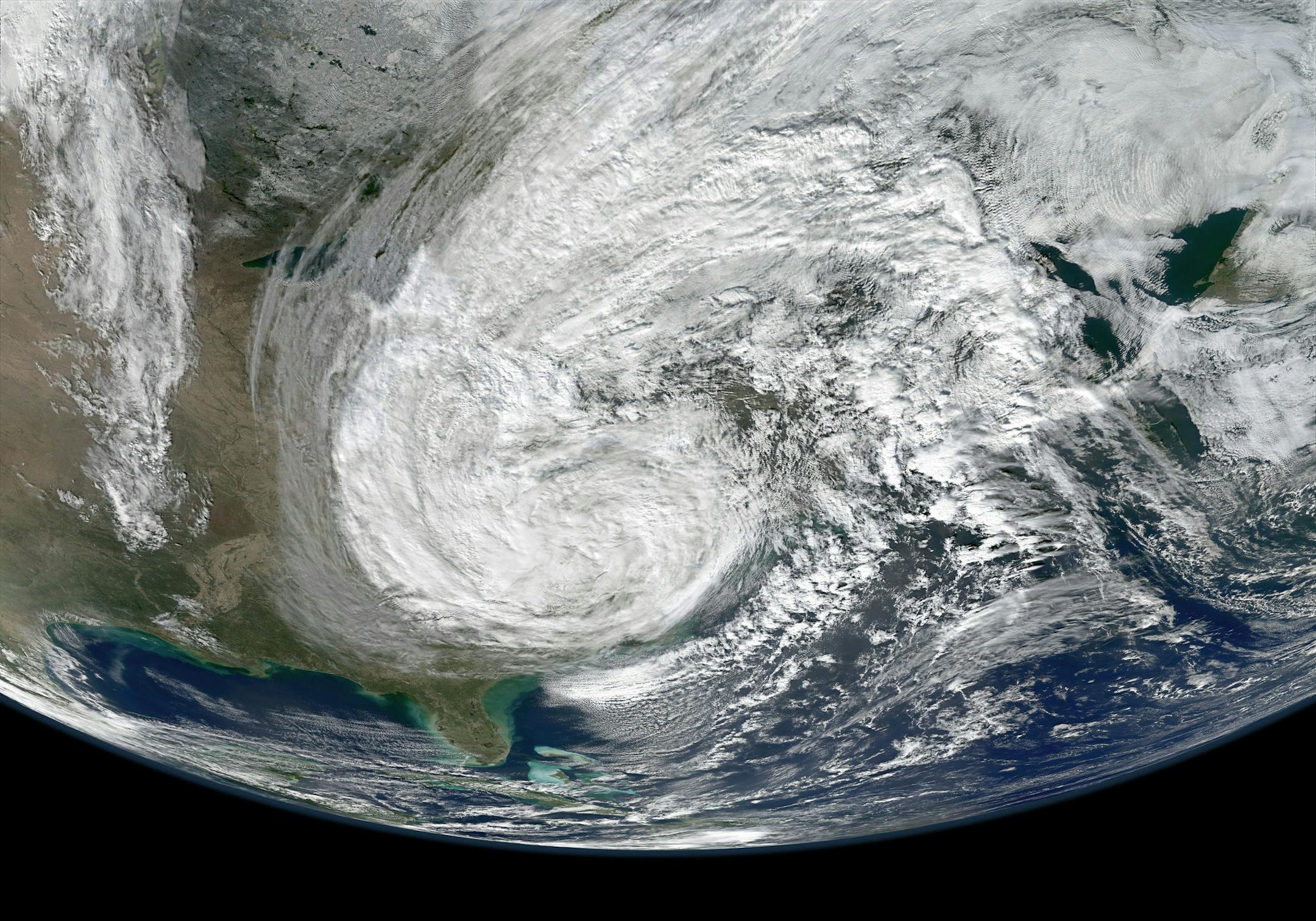
Superstorm Sandy (NASA/The Minnesota Star Tribune)
Climate Change Flooded 36,000 Homes, 71,000 people In Superstorm Sandy: Climate Nexus has more perspective with headlines and links: "Human-caused climate change was responsible for $8 billion of the damage inflicted by Superstorm Sandy in 2012, new research published Tuesday in Nature found. The additional flooding attributed to melting glaciers and ice sheets affected an additional 71,000 people, and just the climate-caused damage on its own would have been the fourth-most expensive weather-related disaster of last year's record-shattering 22 billion-dollar disasters. Researchers calculated sea levels around New York City were almost 4 inches higher, and that the storm surge flooding caused by those extra four inches accounted for a full 13% of the storm's overall monetary damage with dramatically higher damage caused by every additional inch. In some places the additional flooding caused massive damage that would have otherwise been completely avoided, like basement apartments at the outer edge of where it flooded. Elsewhere, just a few inches made a big difference, like where flood waters rose just above a home's lowest electrical outlet, requiring extensive repairs. Overall, the study found an additional 36,000 homes were flooded because of climate change. "I often hear people say when we're trying to help them adapt to increasing coastal flooding, 'Well, it's not going to happen in my lifetime. The sea-level rise won't happen in my lifetime,' " Philip Orton, a co-author of the study, told NPR. "But it's already happening to people. It's already here." (AP, NPR, Reuters, Bloomberg $, Grist, AFP, The Verge, Scientific American, CBS, Reuters, The Guardian, AccuWeather, The Hill; Climate Signals background: Hurricane Sandy, Storm surge increase, Sea level rise)
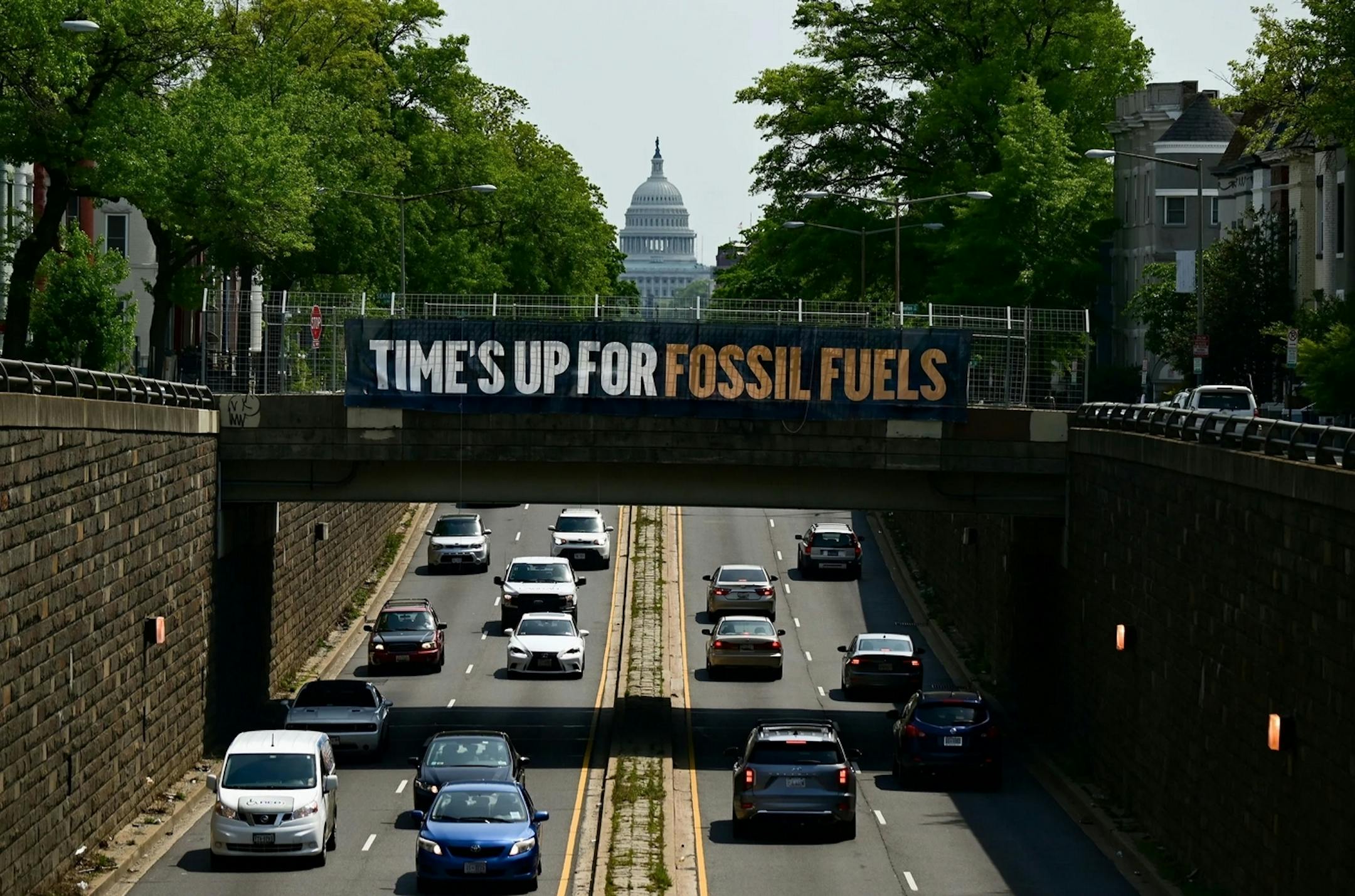
On Tuesday, the I.E.A. said that, after two hundred and fifty years, it’s time to stop exploring for oil, gas, and coal. (Erin Scott / Reuters/The Minnesota Star Tribune)
The International Energy Agency Issues a Landmark Statement About Fossil Fuels. Bill McKibbon Reports for The New Yorker; here's an excerpt: "...The statement on Tuesday from the I.E.A. is a recommendation. It reads, "There is no need for investment in new fossil fuel supply in our net zero pathway. Beyond projects already committed as of 2021, there are no new oil and gas fields approved for development in our pathway, and no new coal mines or mine extensions are required." That emphasis is in the original—in fact, in the new report that sentence is in headline-size type, as well it should be. It says that, after two hundred and fifty years, in the view of the I.E.A., the time has come to stop exploring for oil, gas, and coal. No rational plan for getting to 1.5 degrees (or anywhere near it) can deal with any new supply..."