

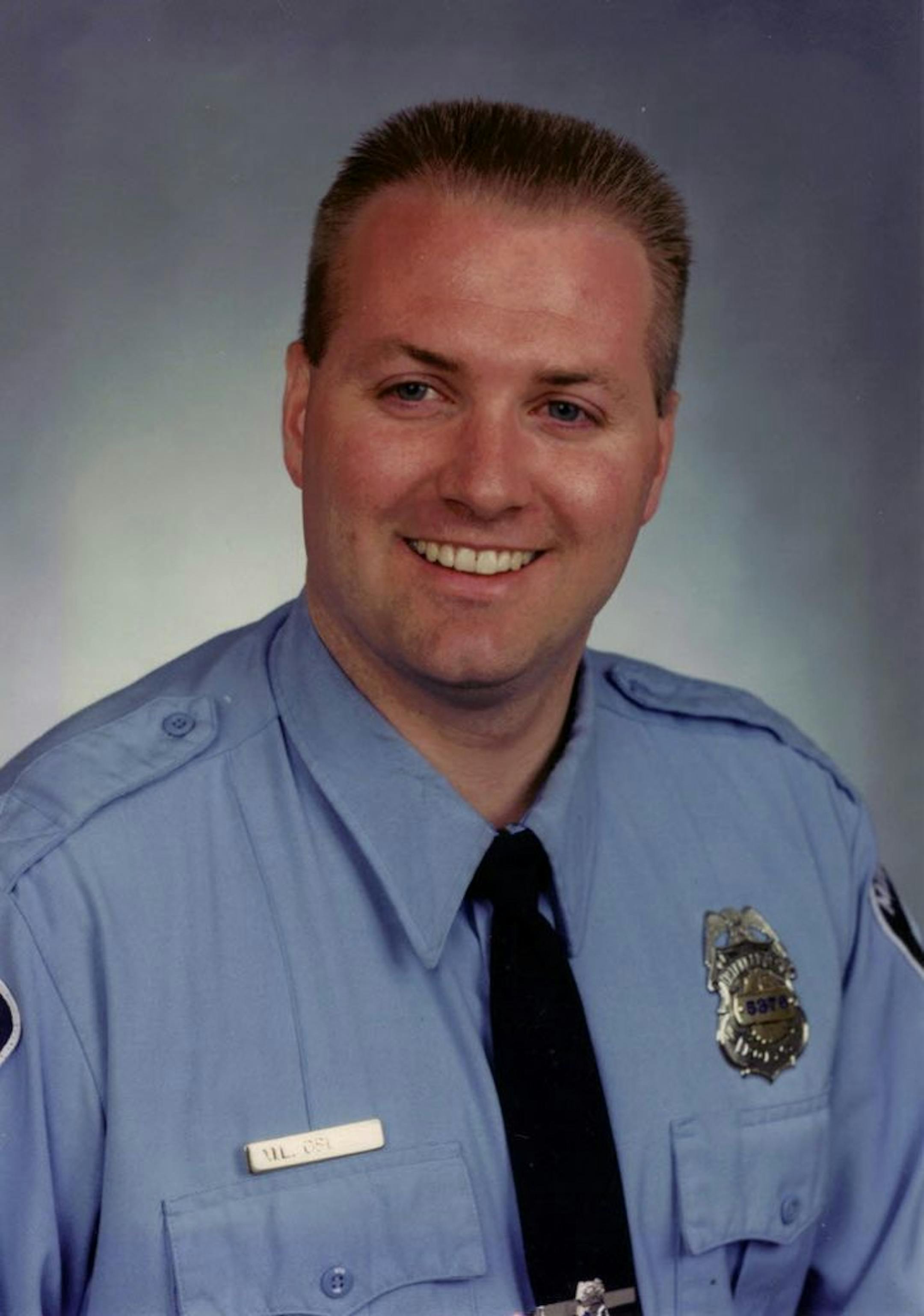
A longtime Minneapolis police detective has filed a $75,000 lawsuit against the city, saying that it retaliated against him after he refused to "manufacture" charges against a man who accused a fellow officer of brutality and then later cooperated with federal investigators in their probe of the incident.
Sgt. Mark Osland, who works in the department's assault unit, alleged that he was repeatedly passed over for promotion for agreeing to cooperate with the FBI probe of embattled officer Michael Griffin. The lawsuit also accused the department of overlooking Osland because of lingering resentment toward him by Assistant Police Chief Kris Arneson, against whom he filed a complaint in 2007 when she was serving as the inspector of the Fifth Precinct.
Osland also contends that department officials failed to act after he reported an officer cheating on an exam for lieutenant promotions.
City Attorney Susan Segal said in an e-mail Friday that the allegations are "without merit" and that her office will "vigorously defend the City of Minneapolis against them."
In the lawsuit, filed Sept. 14 in Hennepin County District Court, Osland alleged that he was singled out after he refused to bring charges against a man who sued the city and Griffin over a 2010 confrontation in front of the now-defunct Envy nightclub. He contends the request was made by Sgt. Gary Nelson, an internal affairs investigator, who explained that it would give the city "leverage in the civil lawsuit if there were criminal charges against the individual."
Osland said in his lawsuit that he believed that Nelson approached him at the request of a superior.
"Sergeant Osland was shocked that Sergeant Nelson was asking him to do something illegal and immoral because, for the charges to have any legitimacy, Sergeant Osland would have to hide the video from the prosecutor," the suit read.
The suit alleged that the 27-year veteran was denied promotion to the rank of lieutenant after he spoke with FBI agents who were investigating Griffin. Such action would be in violation of the state's whistleblower law, which is intended to protect people who come forward with complaints.


