

Minnesota has been frigid this winter, but the state economy has warmed nicely. That was the good word from state economist Laura Kalambokidis on Friday as she forecast a $1.23 billion surplus in the state's 2014-15 budget — $408 million more than she predicted three months ago.
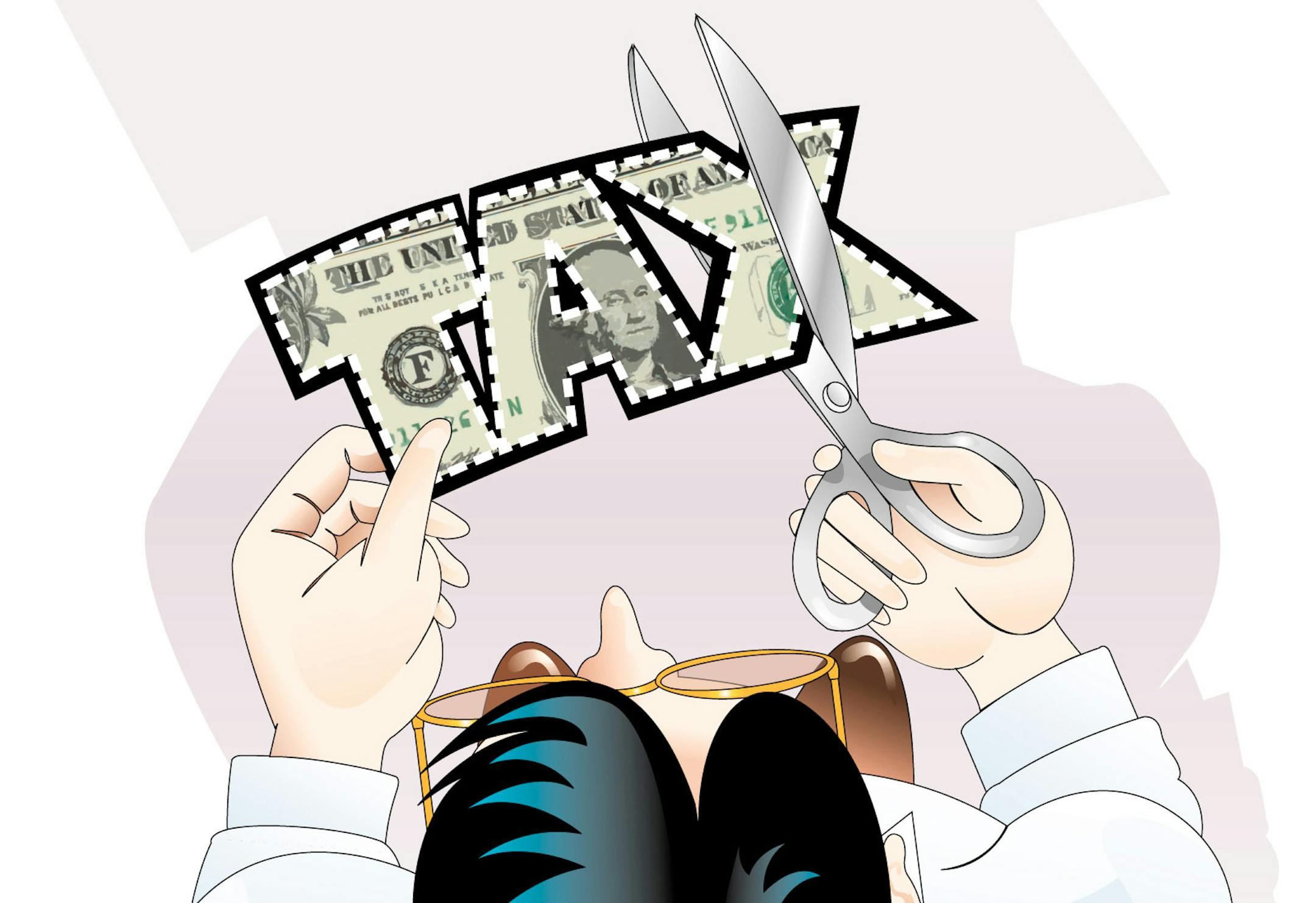
Just as heartening was last week's quick move by the House Taxes Committee to employ $500 million of that excess to keep the state economic engine hot. On only the third day of the new legislative session, the ordinarily fractious committee unanimously approved the repeal of three ill-conceived new business sales taxes, plus a batch of income tax measures that will benefit low- and middle-income filers (see accompanying text).
Gov. Mark Dayton said he'll see the House's $500 million tax cut bid and raise it by a yet-to-be-specified amount. His wish list, to be detailed this week, includes the elimination of the state's gift tax, an easing of the estate tax, a richer credit for "angel" investors in start-up businesses and an extension of a new local government sales tax exemption to special taxing districts. He says he wants a final tax bill on his desk by March 14.
We admire the content of these proposals and the urgency with which they've been advanced. Tax filing season started weeks ago. Some of these proposals involve retroactive changes for tax year 2013 and could lead to amendments in returns already filed.
(Note to tax filers: Don't wait to submit your return, Revenue Commissioner Myron Frans advised last week. If and when changes are made, the Revenue Department will either make adjustments to refunds automatically, or will advise taxpayers individually to file an amended return. That process will be smoother for returns filed electronically, which the department urges.)
The moves by the DFL-controlled House and DFL governor have thrown what ought to be an uncomfortable spotlight on the DFL majority in the state Senate. That's where the sales tax provisions on the repeal list originated in 2013. That's where middle-class tax relief via federal conformity was rejected last year. And that's where a hang-up appears to lie this year. The Senate majority, which does not face voters again until 2016, is understandably reluctant to let go of too much of the new surplus, lest the economy suddenly cool again. Trouble in the 2016-17 state budget will be theirs to resolve.
But Friday's budget forecast makes the relief proposed by the House and the governor seem reasonable. And the gain to be had from the tax changes they favor is substantial, both in economic stimulus and enhancement of the state's business climate reputation.
Senate Majority Leader Tom Bakk acknowledged that Friday's forecast makes enactment of tax cuts this year "definitely more likely." But he did not promise speedy action or specify how much his caucus is willing to cut.


