

Q: I have a 2014 Kia Soul with 37,000 miles on it. Yesterday I noticed water drops on my driveway. I looked under the car, and they were coming from somewhere close to the back of the engine. I suspect it could be condensation from the A/C. The engine temperature gauge shows normal, the A/C blows cold and the radiator and coolant reservoir are both full. Any suggestions?
A: I suggest that you relax. What you saw is perfectly normal. Most people don't notice the water drops on the ground. Sometimes, the pavement is so hot the water evaporates almost immediately, particularly on asphalt. In fact, if the condensation is unable to escape, your air conditioner will not work properly.
Stop auto-stop argument
Q: My husband thinks our car's auto stop/start function is bad for the engine, saying that the most wear and tear occurs when starting. He thinks this feature should be turned off. I like the idea of not polluting the air needlessly, but, then again, I don't want to create excessive wear and tear on the engine. What do you think?
A: Your husband might be referring to the fact that most engine wear occurs when the engine is cold. Once warmed up, the engine is unaffected by starting and stopping. Not only is your car polluting less, but it also is getting improved fuel economy.
Brake breakdown
Q: I'm having a debate with my brother regarding parking brake usage. I say that using it before shifting into park takes pressure off the transmission, especially on sloped streets and driveways. He says it doesn't make any difference. The unpleasant "clunk" when putting the car in gear without using the parking brake can't be good for the long-term health of the transmission. What are your thoughts?
A: When you shift into park, a pawl (pin) engages to prevent engine power from reaching the drive wheels. It is not there to keep the vehicle from rolling. That is the job of the parking brake, which should be used every time before shifting into park. Without the brake, the pawl can wear or eventually break.
Pesky warning light
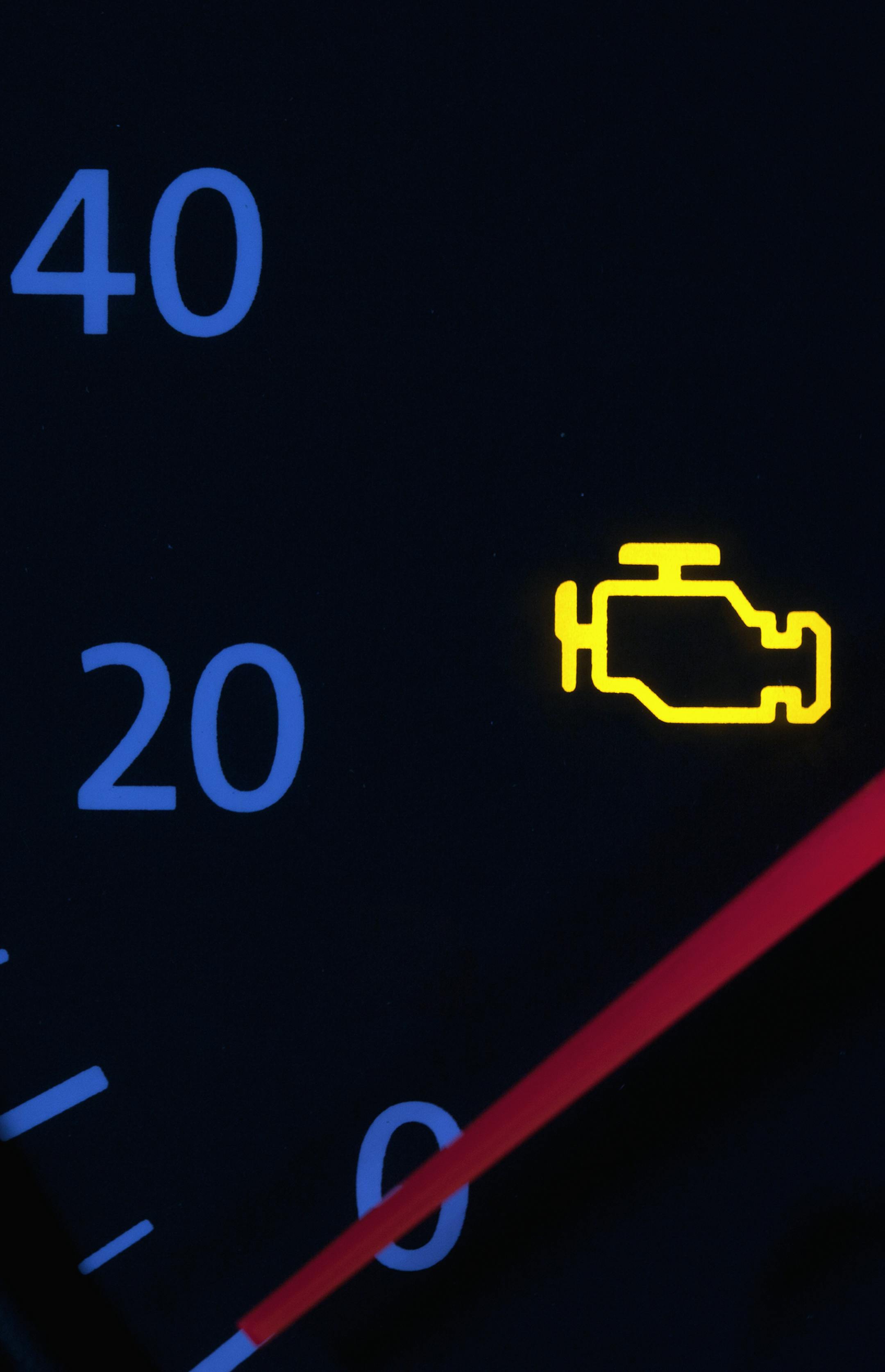
Q: The check-engine light for the gas tank keeps coming on in my 2001 Toyota RAV4 with 84,000 miles. Various "fixes" have been made, but nothing helps. I even bought a new gas cap. The latest suggestion is to replace the charcoal cleaner. But after all this time and money, I am not sure what to do next. It runs perfectly.
A: The gas cap is the most common problem, but RAV4s of that vintage have had issues with the charcoal canister (not cleaner), which stores fuel vapors to prevent pollution. You replaced the gas cap, so check the filler pipe seat for nicks or scratches that could prevent a good seal. If all is well, the canister or its components might be the culprit.


