Maple syrup from the deep, snowy woods is a sure sign of spring, and a sweet promise of fresh food to come.
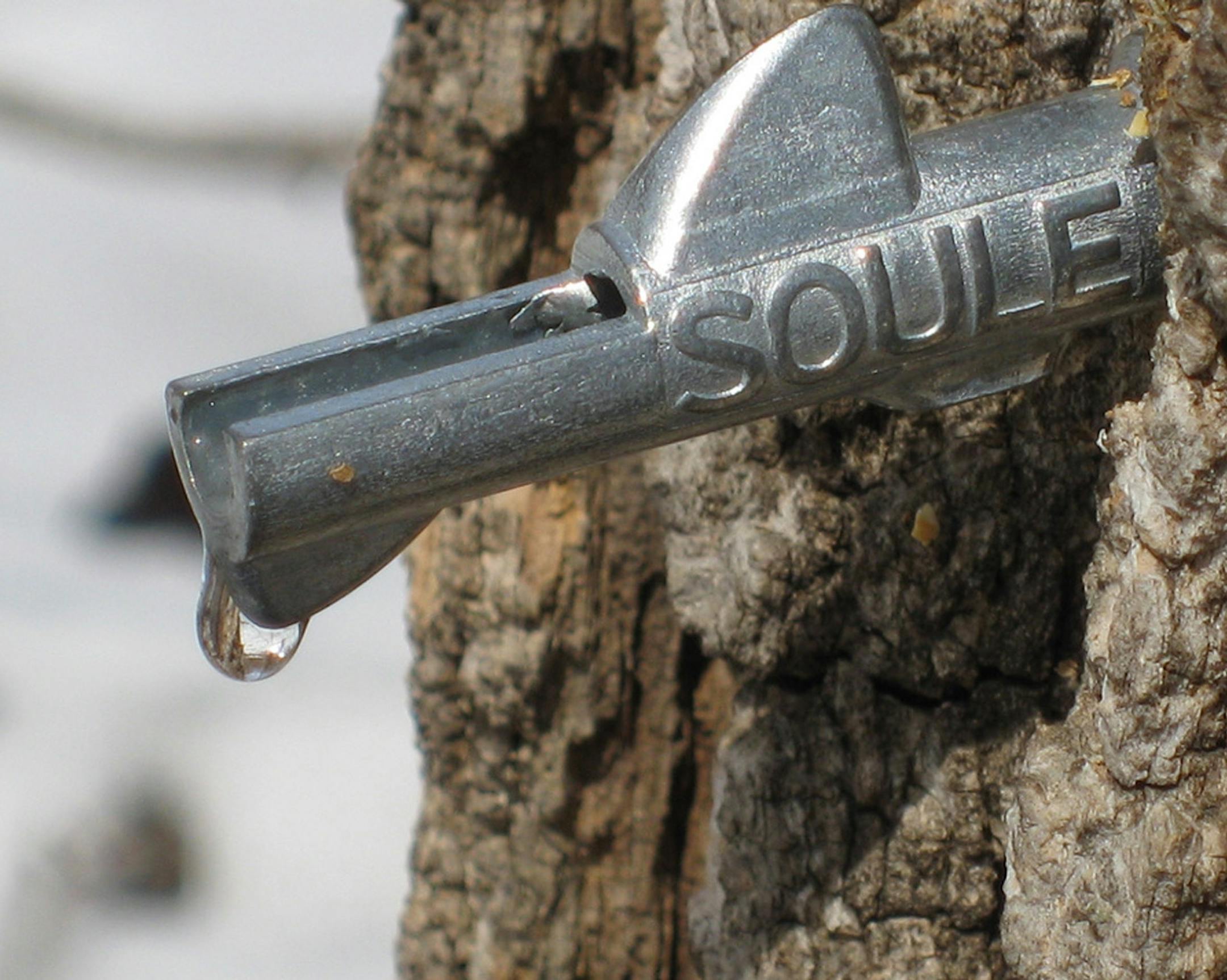
This year's harvest is off to a slow start, according to Rebecca Yoshino, director of the Wozupi Tribal Gardens in Prior Lake. The grove of maple trees she monitors, surrounded by newly built suburban homes, is tapped with bright blue plastic tubes that pipe sap down the slope and into a huge stainless collection barrel for delivery to the sugarhouse.
Last year by this time, the 650-plus taps yielded enough sap to process into 200 gallons of syrup. But this year production is down to about 30 gallons.
"We need colder nights as well as warm days to help the sap run," she told me, as we stood amid the web of taps. During the day, the starch stored in the trees' roots for the winter rises through the trunk and is tapped as sap. At night, when the temperatures drop, the tap stops. But it flows again in the heat of the day.
Back at the new, mechanized sugar shack, the syrup is boiled in an enormous tank, filtered and bottled. In this quiet spot, Yoshino's work is a reminder of how much good food can be harvested close to the city.
I've helped harvest maple syrup at a friend's cabin Up North, using the old-fashioned methods, collecting the buckets and schlepping them through the snow to a big cauldron set over a wood fire.
As the sap simmered through the night, we took turns stirring and sipping whiskey-spiked maple tea and coffee, maple cocoa and, toward the end, we drizzled syrup in the snow, where it hardened into maple candy. Although the new systems make "sugaring" far more efficient and much less romantic, the whole process will always rely on Mother Nature's whims.
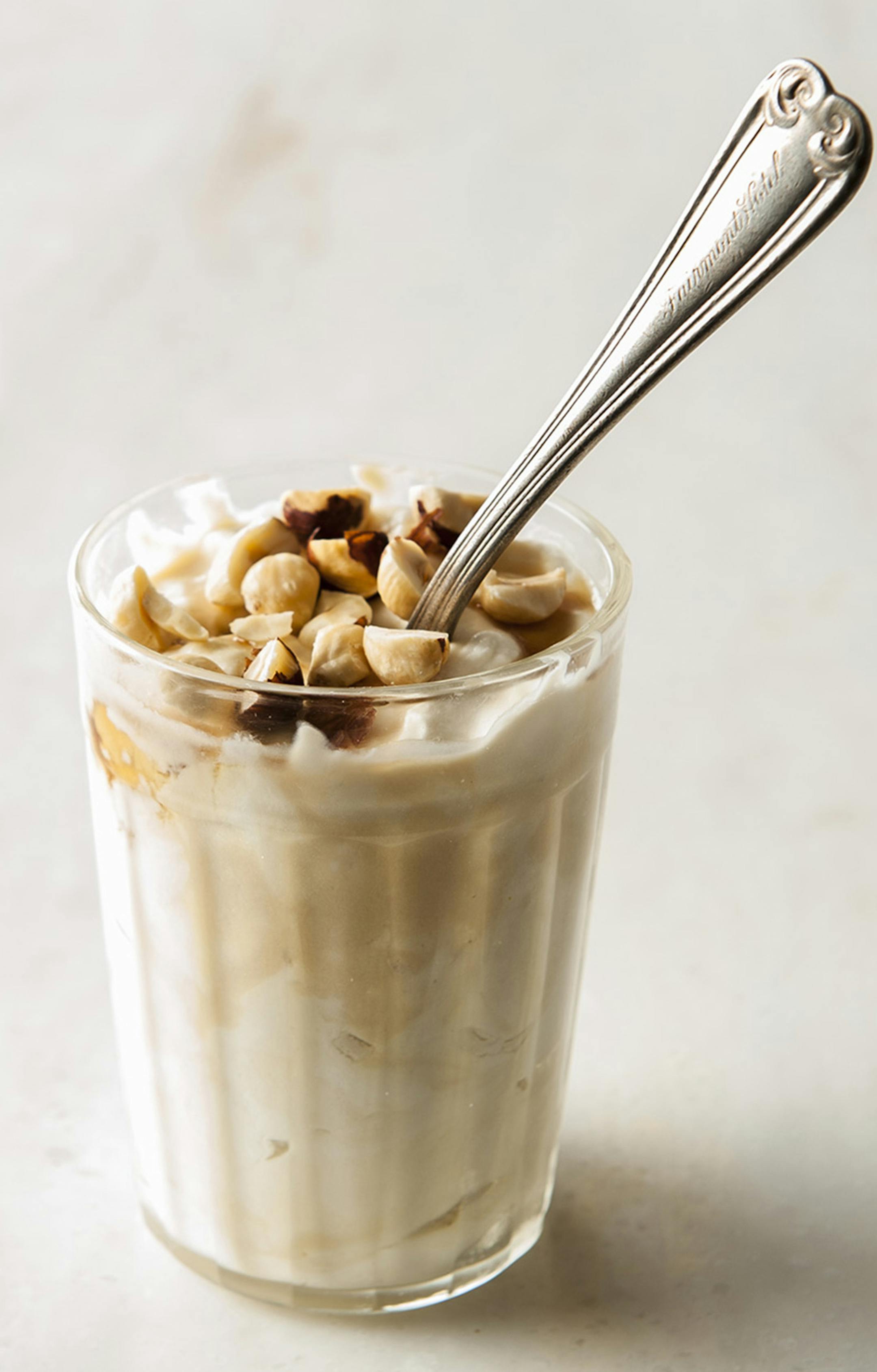
Maple syrup is classified by color and flavor: golden, amber, dark and very dark. The lighter the color, the more delicate the taste. Each offers a range of possibilities. I prefer the golden for pancakes and waffles; the amber to drizzle over vanilla ice cream or stir into coffee.