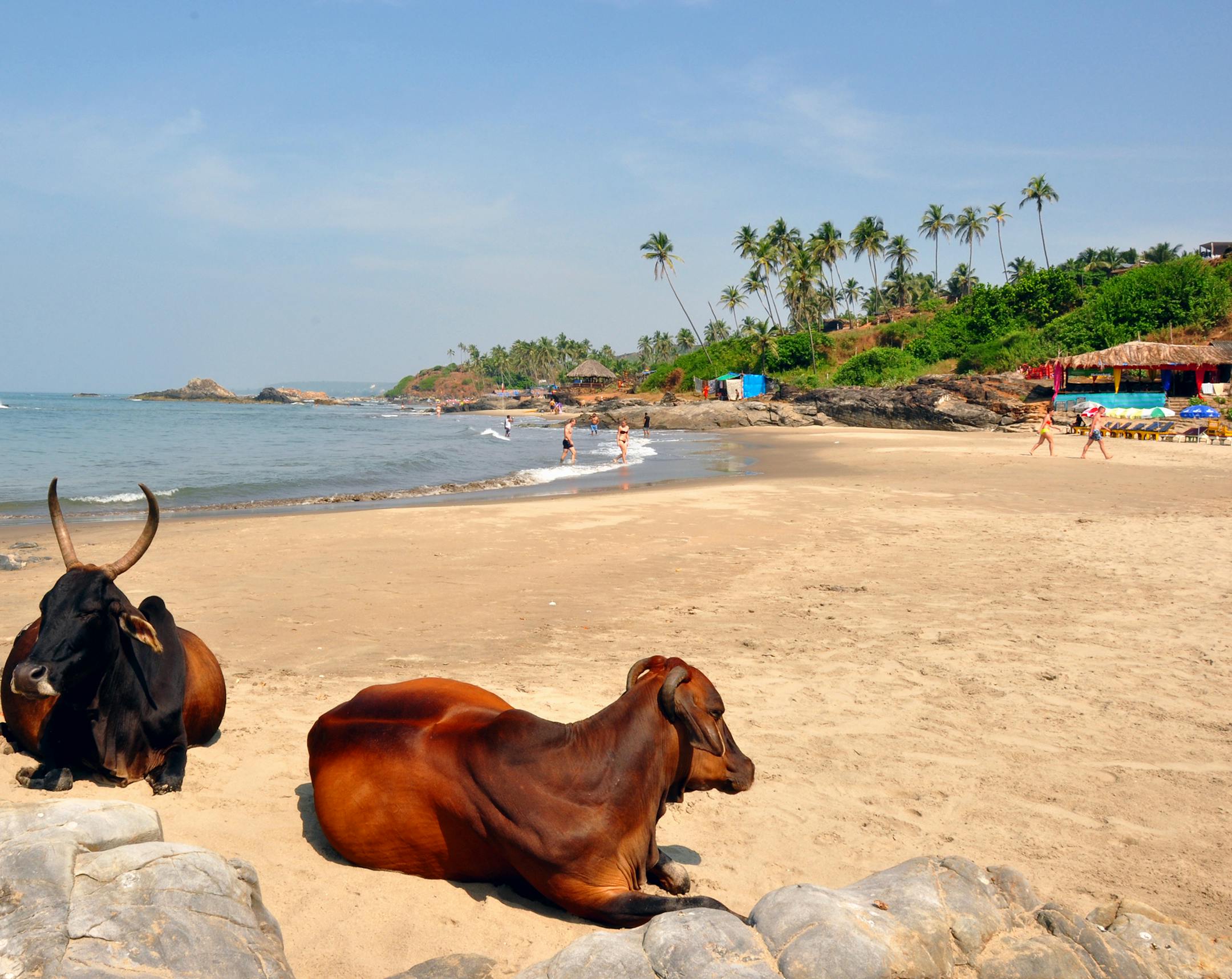
"No fighting about religion in Goa," called our driver over his shoulder as we bounced down a rutted road to the beach in this tiny state in southwest India.
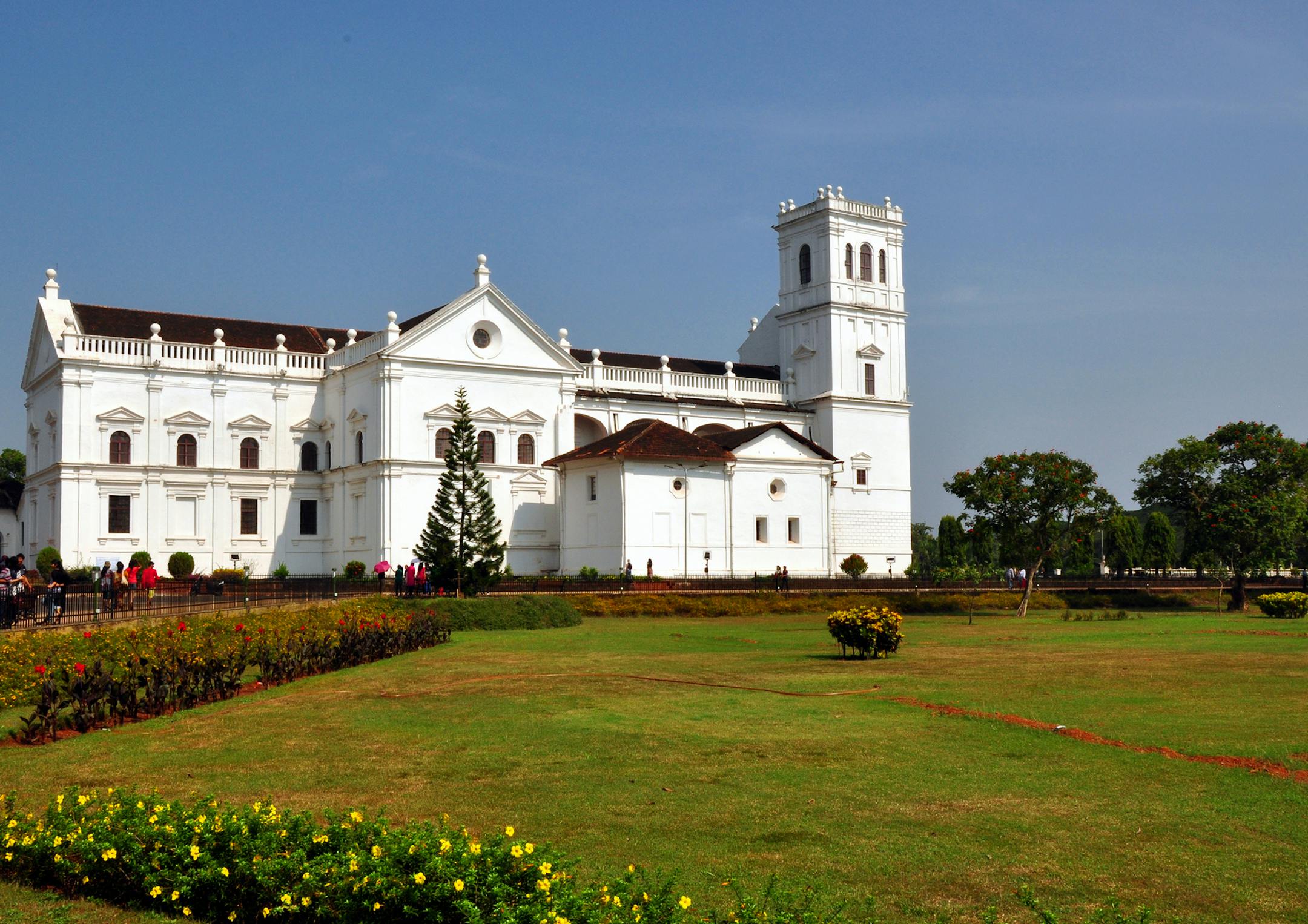
We'd remarked about the number of churches we'd seen during our stay — a whitewashed steeple in what seemed like every village — and wondered how Christians fare in a country that's 80 percent Hindu, 13 percent Muslim.
His answer echoed what others had told us: no problem.
In a world where sectarian violence flares sporadically, Goans get along.
"I invite my neighbors for Christmas, and I go to their houses for Diwali," said Shailesh Pai, a longtime resident.
Christians — 35 percent of Goa's population — place crosses outside their homes, said Pai, and often share a common wall with Hindu dwellings where carved stone planters grow tulsi, or holy basil, in the front yard. Stars come out on Christian houses in December; colorful paper lanterns hang from Hindu homes during the festival of lights.
But religion isn't the only way Goa differs from the norm in India. Even in a nation known for diversity, Goa stands apart. Residents refer to themselves as Goan, not Indian, as if they live in another country.
Not that long ago, they did.