

Opinion editor's note: Editorials represent the opinions of the Star Tribune Editorial Board, which operates independently from the newsroom.
•••
Penalties for taking a life ought to reflect the seriousness of the crime — even when the perpetrators are young.
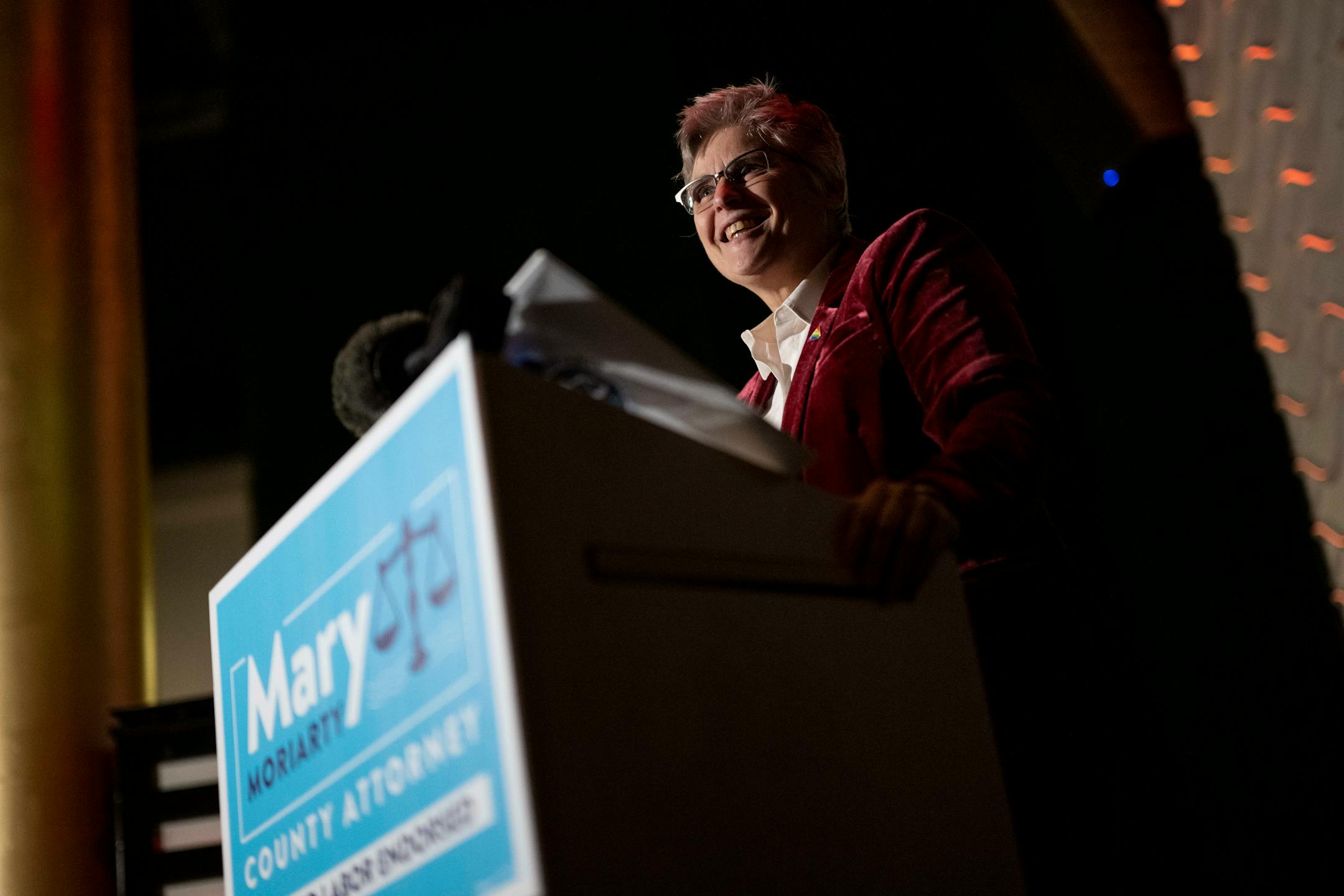
That's why there's been so much criticism of the flawed but not necessarily surprising decision Hennepin County Attorney Mary Moriarty made in a recent case involving juveniles who allegedly shot and killed 23-year-old Zaria McKeever during a home invasion in November. Moriarty, who won election last fall while pledging criminal justice reform, offered a juvenile plea deal rather than seek an adult court conviction for two minors charged with murdering McKeever.
Prosecutors had originally moved to certify John Kamara, 17, and his 15-year-old brother as adults so they could stand trial for second-degree murder alongside Erick Haynes, the 22-year-old man suspected of orchestrating the break-in. But last month, Moriarty's office abruptly changed course, offering the teens a chance to avoid lengthy adult prison sentences in exchange for testifying against Haynes. Kamara took the deal, while his brother has yet to accept it.
Despite pleas from McKeever's family, last week Hennepin County District Judge Tanya Bransford approved the plea agreement, which will result in an 18- to 24-month sentence at the juvenile correctional facility in Red Wing and probation until Kamara's 21st birthday. Bransford said the law required her to approve the deal because both the prosecution and defense agreed to the terms.
The victim's family and some community activists wanted a stronger penalty. But Moriarty took over the office in January and changed the earlier decision. That reversal prompted a protest from Leah Erickson, the assistant Hennepin County attorney who had spent months pursuing criminal charges against the teens, who told McKeever's family that she voluntarily removed herself from the case.
Moriarty told an editorial writer that her decision was in the best interest of public safety. She pointed out that research shows that kids certified as adults have high recidivism rates. With a goal of "treating kids like kids," she argues that research also suggests that a mind is not fully formed until age 25.


