

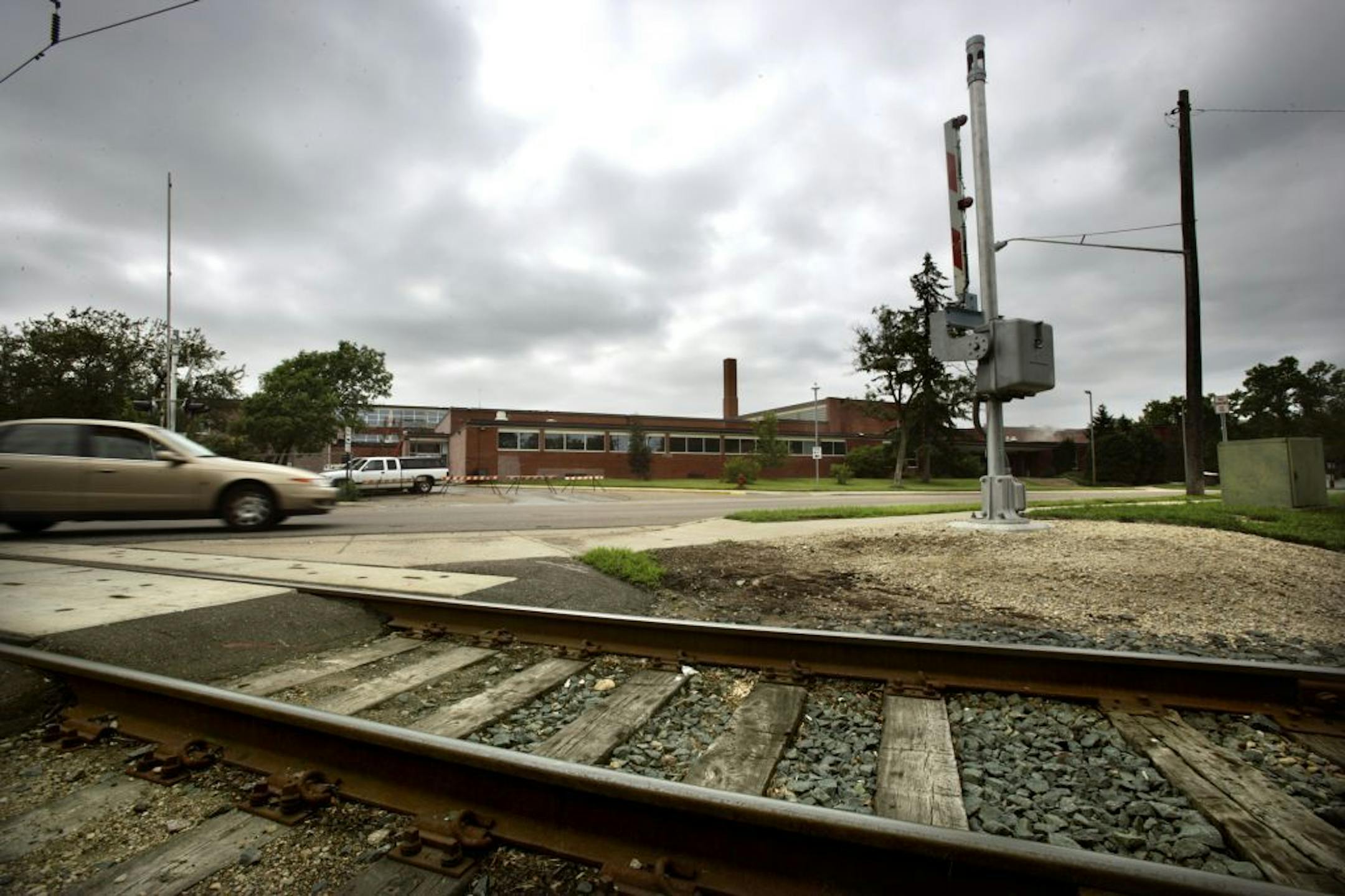
Jami LaPray's St. Louis Park neighborhood is a sort of side street for trains that roll by twice a day. But she fears it could become a busy freight train highway if the Southwest Corridor light-rail line sends triple the number of trains through her city to make room for light rail in Minneapolis.
"They're asking us to give up a lot so the rest of Hennepin County can gain a lot," she said. "People are very concerned."
Her group is rallying residents to oppose moving trains that now go through Minneapolis' Kenilworth corridor to St. Louis Park's MN&S tracks to accommodate the Southwest Light Rail Transit (LRT) -- a line that will go through Minneapolis, St. Louis Park, Hopkins, Edina, Minnetonka and Eden Prairie. While the group, Safety in the Park, supports light rail, it opposes rerouting trains and now hopes to sway the Metropolitan Council.
Just 35 feet from those tracks is the high school, where about 50 residents met Saturday to discuss the plan. They say more freight trains will add noise, disruptive train vibrations, heightened risk of derailments, decreased property taxes and dangerous crossings. Trains, they say, should stay next to light-rail tracks.
"That's the easiest, safest and quickest way to get light rail in our community," said Thom Miller, co-chair of the group. "If you support LRT, then you should oppose the reroute."
Mayor Jeff Jacobs, though, said he's focused on preparing his city for added freight train traffic. While he opposes the reroute, ultimately he'll support it if it's what the Met Council approves. "The decision frankly rests with the Met Council," he said. "It's like being opposed to winter -- you can oppose it, but it's coming."
'A catastrophic mistake'
Saturday's meeting comes ahead of this month's three public hearings on the draft environmental impact study released last month. The report says moving freight traffic would cause "severe noise impacts ... due to the freight locomotive horn noise" at crossings and nearly 500 residential units would experience significant vibration from trains. But, it said, benefits would outweigh potential adverse effects.


