

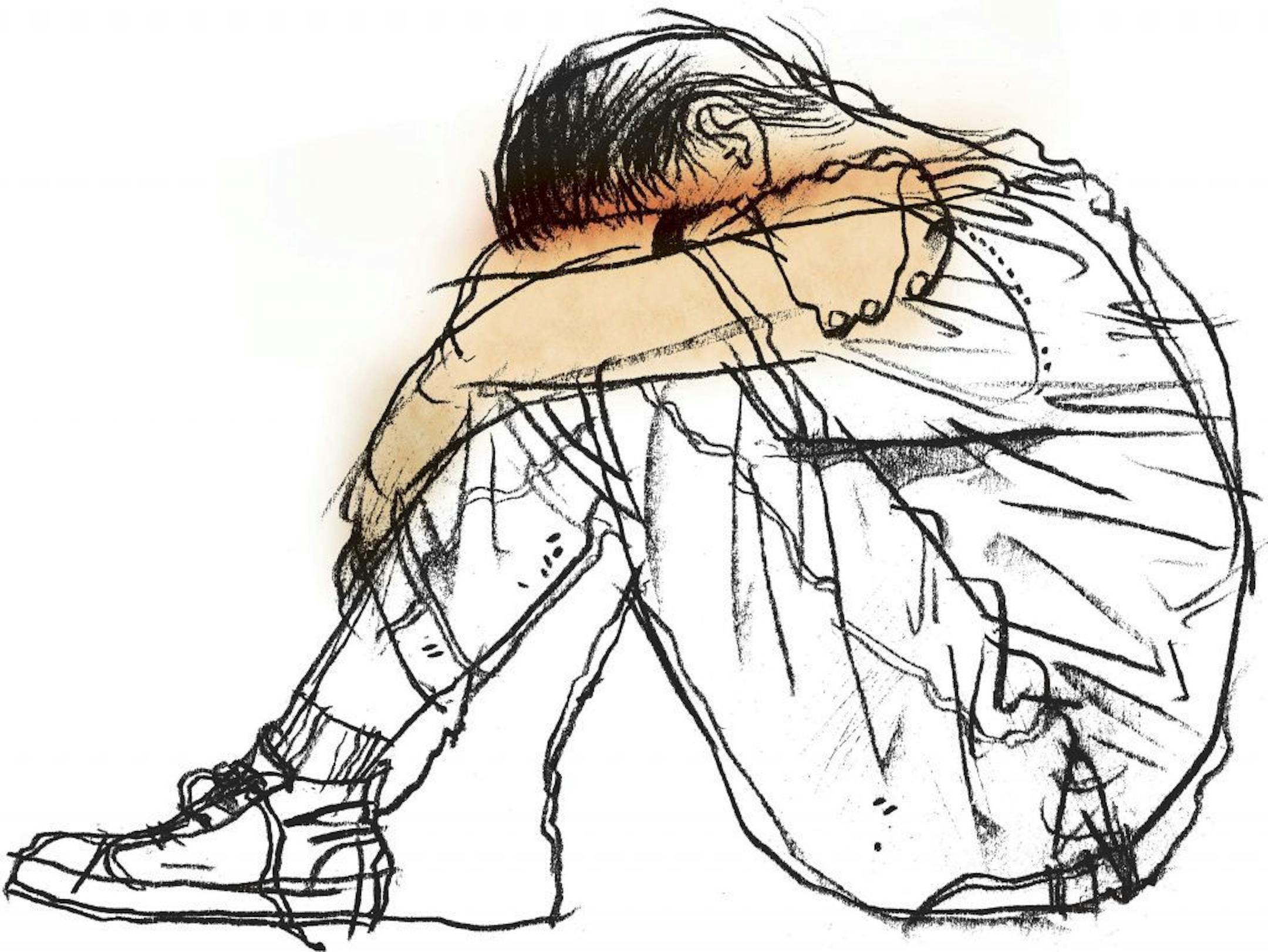
Sam Savage finds that his sorrow has subsided a bit.
"It's become more bearable. My appetite is back and I can sleep through the night again. But it's still there," said Savage, 27, of Minneapolis. "Time heals, but a death, particularly a suicide, you carry with you."
Savage's brother Jack, 24, killed himself in April after struggling with depression.
The family didn't want flowers for Jack, whom they describe as artistic and kind. Instead, they used Jack's obituary to ask for memorial donations to NAMI, the National Alliance on Mental Illness.
"Putting in that NAMI request let people know," said Savage. "My family didn't feel like we needed to hide the suicide. It's silly to lie. If the family is open about it, then everyone else can be. It helps all of us."
By its very nature, a suicide is shocking and sudden. And it has almost always been shrouded in euphemism or outright deceit. Even family members and close friends may not be told the painful truth. But more families are choosing to acknowledge when suicide is the cause of death.
"We've seen quite an increase in suicide being included in obituaries in the past two or three years," said Sue Abderholden, executive director of NAMI Minnesota. "Until very recently, it was unheard of. It's important because families get support when they say it. We encourage it."
Dan Reidenberg, a psychologist and executive director of SAVE, a suicide prevention organization based in Bloomington, said that acknowledging suicide can do even more than help surviving relatives and friends.


