

![Amy Olson on the sledding hill with kids from the Lake Cornelia neighborhood during the sledding party earlier this month. ] JEFF WHEELER ï jeff.wheeler@startribune.com Lake Cornelia, one of the newest official neighborhoods in Edina, held its first ever sledding party for neighbors at Arneson Acres Park Sunday afternoon, February 11, 2018.](https://arc.stimg.co/startribunemedia/2YX5AO5D73XM7PC4ZVRXSNPWT4.jpg?&w=1080)
In Edina, kids from the Lake Cornelia neighborhood are blazing down a park hill during their first-ever sledding party. In Brooklyn Park, families in the Trinity Gardens neighborhood are carving out a day in June to loop around their treasured park trail together.
And in Bloomington, an appetite is building across cul-de-sacs and subdivisions for something new in town: official neighborhoods, with boundaries and hand-picked names.
Don't let the sprawl or car culture fool you. The homes may be farther apart, but a growing number of suburbs are looking to neighborhoods as a way for residents to connect with each other.
"We're defining, not dividing," said Curtis Griesel, a computer scientist working to form neighborhoods in Bloomington. "It's all about defining who we are."
Neighborhood identity is a common way of life in St. Paul and Minneapolis, where some neighborhoods date back more than 100 years. They have nonprofit status and receive millions in annual funding. Some even have paid staff members.
Suburban neighborhoods are budding in comparison. Elected officials point to St. Louis Park as an early adopter of the suburban model, first recognizing formal neighborhoods in the mid-1990s.
"Our neighborhoods … are foundational to the success and strength of the community," St. Louis Park City Manager Tom Harmening said. "It's really just become a way of life here."
One by one, neighborhoods are popping up in places like Edina and Brooklyn Park and taking cues from St. Louis Park, though with smaller purses and powers than those in the urban core. Neighbors are hosting parties, picking leaders, passing around petitions and showing up at City Hall to speak on issues that may affect them.
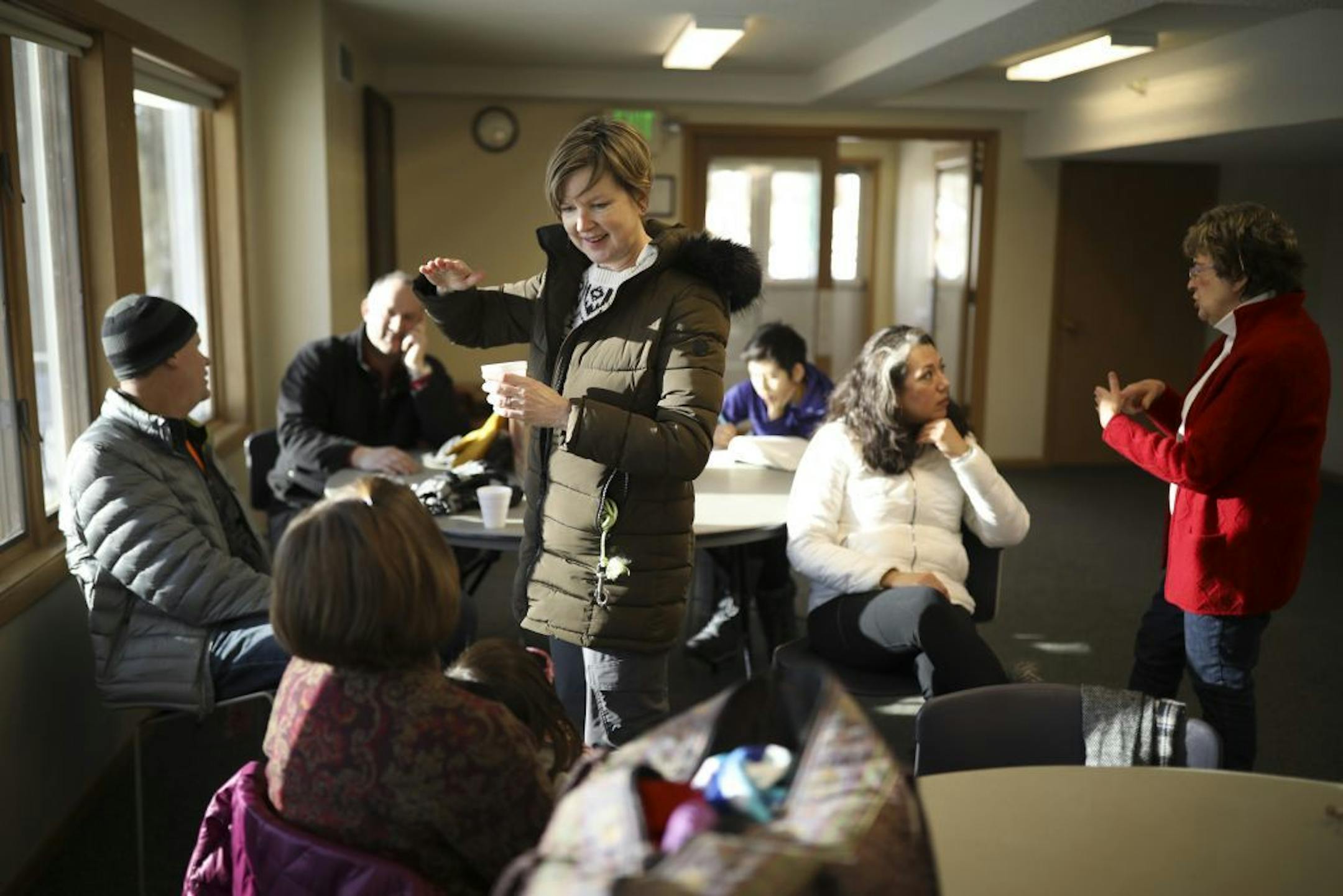
![Stanley Wu visited with Nora Davis at the Lake Cornelia neighborhood sledding party Sunday afternoon. ] JEFF WHEELER ï jeff.wheeler@startribune.com Lake Cornelia, one of the newest official neighborhoods in Edina, held its first ever sledding party for neighbors at Arneson Acres Park Sunday afternoon, February 11, 2018.](https://arc.stimg.co/startribunemedia/7AEEMCXSYGVPSHAQHKNWIAPV24.jpg?&w=1080)


