In Arkansas, a preparatory school won the past four state football championships in its class led by a coach who doesn't punt on fourth down, does onside kicks at almost every opportunity and goes for nearly every two-point touchdown conversion.
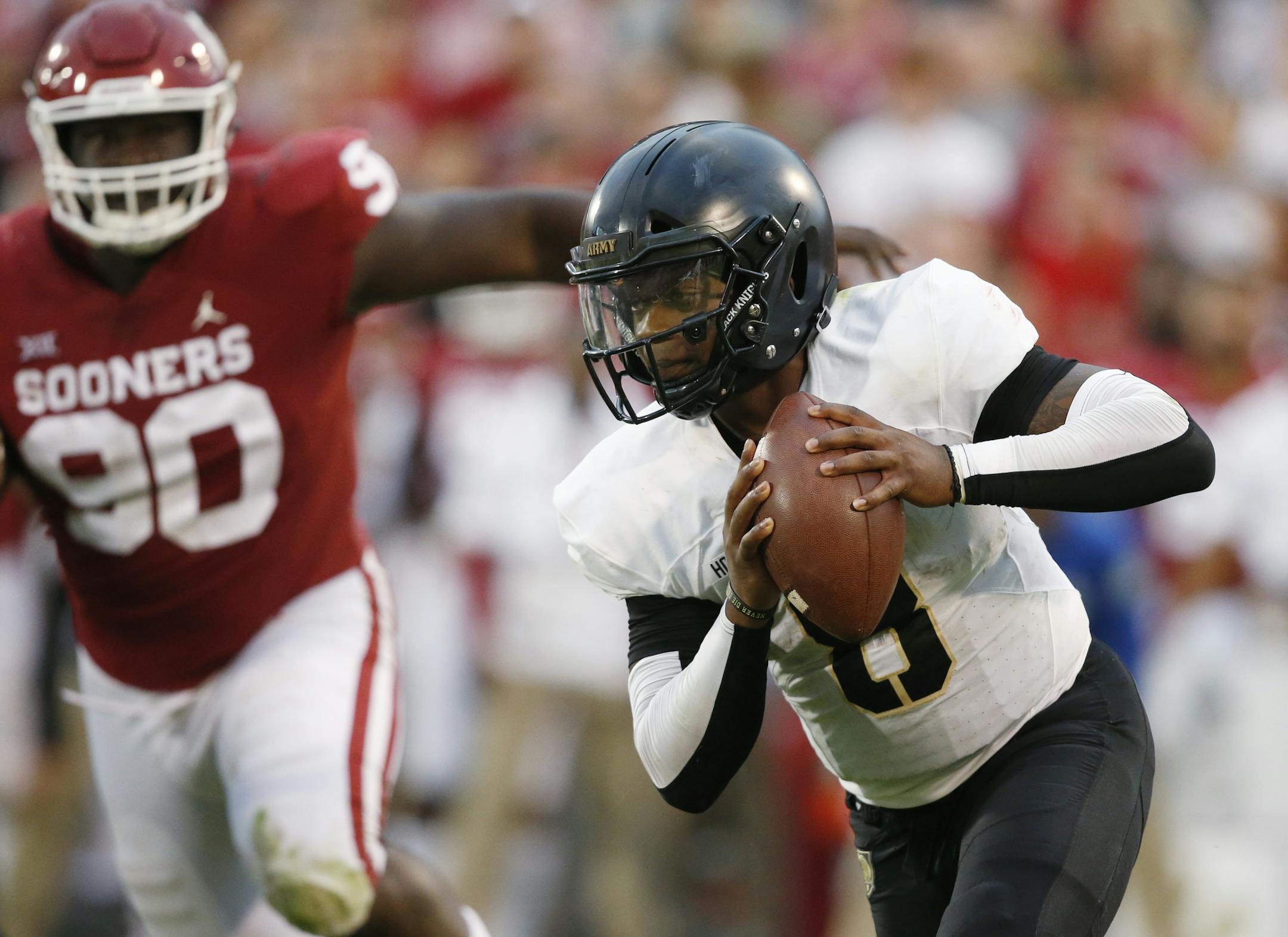
At West Point, Army has won its way back to respectability with a dependence on the running game and statistical analytics that make it college football's most likely team to go for a first down on fourth down. And it's working: The Black Knights have converted 88 percent of fourth-down plays.
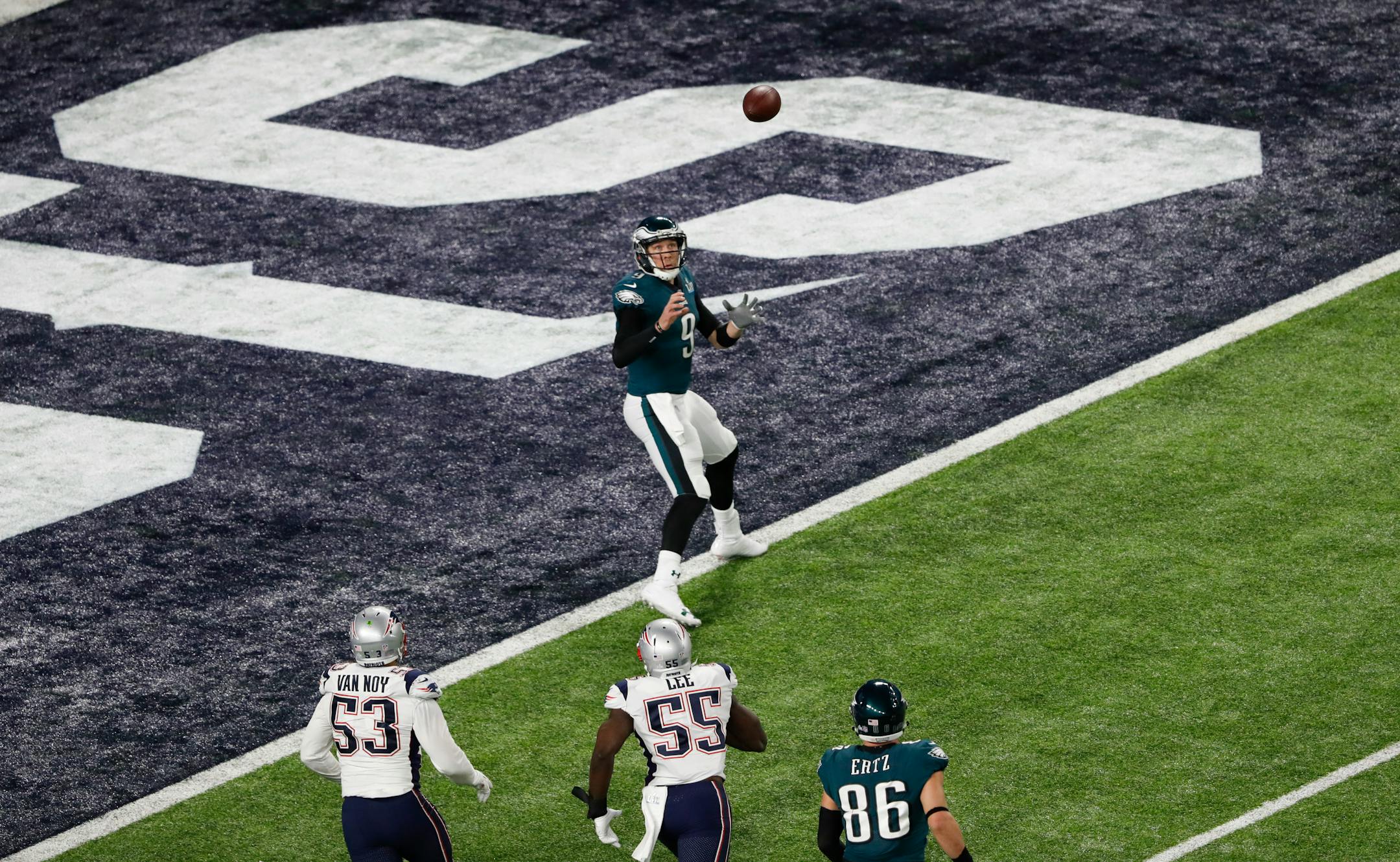
And in the NFL, Philadelphia coach Doug Pederson proved himself both bold and smart when he guided his Eagles to last season's Super Bowl title, while again leading the league in fourth-down attempts. This season, undefeated Los Angeles Rams coach Sean McVay is trying to take Pederson's place with a decisionmaking philosophy he calls "aggressive."
The math long has said coaches skew too conservative — according to fourth-down probability and win probability logic — in a game where conventional thinking and fear of being second-guessed have weighed heavy for so long.
"Go for it" has never been a more common call, seemingly at all levels. Deep dives into stats show some NFL coaches have reconsidered the concept of risk. The Vikings' opponent Sunday night, the New Orleans Saints, have converted seven of their eight fourth-down attempts this season.
The crunched numbers say going for it on fourth down is advisable in many occasions, including fourth-and-10 on your opponent's 40-yard line when a long field goal's odds are just that and pinning the opponent deep in its own territory with a punt isn't guaranteed.
Or even on fourth-and-1 inside your own 10, now that the math values maintaining ball possession over cherished field position.
Few, if any, coaches would "gamble" in such a situation, but sheer statistics say chances to succeed by keeping the ball — instead of punting and allowing the opponent near scoring range — are the better odds.
![Philadelphia Eagles quarterback Nick Foles (9) caught a 1-yard touchdown pass from tight end Trey Burton on fourth down during the second quarter of Super Bowl LII. After the extra point, it gave the Eagles a 22-12 lead, which stood at halftime. ] ELIZABETH FLORES ï liz.flores@startribune.com The New England Patriots met the Philadelphia Eagles in Super Bowl LII Sunday evening, February 4, 2017 at U.S. Bank Stadium in Minneapolis.](https://arc.stimg.co/startribunemedia/PANY5WVJAUR2WOVQCXKQC4N7SQ.jpg?&w=1080)