

Opinion editor's note: Editorials represent the opinions of the Star Tribune Editorial Board, which operates independently from the newsroom.
•••
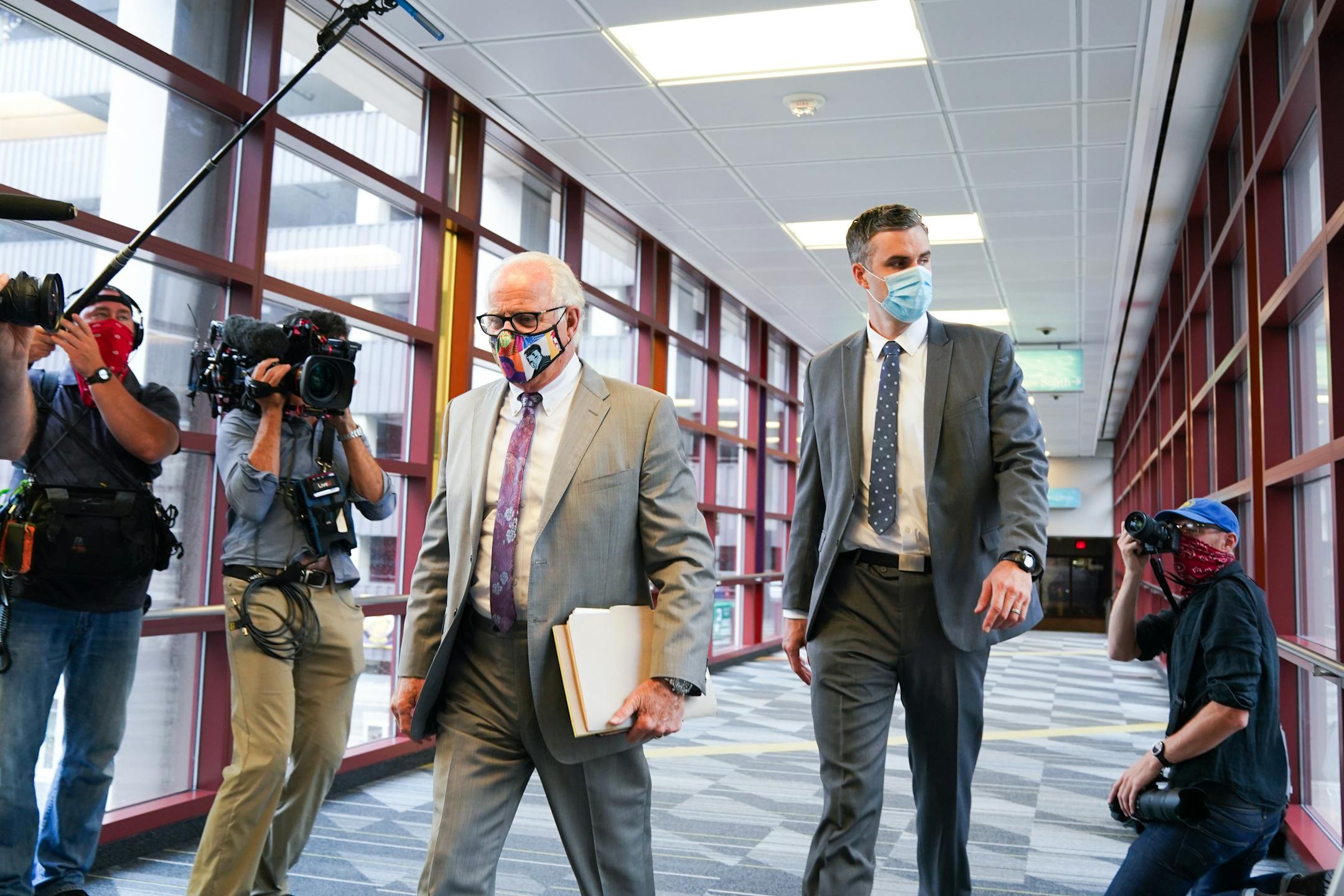
Thomas Lane, a former Minneapolis police officer on trial for aiding and abetting the death of George Floyd at the hands of a fellow officer, pleaded guilty in the state case on Wednesday, rightly acknowledging his responsibility in Floyd's murder and accepting a sentence of three years in prison.
Lane was one of four cops on the scene that day when then-officer Derek Chauvin knelt on Floyd's neck for nine minutes, murdering him as a crowd watched. Lane held down Floyd's legs while former officer J. Alexander Kueng restrained his midsection. Former officer Tou Thao prevented bystanders from interfering. Lane, who was in his first week on the job, asked Chauvin at the time whether Floyd should be rolled onto his side, but Chauvin, the senior officer on the scene, signaled no.
Lane, Thao and Kueng were convicted earlier this year in federal court of violating Floyd's civil rights, resulting in his death.
Lane's guilty plea is an important development in the events that have unfolded after Floyd's death. Minnesota Attorney General Keith Ellison told an editorial writer that "whenever you acknowledge wrongdoing, it starts the process of healing. We all do things we wish we could take back. The way forward is to acknowledge responsibility."
By contrast, Chauvin, who was sentenced in April to 22 ½ years in prison, is appealing his murder conviction, arguing that protests and publicity influenced jurors' judgment. This is despite the fact that Chauvin is seen on video squeezing the life out of Floyd a minute at a time.
Ellison said that makes Lane's admission even more important because it acknowledges a simple yet powerful truth: "If you are a peace officer, you may have to intervene on a colleague who is not upholding the high standards of the badge," he said. "This plea reinforces the idea that simply saying 'I was following orders' is not going to be OK." The real test, of course, will come the next time an officer encounters such a situation, but, Ellison said, "this is an excellent way to start building a new and better culture."


