When I was 12 years old, many years ago, I collected butterflies. That required a killing jar. A drugstore in downtown Robbinsdale, four blocks from our house, sold me the essential ingredient: chloroform, several ounces in a tin bottle.
I needed a sprinkle of chloroform on a dab of cotton in a fruit jar. With that, my net, and a handful of cookies I would ride my bike into the wilds of New Hope. It was mostly empty land, farmed, or gone to weeds and wildflowers.
That is where I hunted, my prey to meet their end in the jar.
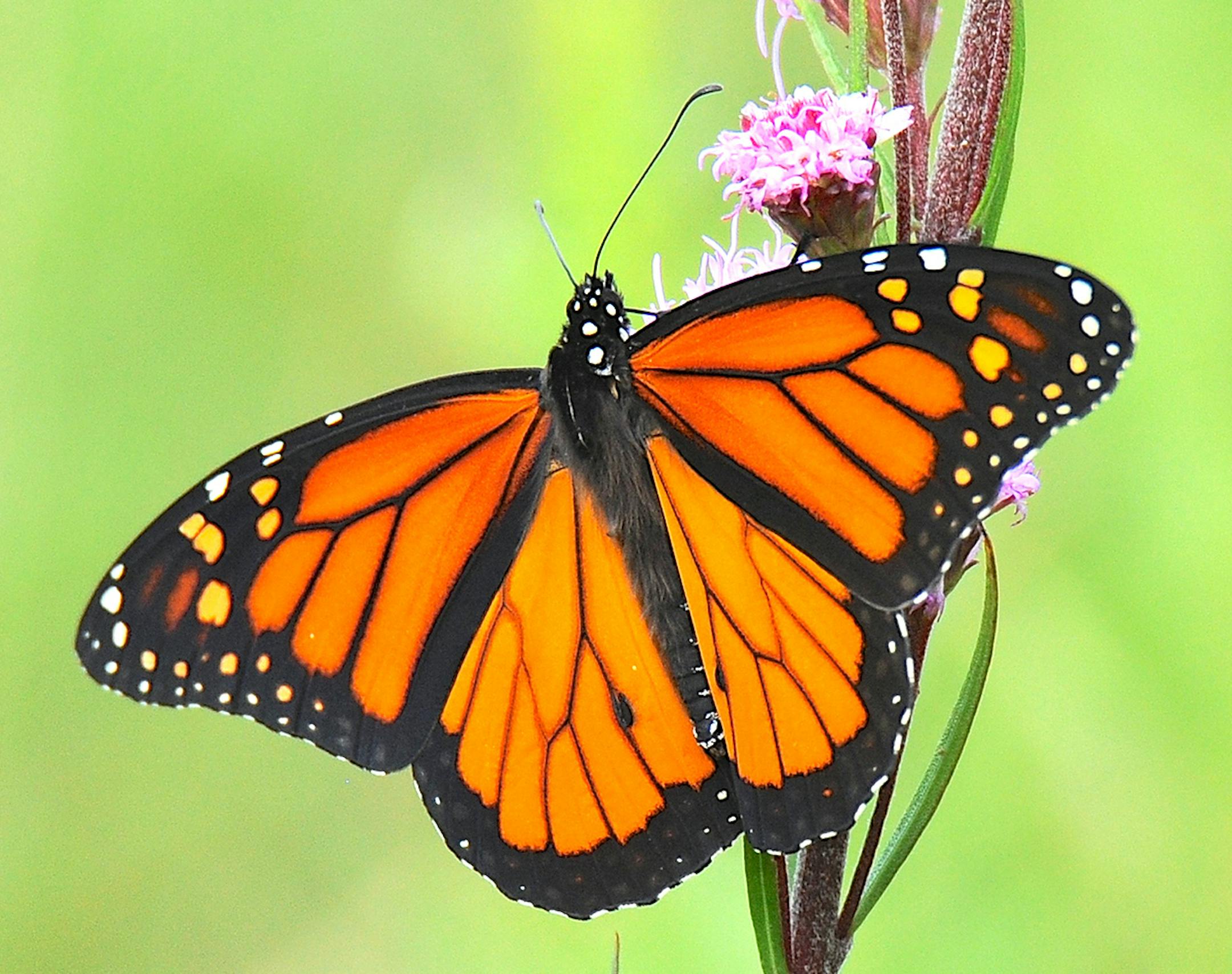
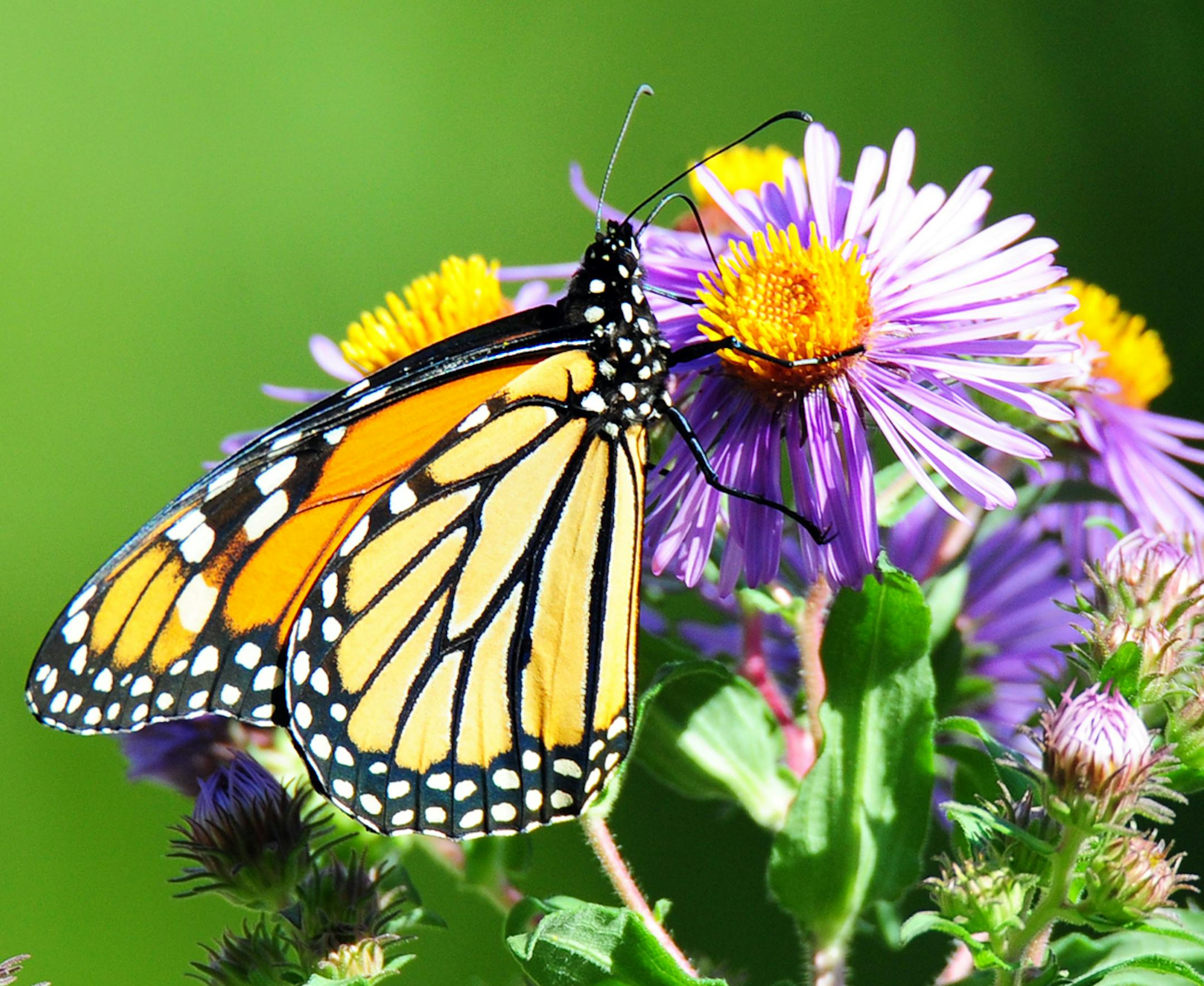
I'm certain that monarchs were trophies of my hunt. Monarch butterflies are a worldwide species, with a 65-million-year history. A worthy trophy.
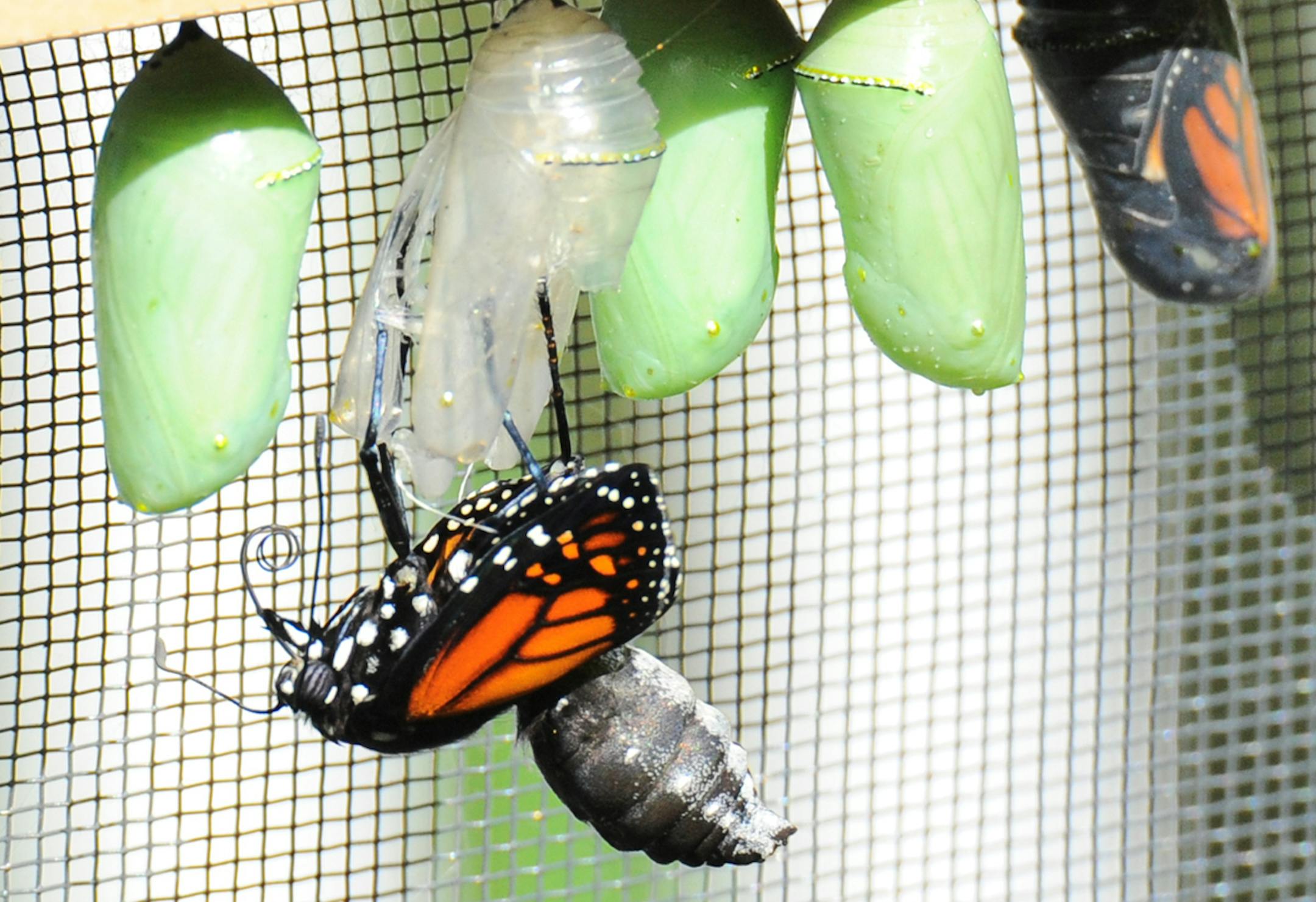
History was flipped in early September when I became babysitter for three monarch caterpillars and 42 monarch chrysalises (not cocoons), all in a large screened box. I was charged with their care by three grandchildren, the collectors. The kids were going to the lake.
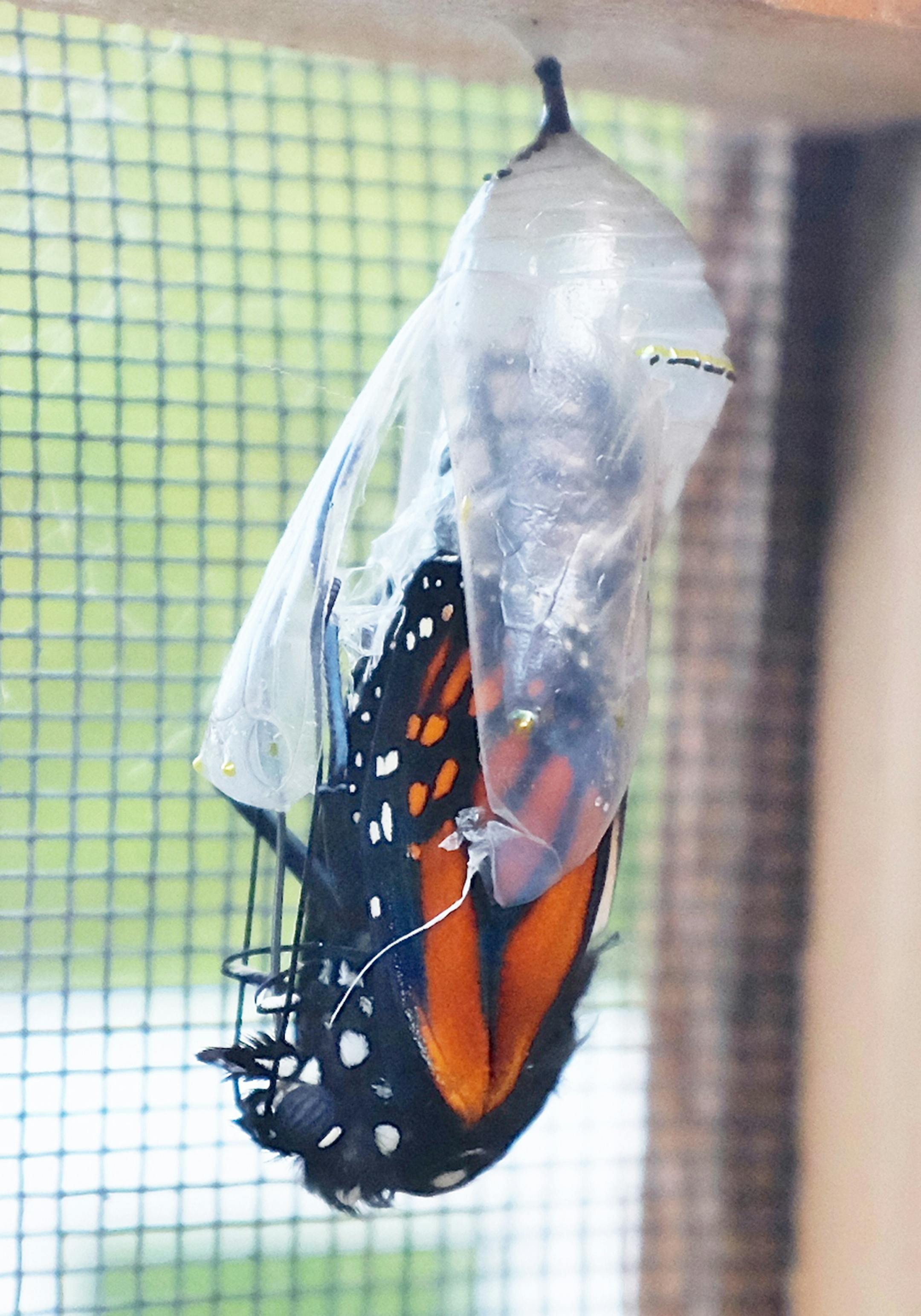
I watched 10 butterflies emerge from chrysalises during the time I babysat.
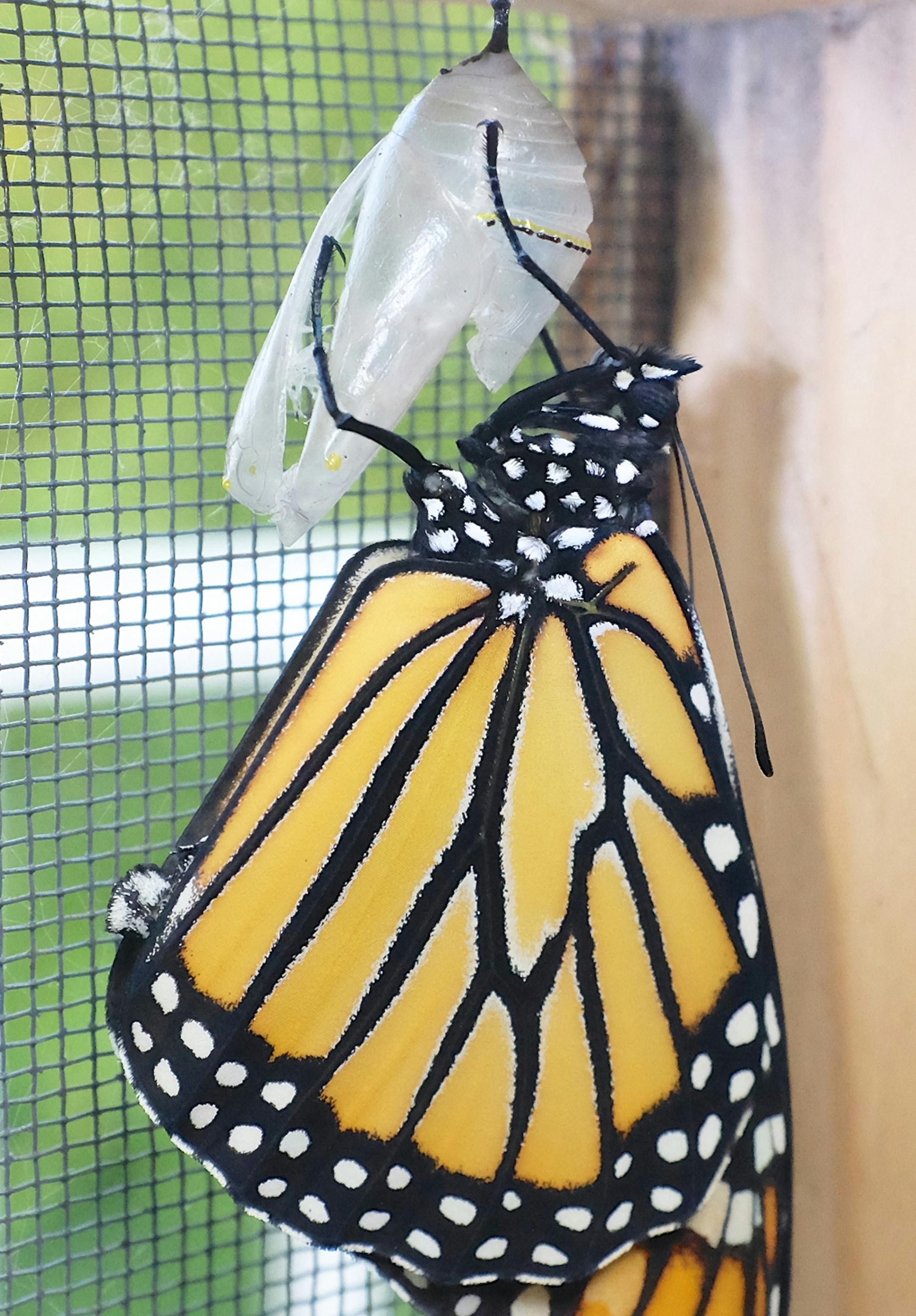
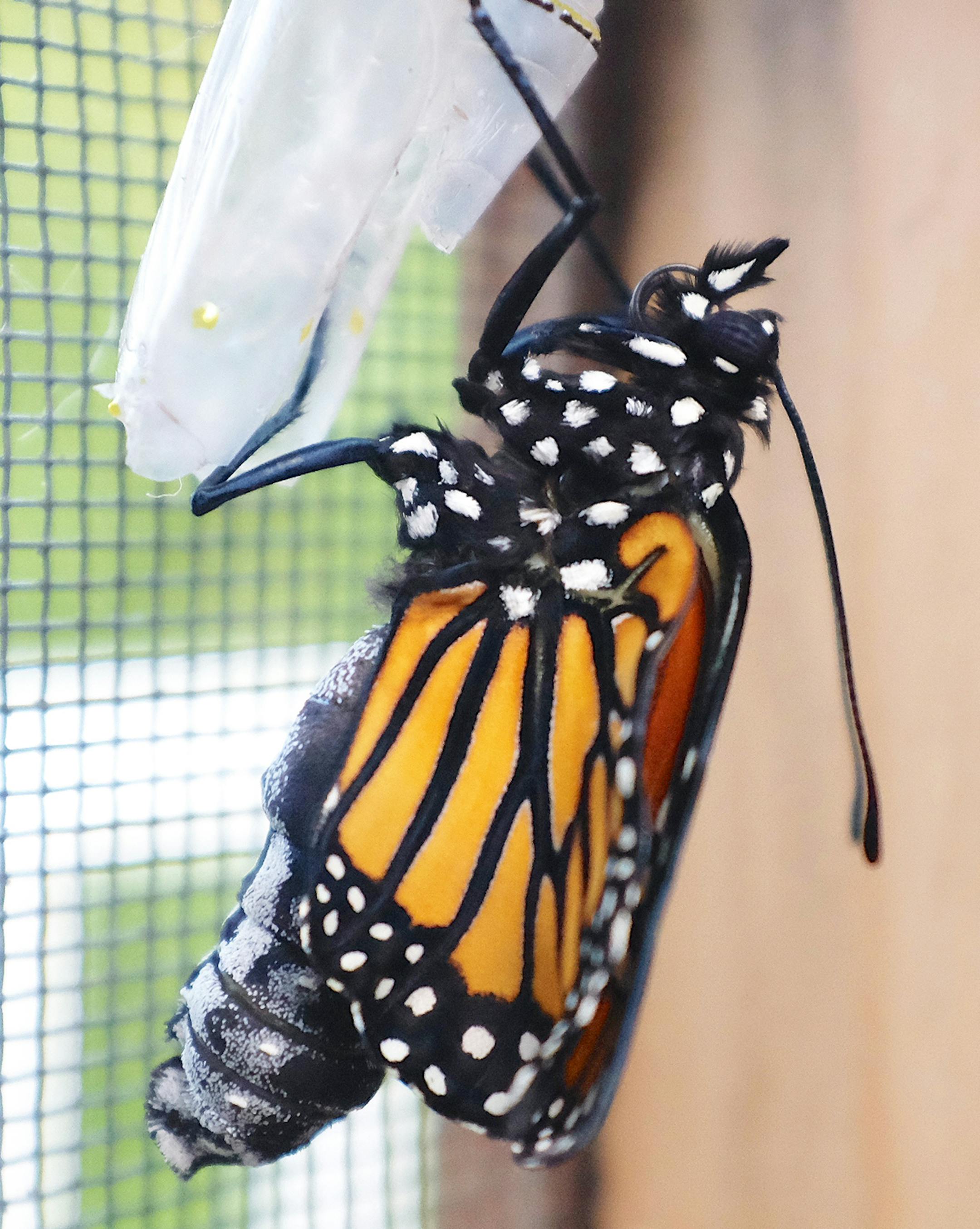
They appear folded like card tables. Wings and legs are tight to a bulbous torso. Wings and legs extend as the butterfly hangs on the shreds of its cradle. The torso lengthens. Fluid is pumped through special veins to stiffen wings.
The monarchs take an hour or two to dry thoroughly, then fly away.