

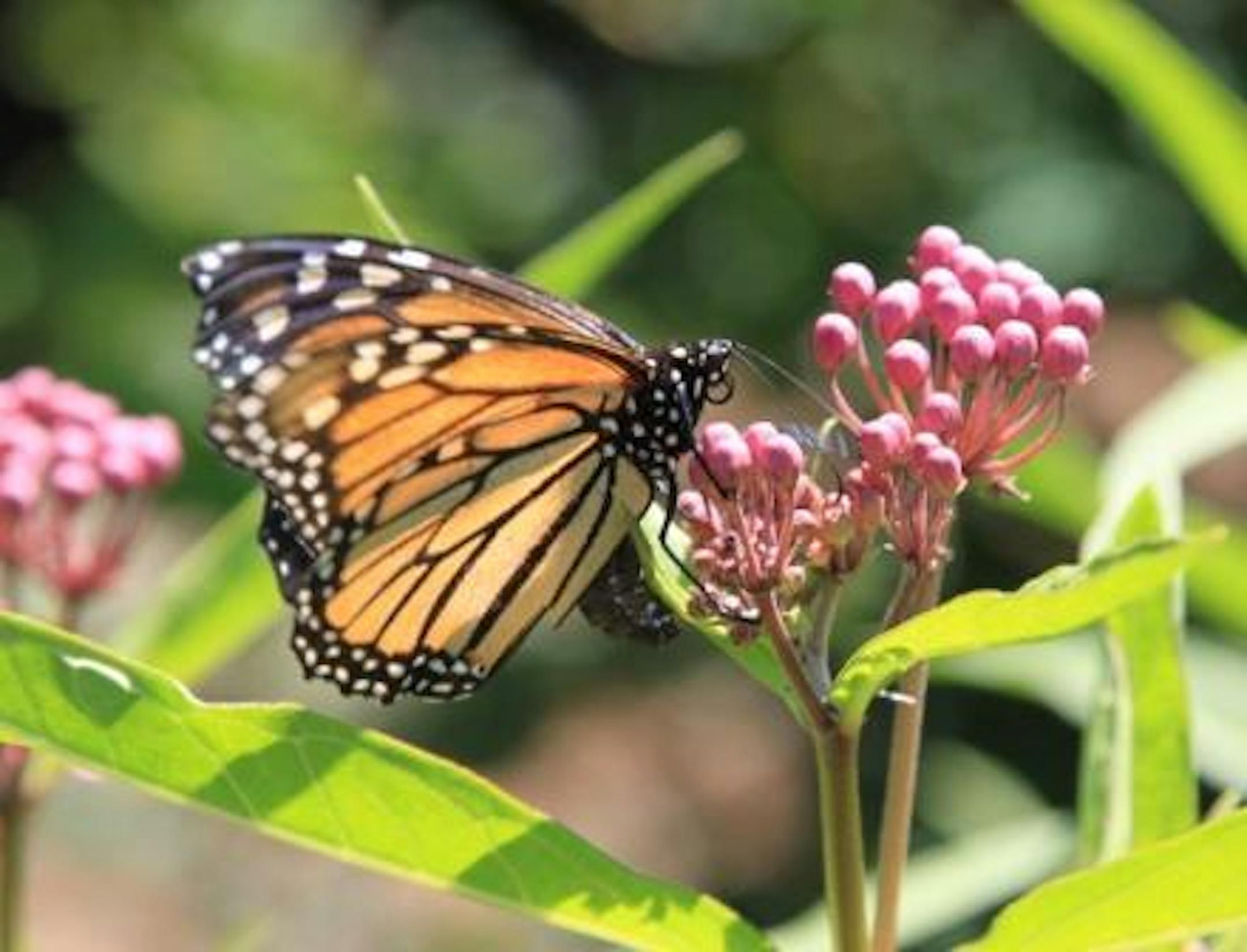
Maybe you've noticed. Monarch butterflies seem to be fluttering everywhere, after a period of years where we were lucky to see one or two in our gardens the entire season, suddenly they're filling the air with their brilliant color. Warm summer temps and abundant rainfall that translated into lush plant growth have helped the numbers greatly this season. That's the good news.
Still these magnificent creatures are struggling. While some butterfly species migrate short distances following food supplies, the Monarch is the only butterfly that makes a true migration covering thousands of miles. Monarchs overwinter in two areas; western residents to the California coast and those east of the Rockies to a specific mountainous forested area of Mexico, returning when temperatures moderate again.
Negative factors facing them are climate, weather (they are two different issues), predation and habitat loss and fragmentation. That's the usual bad news, but even worse, this past year horrendous storms in their overwintering grounds in Mexico decimated their population like never before. It may be years before we know if they can come back from this catastrophic event.
That's why it's so heartening to see so many of them floating and dancing above the flowers in my garden this year. Enjoy the photos and then see suggestions as to how you can help the Monarch.
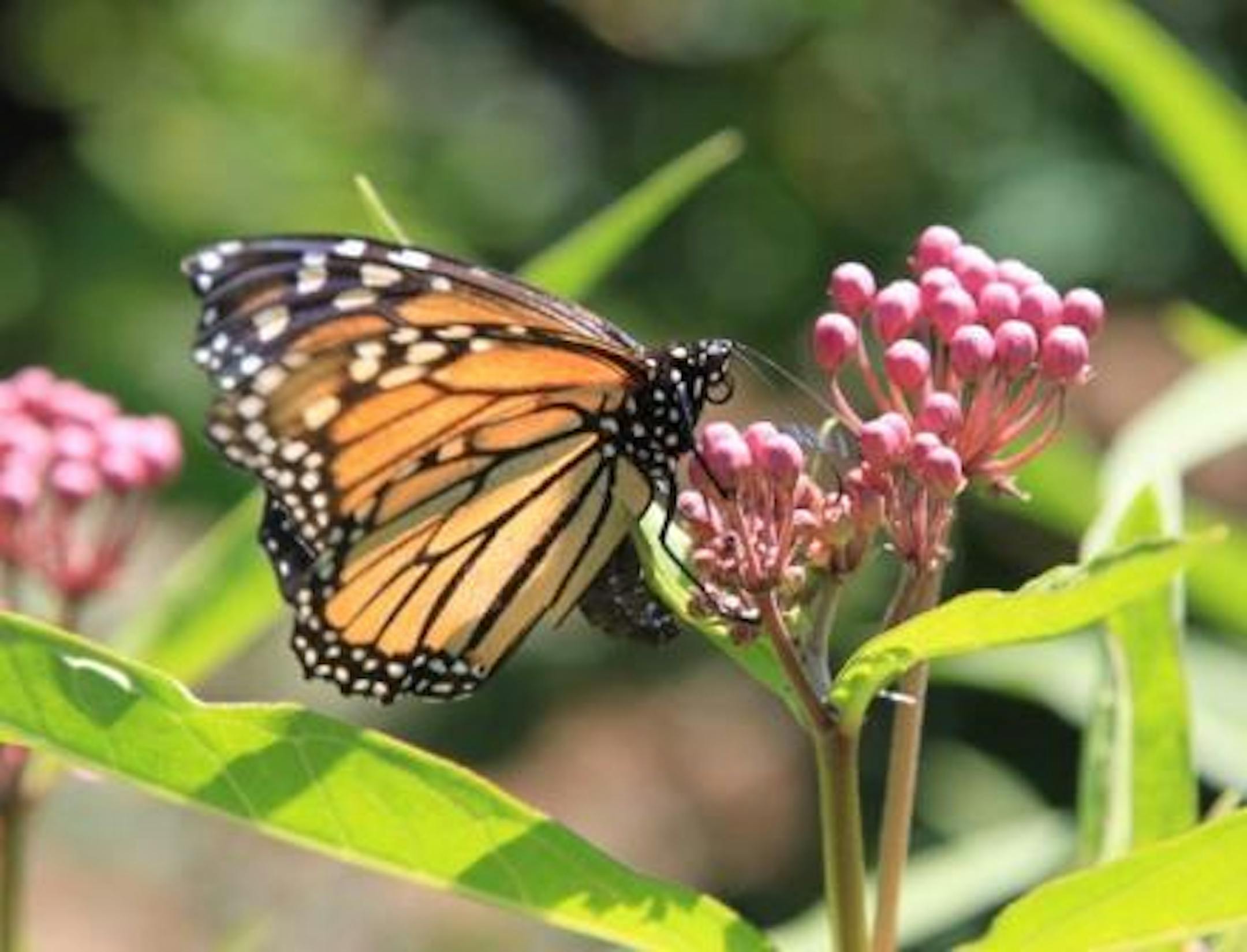
Monarchs lay eggs on milkweed in my garden; the only plant their larvae (caterpillars) can eat. This is considered a larval host plant.
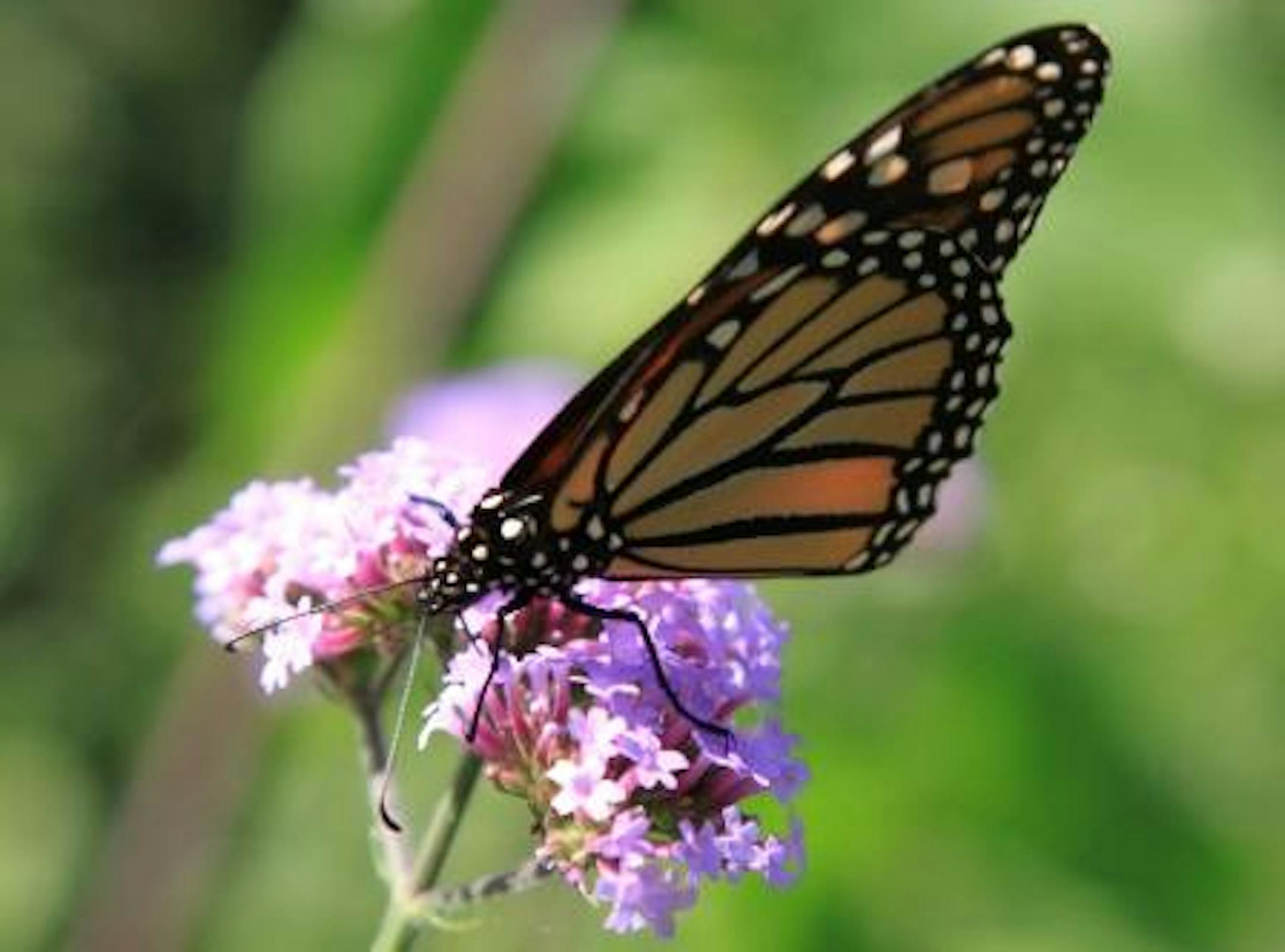
Monarchs depend upon nectar plants, both annual and perennial to sustain them through summer and then on their migration. The butterflies actually gain weight as they make the arduous journey, these fat stores help them to stay alive as they cluster together through the winter.
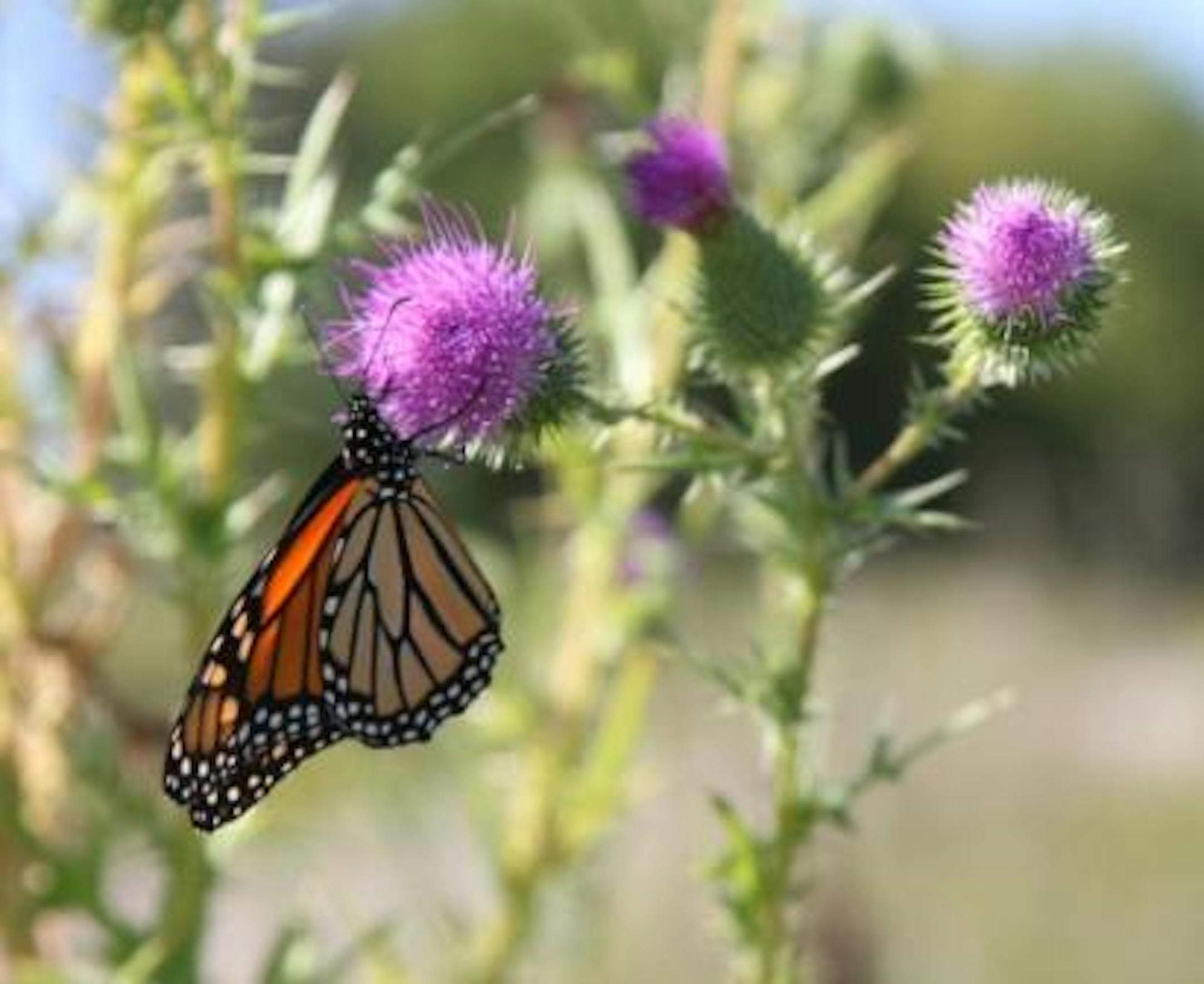
Development of wild areas is a major reason for habitat loss. Wildflowers are an important food source.
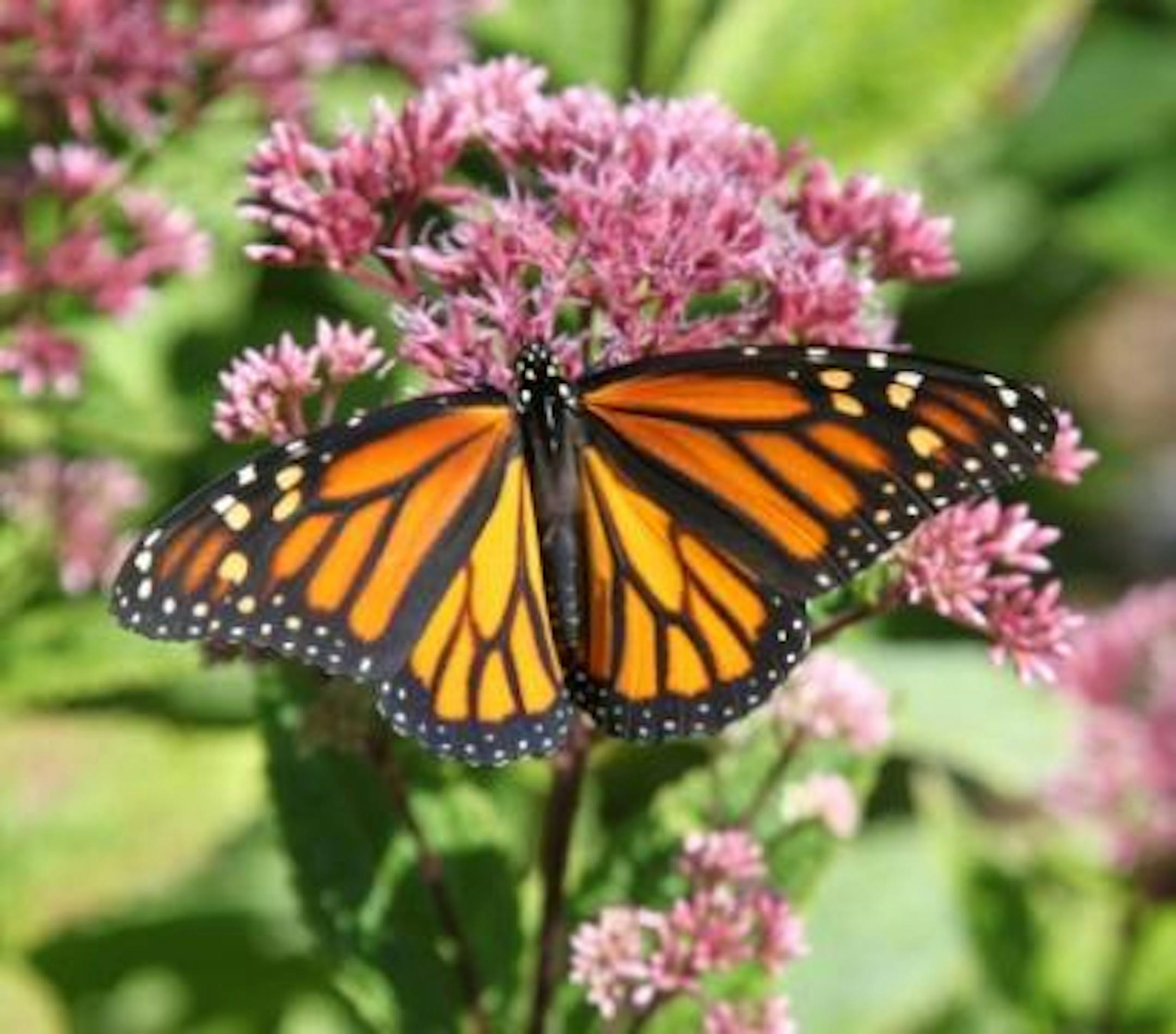
Monarchs swarm over native plants like Joe Pye Weed (Eupatorium).


