

Our kitchens may be killing us -- slowly. Not so much with radon or gas leaks, but with kindness and proximity.
When my 1840 Philadelphia row house was built for its seafaring owners, the kitchen was in the basement -- like every other home on the block. If the family wanted a hot meal, someone had to tramp downstairs and stoke up the fire.
Fire and smoke inhalation were chief among the many health hazards the 19th-century kitchen presented. In an era without refrigeration, food poisoning was a constant danger. Home-preserved foods filled in dietary gaps, but if stored improperly botulism became a real -- and deadly -- risk.
The widespread introduction of the icebox, around the time my house was built, led to big changes. Insulated iceboxes -- some of them fashionable furniture -- greatly extended the shelf lives of fresh foods. The electric refrigerator, with small but handy freezers, appeared in houses in the first decades of the 20th century. Ice block delivery by horse-drawn cart was no longer needed.
When safer natural gas and electricity entered our lives, kitchens moved from basement exile into the main area of homes. As part of an ambitious 1934 modernization, the previous owner of my Philadelphia house moved the huge gas stove upstairs and into its own small kitchen at the back of the house.
Similarly, the kitchen of my childhood home in Metuchen, N.J., was its own single-purpose dedicated room. Back then, when my family's evening meal was over (in our case, usually after 20 minutes of near-silent eating), our kitchen was declared "closed," its function complete.
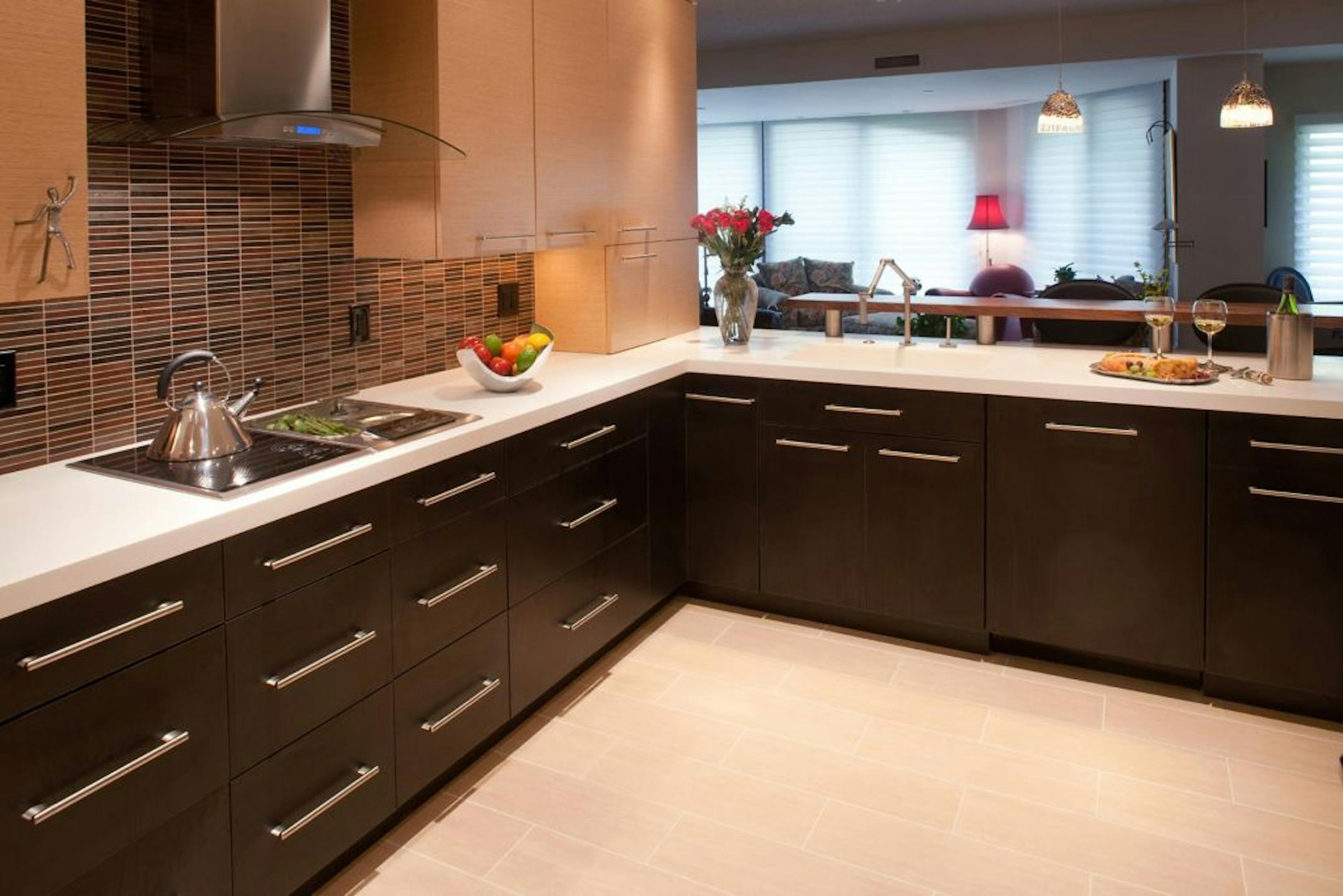
But now our kitchens, like our girths, have grown substantially, in terms of size and of function. They've become part of expansive entertainment complexes in our homes. A recent survey by the National Association of Home Builders reports that three out of four new-home buyers want their kitchen and family room to be a combined space.
That makes sense. People like to hang out and socialize in their kitchens. Now great spaces are full of wonderful, convenient devices -- with super-size refrigerators, stoves that could service a restaurant and large enough cabinets to store provisions for a small army. Even our dinner plates are bigger than they used to be. Comfy chairs, computer stations and a large-screen TV -- virtual necessities -- round out the picture.


