

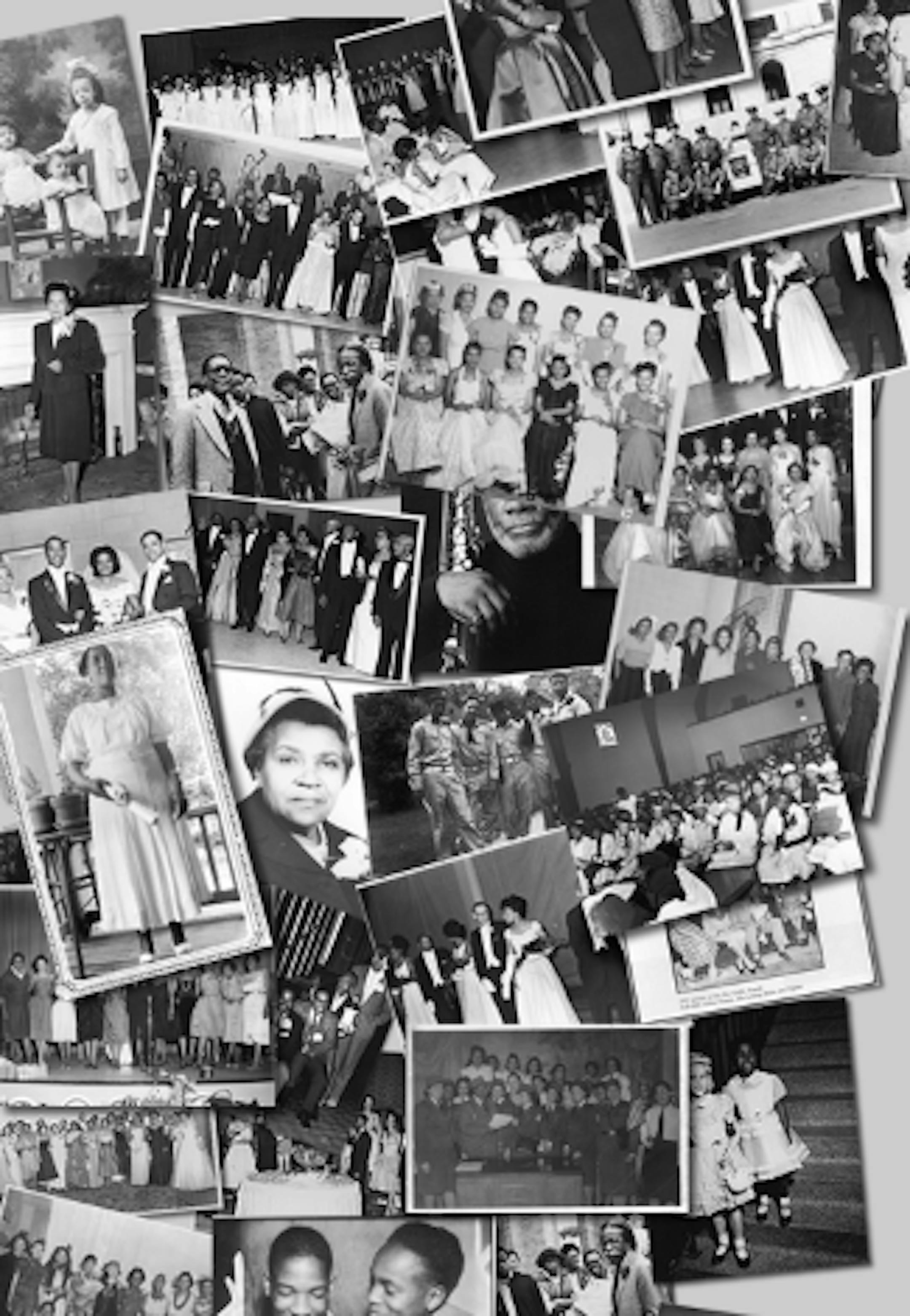
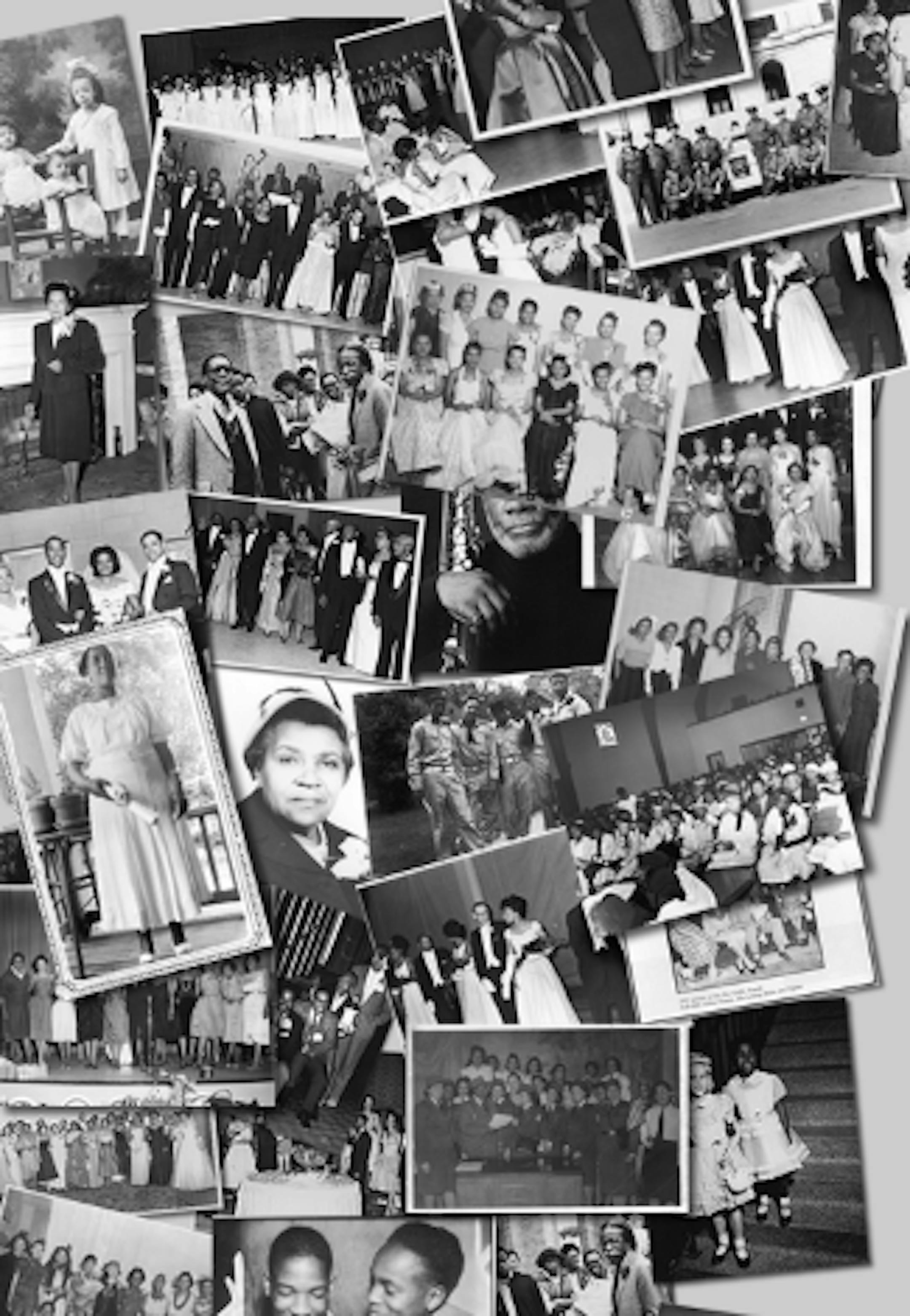
(Photo collage retrieved from www.RondoDays.com)
If you were researching the Rondo neighborhood in St. Paul, MN up until today you might have come across an article that read as follows:
Rondo Neighborhood & the Building of I-94
This predominantly African American neighborhood in St. Paul was displaced in the 1960s by freeway construction. In the 1930s, Rondo Avenue was at the heart of St. Paul's largest Black neighborhood. African-Americans whose families had lived in Minnesota for decades and others who were just arriving from the South made up a vibrant, vital community that was in many ways independent of the white society around it. The construction of I-94 in the 1960s shattered this tight-knit community, displaced thousands of African-Americans into a racially segregated city and a discriminatory housing market, and erased a now-legendary neighborhood.
While these work speak to the powerful history of Rondo it leaves readers with the impression that beyond the 1960s the Rondo community doesn't exist. Anyone from the Rondo community or from anywhere in the Twin Cities knows that this to be a frustrating untruth.
It was that frustration that compelled me to reach out to the Minnesota Historical Society in an effort to express my discontent. I had not considered the possibility of getting a response, I only recognized the truth that the wording I had come across on their website was misleading.
This is what I wrote:
--
Hello and thank you for your time,
I hope I've reached out to the appropriate people. This message is regarding the "Rondo Neighborhood & the Building of I-94" posting on the MNHS website. I would like to take just a moment to push back slightly and challenge the framing of this post. For anyone not from the St. Paul community this may read as if the Rondo Community no longer exists when in fact that community is very much alive stretching from the Selby-Western intersection to the Lexington-University and some claim that it reaches even further. The construction of I-94 was an attempt to erase an impervious community that now annually celebrates it's persistence and growth through events like *Rondo Days and the **Jazz Festival. Please consider re-framing this post to acknowledge that this community is still standing and working together to develop into an even greater example of a self-sustaining community of many colors with a serious commitment to celebrating its historical significance.
Rpndo appreciates your consideration.
Best,
Ernest
--


