Sticky-sweet and amber-colored, maple syrup carries a hint of springtime in its deep, slightly smoky flavor.
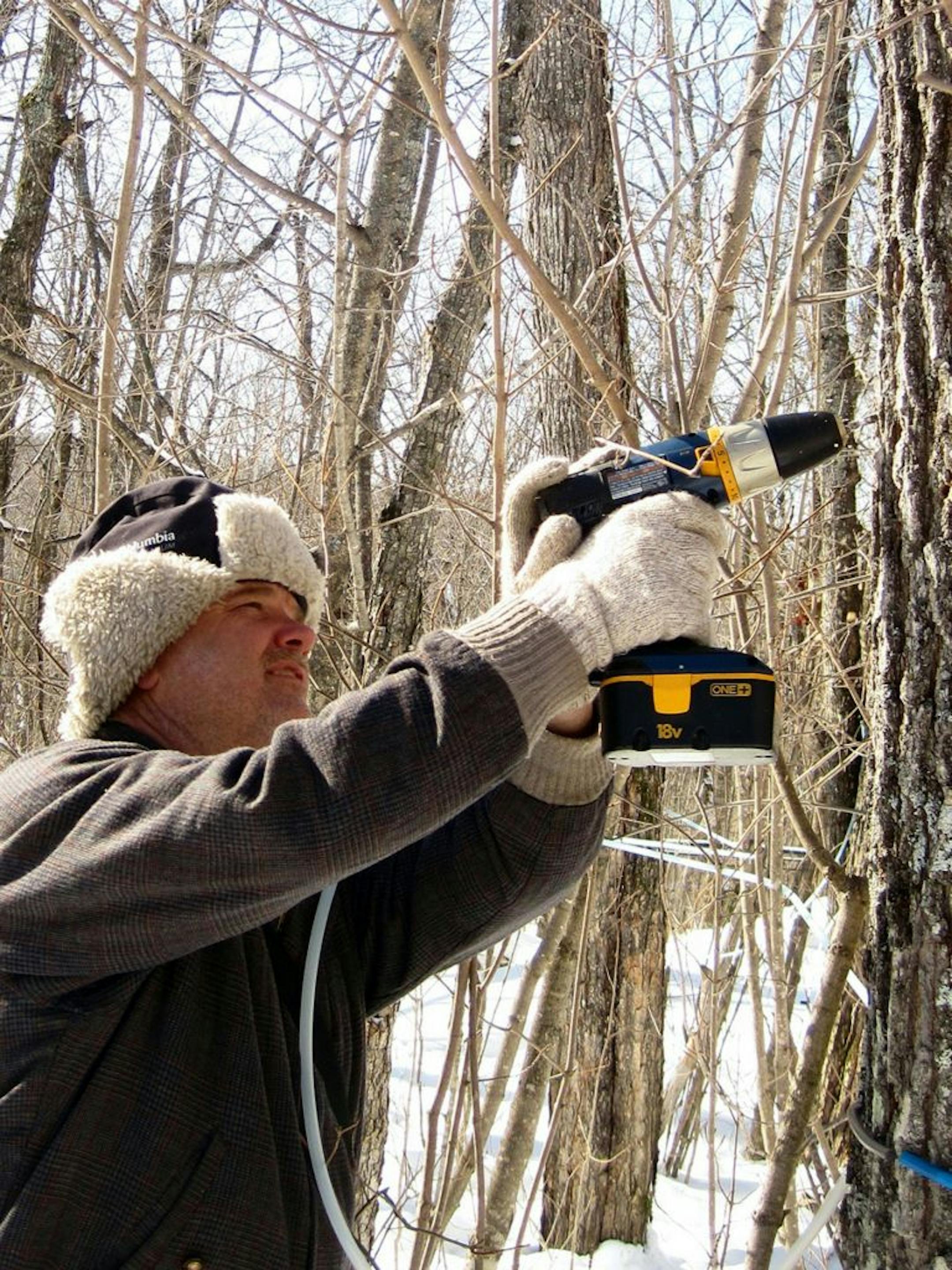
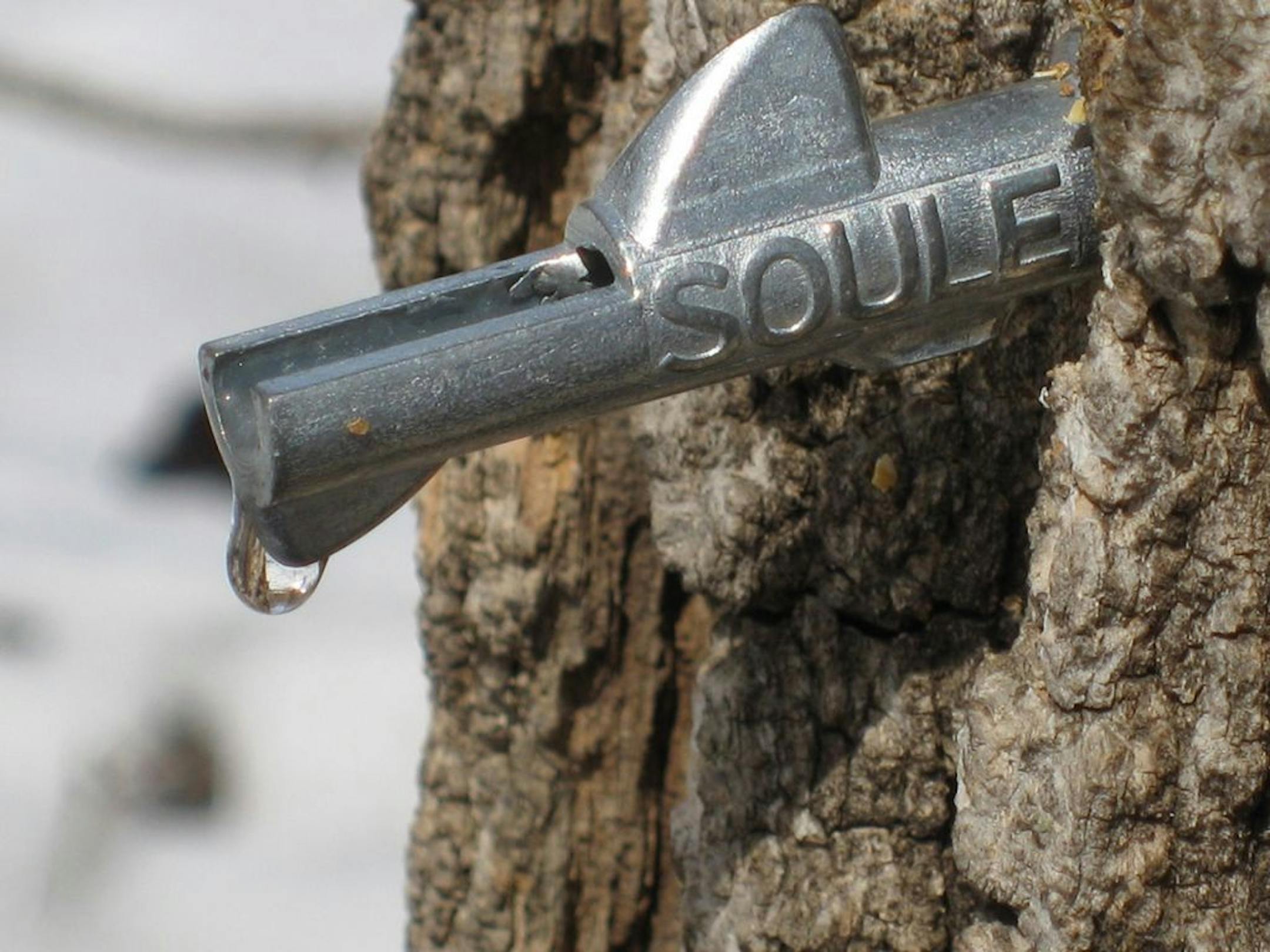
When temperatures climb into the 40s, dormant maple trees shake off their winter slumber and begin pumping sugary, nutrient-rich sap from their trunks to their branches. This event, known as the sugar run, is the moment that Minnesota maple syrup producers wait for all year.
From mid-March until mid-April, producers collect as much sap as possible until maple tree buds begin flowering and the sap develops a bitter taste.
Maple syrup has long been a staple on the American table. In colonial times, it was used to lessen dependency on sugar from the West Indies. Today it's used as a locally sourced, natural ingredient and an alternative to corn syrup and artificial sweeteners.
While Vermont remains king of U.S. maple syrup production, Minnesota's reputation has grown. In 2000, Chris Cordes of Wild Country Maple Syrup in Lutsen, Minn. -- the state's largest producer of maple syrup -- won first place for dark amber syrup from the International Maple Syrup Institute in Burlington, Vt.
"Minnesota has a pretty good name for itself in the maple syrup community," said Cordes. "When we won in Vermont, it turned some heads."
Minnesota's syrup reputation correlates with rising demand for the product, said Cordes. The process is labor- intensive, though. Depending on the time of season and the sap's sugar content, it can take from 28 to 80 gallons of sap to produce a single gallon of syrup.
Once the sap has been boiled down, the resulting syrup can be used far beyond breakfast.