Perhaps no statistic better illustrates the Twins' half-decade-long dry spell in developing pitching prospects than the one that begins with a dollar sign.
The Twins are spending only 22.5 percent of their $82 million payroll on the pitching staff this season, the lowest figure since the turn of the century at least, and less than half of the major league average. It's also quite a contrast to a decade ago, when the team devoted more than half of its cash to pitchers.
"It's not by design. It's not like we said, 'Let's spend less on pitching and go another way,' " said assistant GM Rob Antony. "It's just the nature of having [Joe] Mauer and [Justin] Morneau as your top players, and then having a couple of guys in the rotation who aren't eligible for arbitration yet."
The nature of the Twins is also responsible for the decline, because the team generally rewards its own players with long-term contracts, rather than pour cash into large free-agent contracts. Case in point: Nick Blackburn, who despite not even being on the team's 40-man roster, will be the Twins' highest-paid pitcher this year, earning $5.5 million as he tries to return from wrist surgery.
The only three Twins pitchers ever to earn salaries above $10 million in a year — Johan Santana, Joe Nathan and Brad Radke — fit that profile as well; all three blossomed once they arrived in Minnesota.
"That's how we like to do it. When we've spent a lot on a contract, more often than not, it's on players we already have, that we know. We know how they fit in the clubhouse, and we know their health situation," Antony said. "It makes you a little more comfortable with the investment."
Trouble is, the Twins have developed few pitchers recently who have earned big paydays. Glen Perkins is in the first year of an affordable three-year deal that pays him $2.5 million this year, and Brian Duensing makes $1.5 million. But that's it for homegrown pitching at the moment, which is why hitters take such a huge chunk of the current payroll.
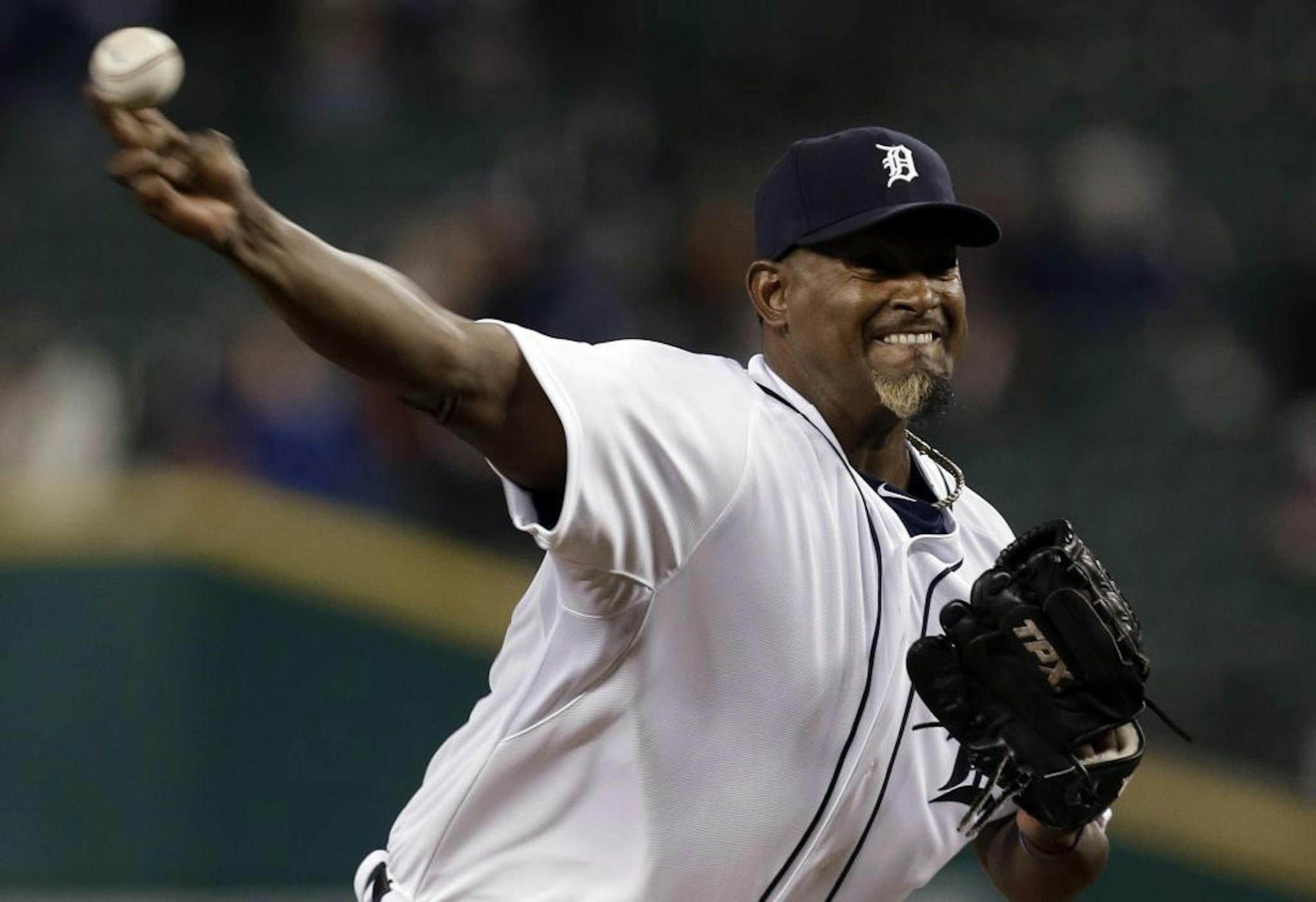
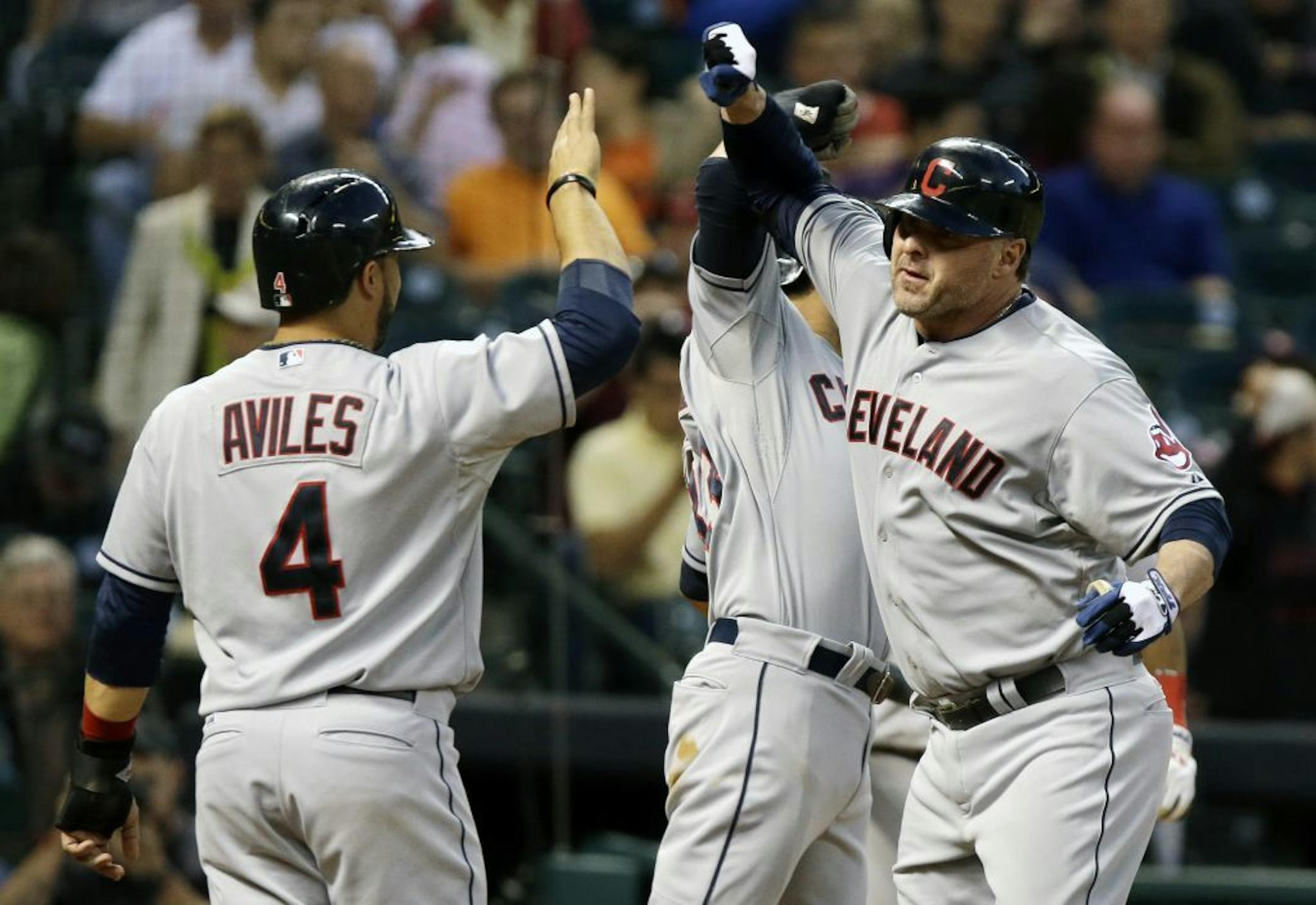
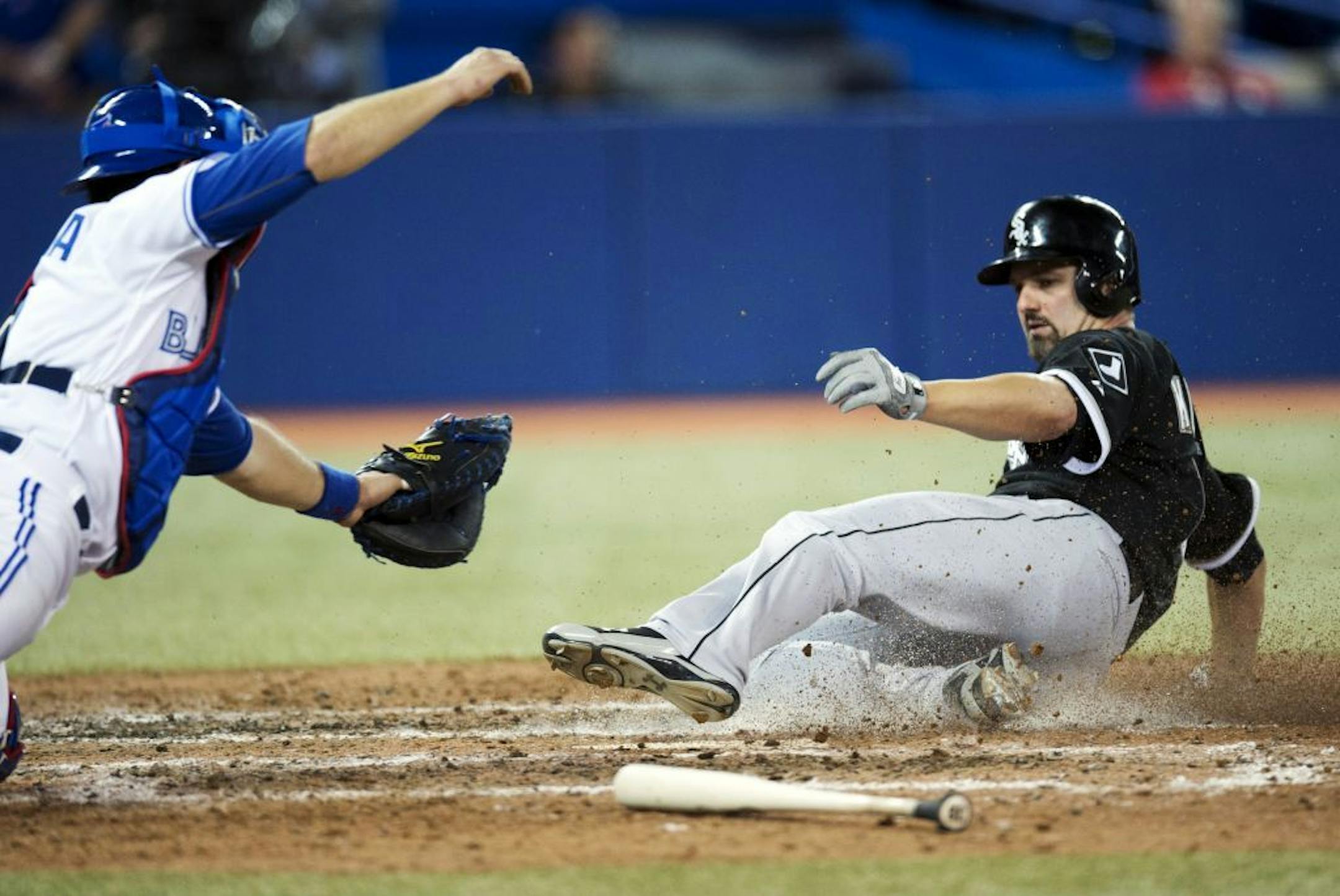
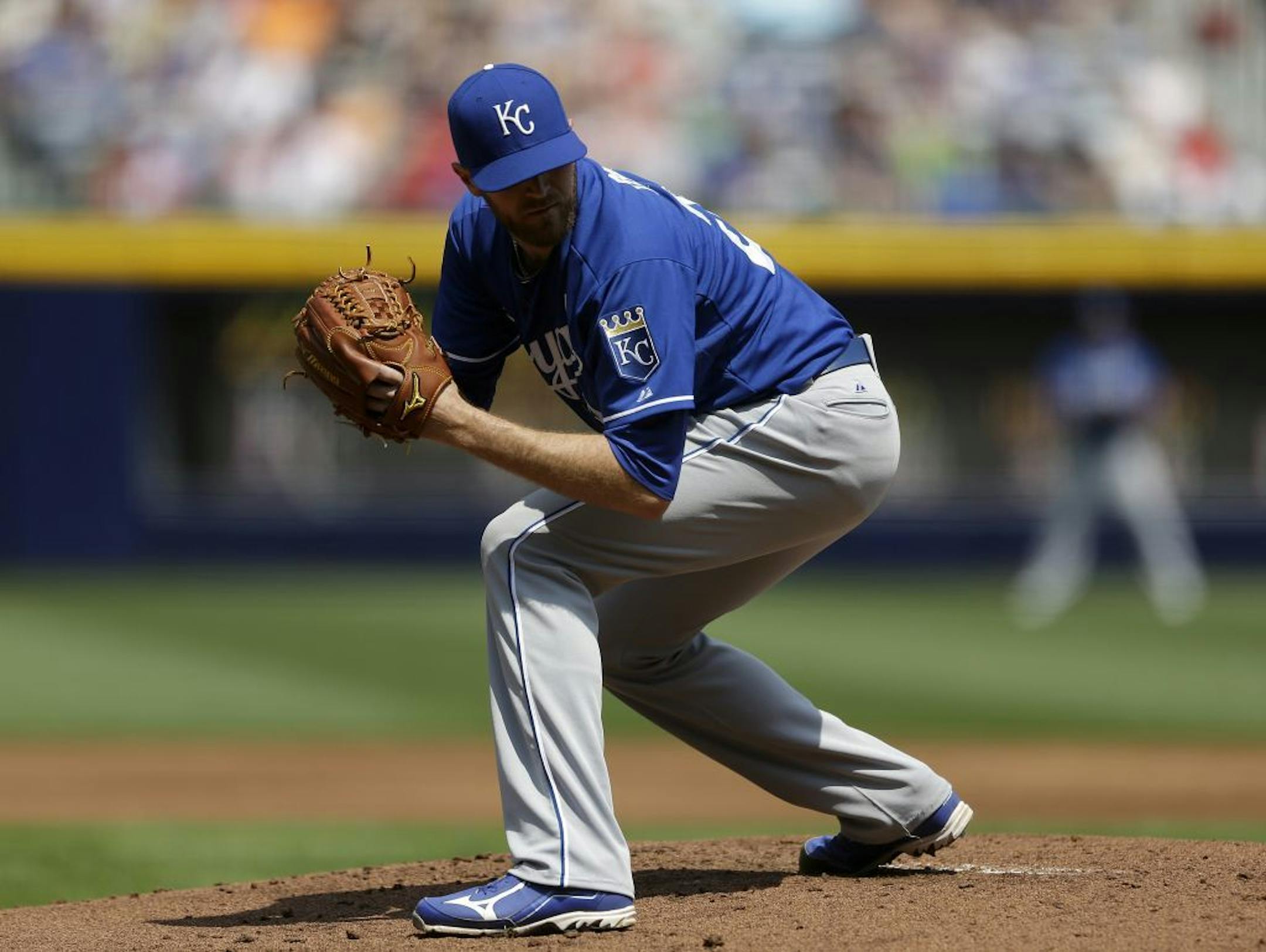
The Twins have by far the lowest percentage of this season's payroll devoted to pitching in the AL Central. Kansas City has 53.6 of its payroll in pitching, the White Sox 47.4 percent, Cleveland 45.9 percent and Detroit 38.8 percent.