Of course there is sign stealing in baseball. Teams will use any edge they can get to gain an advantage on the opponent.
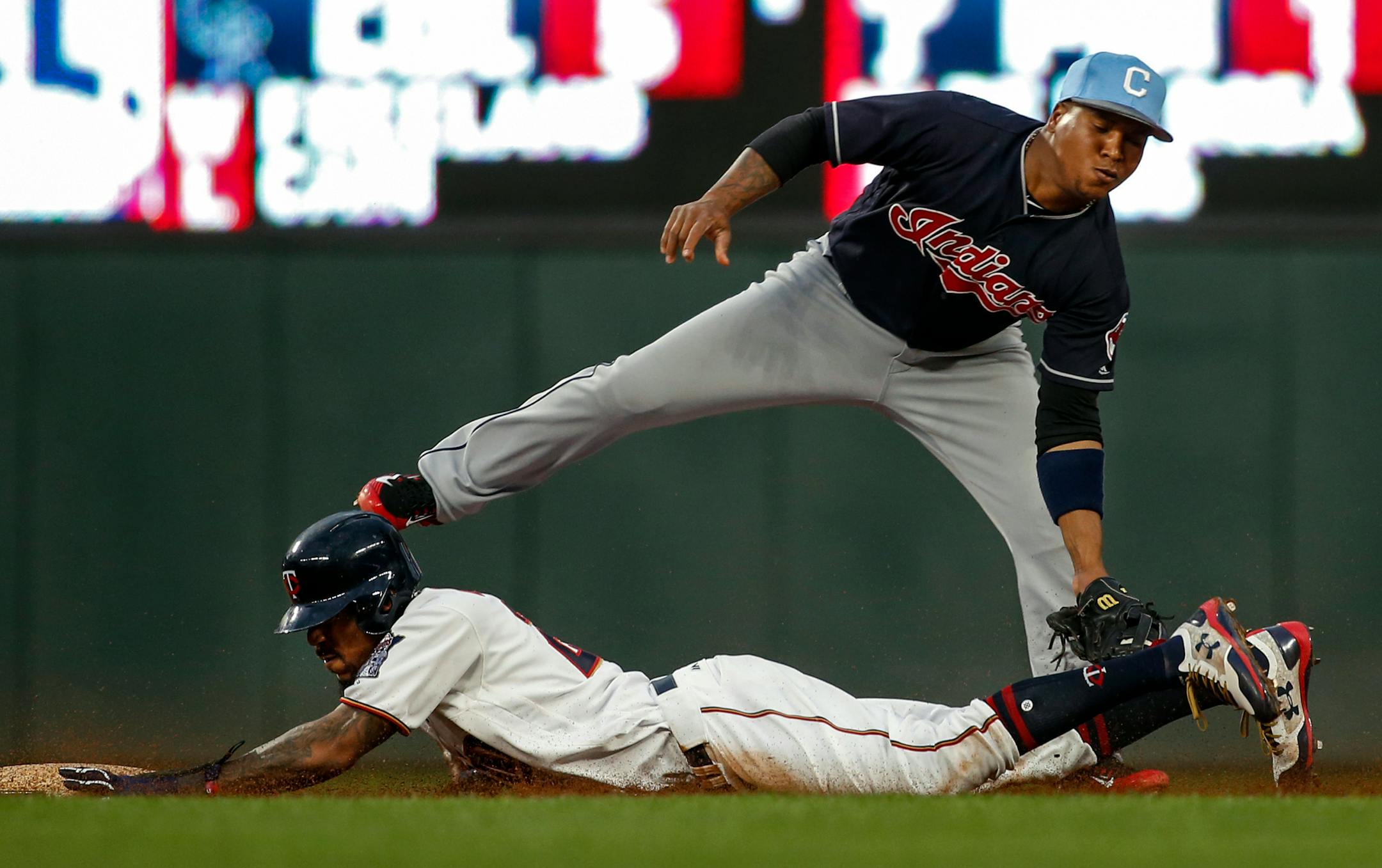
Runners on second base spot the catcher's signs to the pitcher, then attempt to tip off the batter as to what pitch is coming.
Base coaches have tried to position themselves so they can see the catcher's signs and tip off their players. Lee Mazzilli was known for this when he was first base coach with the Yankees. The Orioles, in 2001, painted the first base coaches box several feet from where it was supposed to be to try to move Mazzilli out of spying range. They were caught and had to repaint the box.
Players in the dugout stare down the opposing pitcher, looking to see if he wiggles his glove as he applies his curveball grip. Baserunners watch pitchers for the first sign that they are going to the plate, so they can attempt to steal second. There are incessant attempts to read body language and decipher nonverbal communication.
Baseball is one big poker table, and every team is looking for a tell.
But you can't use a camera to peek at someone's hand at the poker table, or have someone nearby look over the shoulder of an opponent's hand and relay the info via an Apple Watch. In baseball, electronic espionage is not allowed.
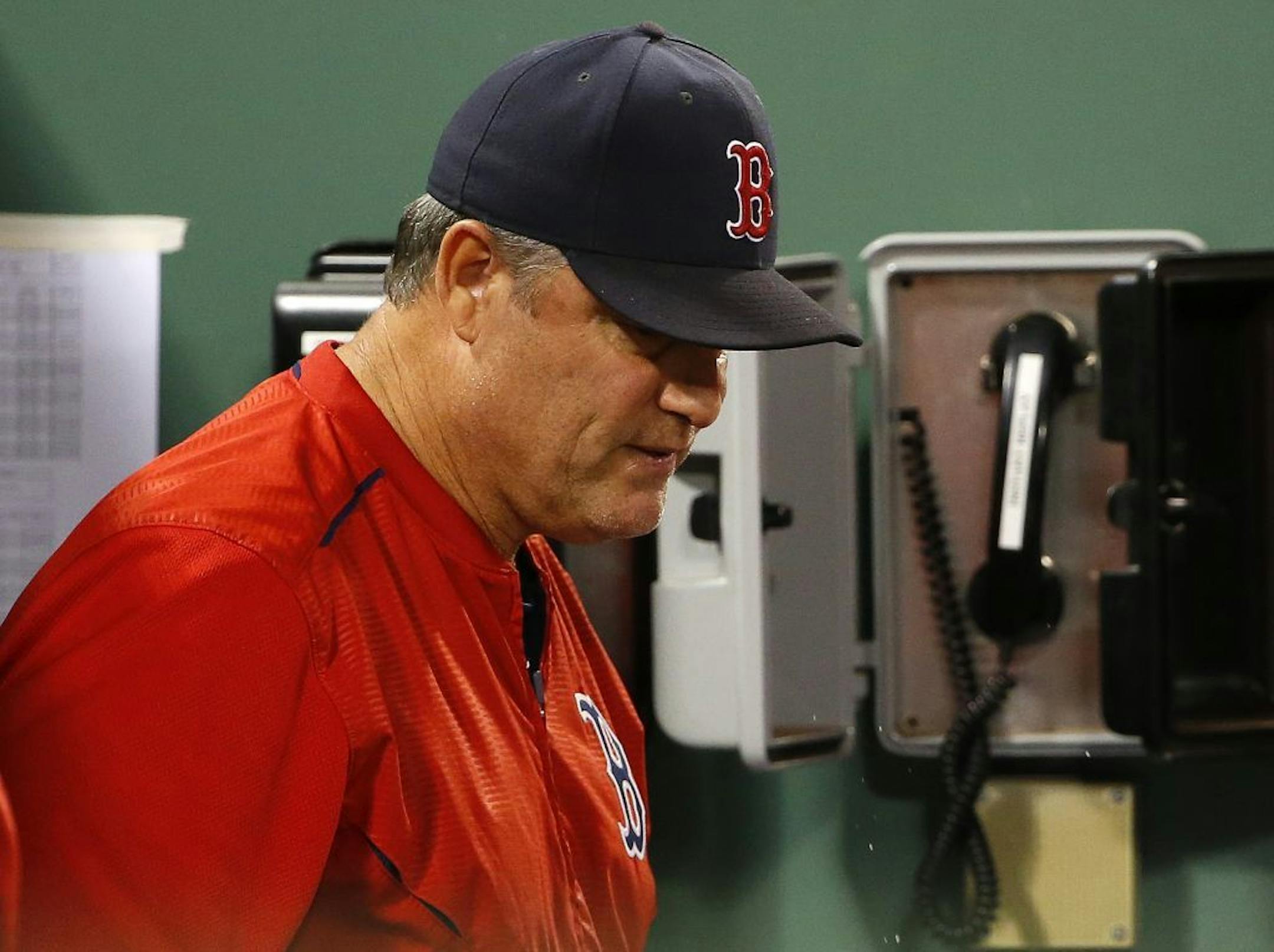
And that makes the Boston Red Sox cheating cheaters, if Major League Baseball agrees with a complaint issued by the Yankees last week.
The Red Sox used a system in which Yankees signs were caught on camera and forwarded to someone with an Apple Watch who then signaled a player — Dustin Pedroia, according to the complaint — who tipped off the hitter.