

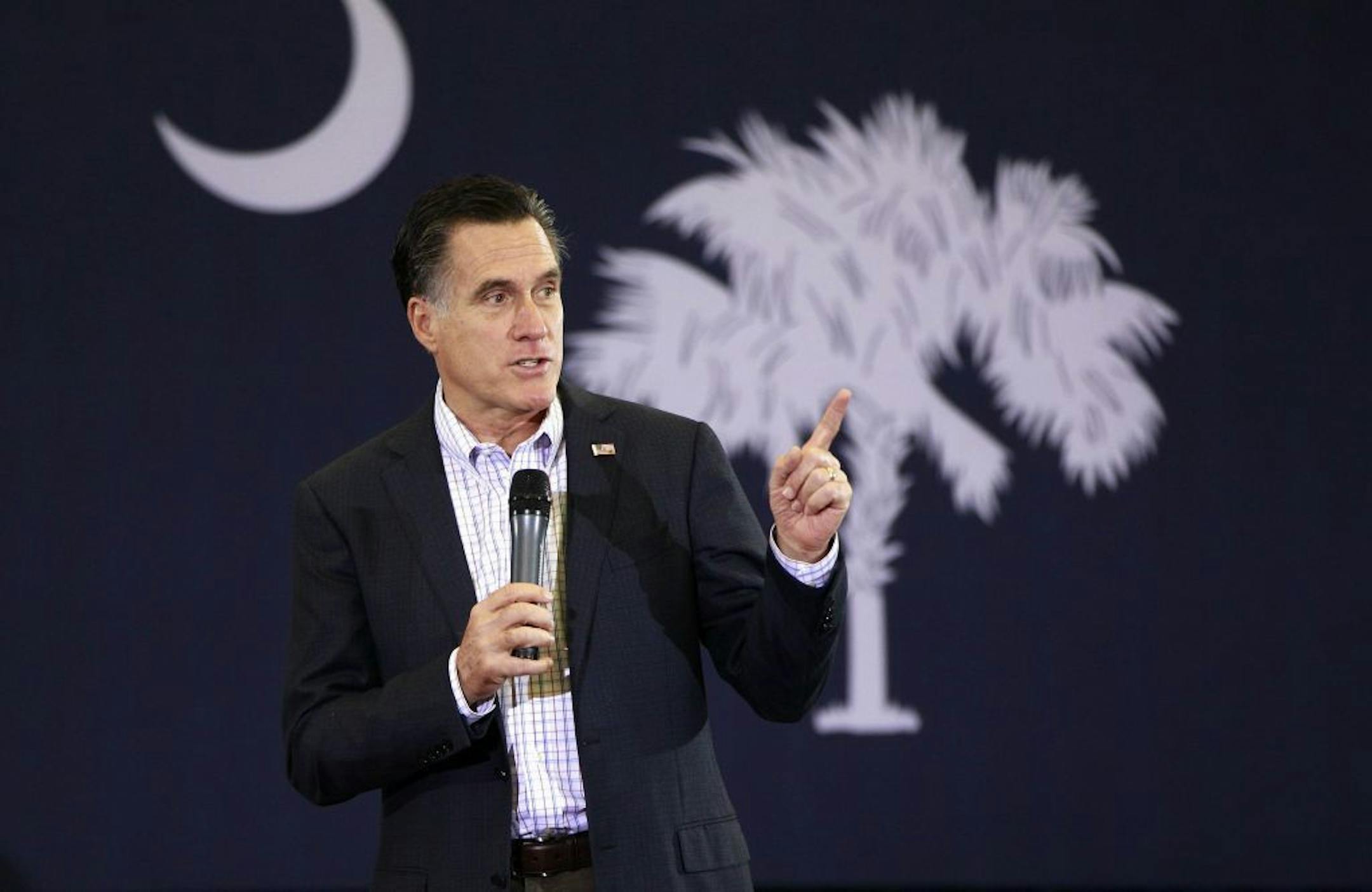
The debate over Mitt Romney's career at Bain Capital, in which several of his Republican rivals sound as if they're auditioning for a production of "Les Miserables," is at heart a debate about the last 30 years of American capitalism.
In the decades after World War II, the U.S. economy was highly regulated, highly taxed and highly successful. War, tyranny and ideological mania had devastated our competitors, and while Asia stagnated and Europe struggled to rebuild, America grew and grew and grew.
It was a golden age for the liberal model of political economy, with a powerful regulatory state presiding over labor-management cooperation and a steadily expanding middle class. But like all golden ages, it passed.
First in Europe and then in Asia, competitors emerged to challenge the United States' economic dominance. In this new landscape, the pillars of the postwar economic order began to look like liabilities.
Our heavily unionized industries seemed sclerotic, our regulatory system stifling, our tax rates punitive.
And so U.S. policymakers, CEOs and investors responded by changing their priorities -- privileging growth over security and efficiency over equality, and embracing creative destruction on a scale that would have been unthinkable in the America of 1955.
In the private sector, this revolution was driven by men like Mitt Romney.
As Ben Wallace-Wells put it in a New York magazine profile last October, Romney has spent his entire career seeking to "perfect" the U.S. corporation, stripping "its inefficiencies until it might function as a perfectly frictionless economic unit."


