

Jacques-Yves Cousteau was ahead of his time. Well before today's media mavens, Cousteau used cutting-edge technology, pioneered reality TV and in the process became an iconic brand.
But Cousteau was of his time, too.
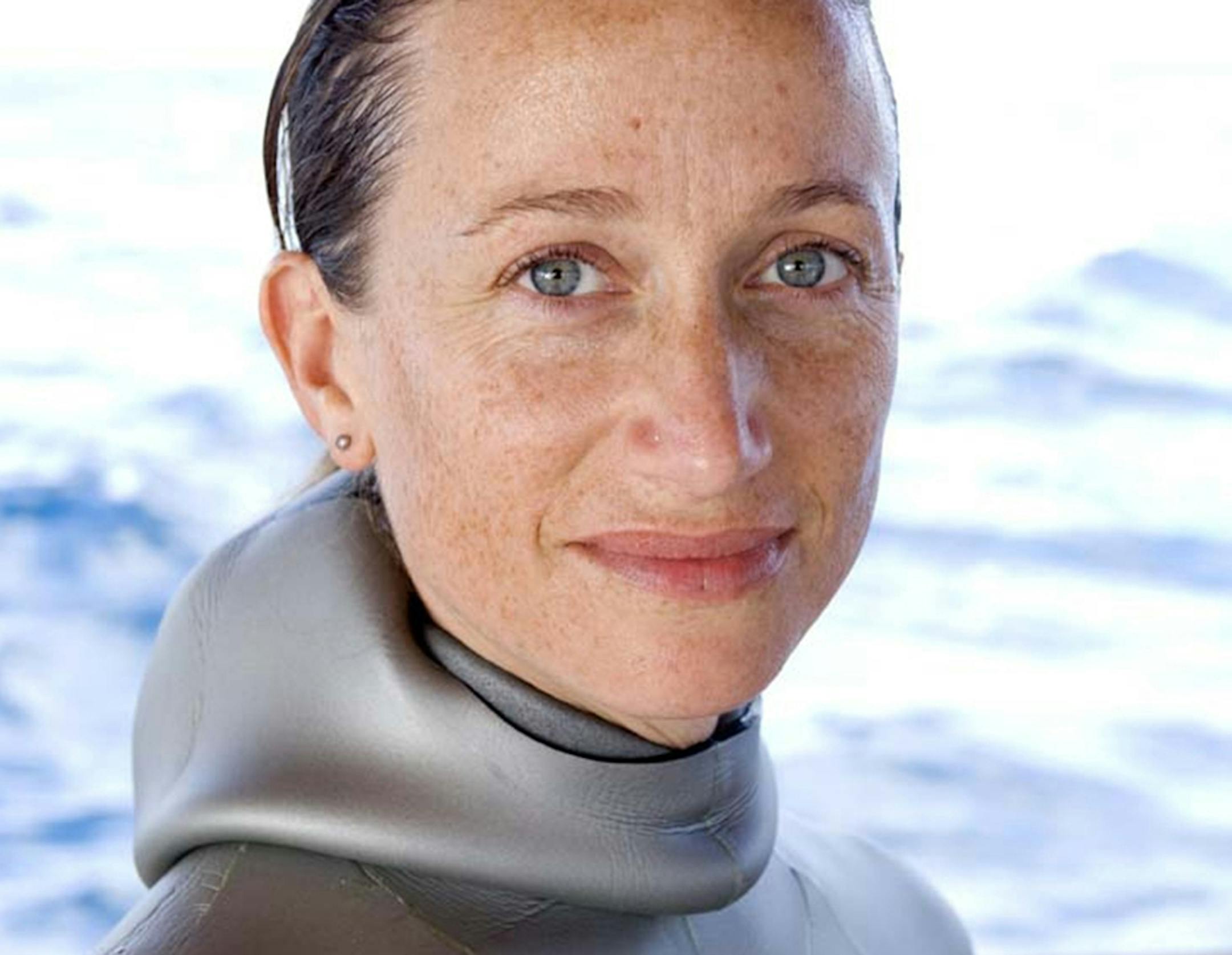
"It's a different time, a different era in our human life on the planet than when my grandfather was around," said Céline Cousteau, executive director of CauseCentric Productions. "When he started in the 1950s, people had not gone where he was going, not recorded the underwater world. We are now at a time of needing to impact positive change and not just explore, but actually influence and protect the places where we are going."
Céline, her brother Fabien and father Jean-Michel will speak at "An Evening with the Cousteau Family" next Thursday night at Beth El Synagogue in St. Louis Park. Their visit is timely, given the concern over ocean and sea life and, closer to home, headlines like "So. Minn. water crisis rises" in Thursday's Star Tribune. Carrying on Cousteau's work, his family educates new generations, just like Jacques did.
People like Chris Johns, the National Geographic Society's chief content officer (who attended grad school at the University of Minnesota and "loved it") was one of many inspired by the intrepid Cousteau. "Growing up I would watch the 'Jacques Cousteau Specials,' and he captured my imagination and made me want to engage and to explore," Johns said. "What a gift."
It's a gift National Geographic gives, too. (Jacques might like this month's cover story on "Thinking Like a Dolphin.") But modern media methods — "from the iPod to IMAX" — all need to be used in this "golden age of storytelling," Johns said.
Yet these media also create cultural clutter challenges, said Céline Cousteau. "Navigating the new landscape of storytelling is an advantage and a challenge. We can reach a wider audience. … but there is an infinite amount of content."
And an infinite number of possibilities.


