Miss Possible hopes to leave Barbie far behind.
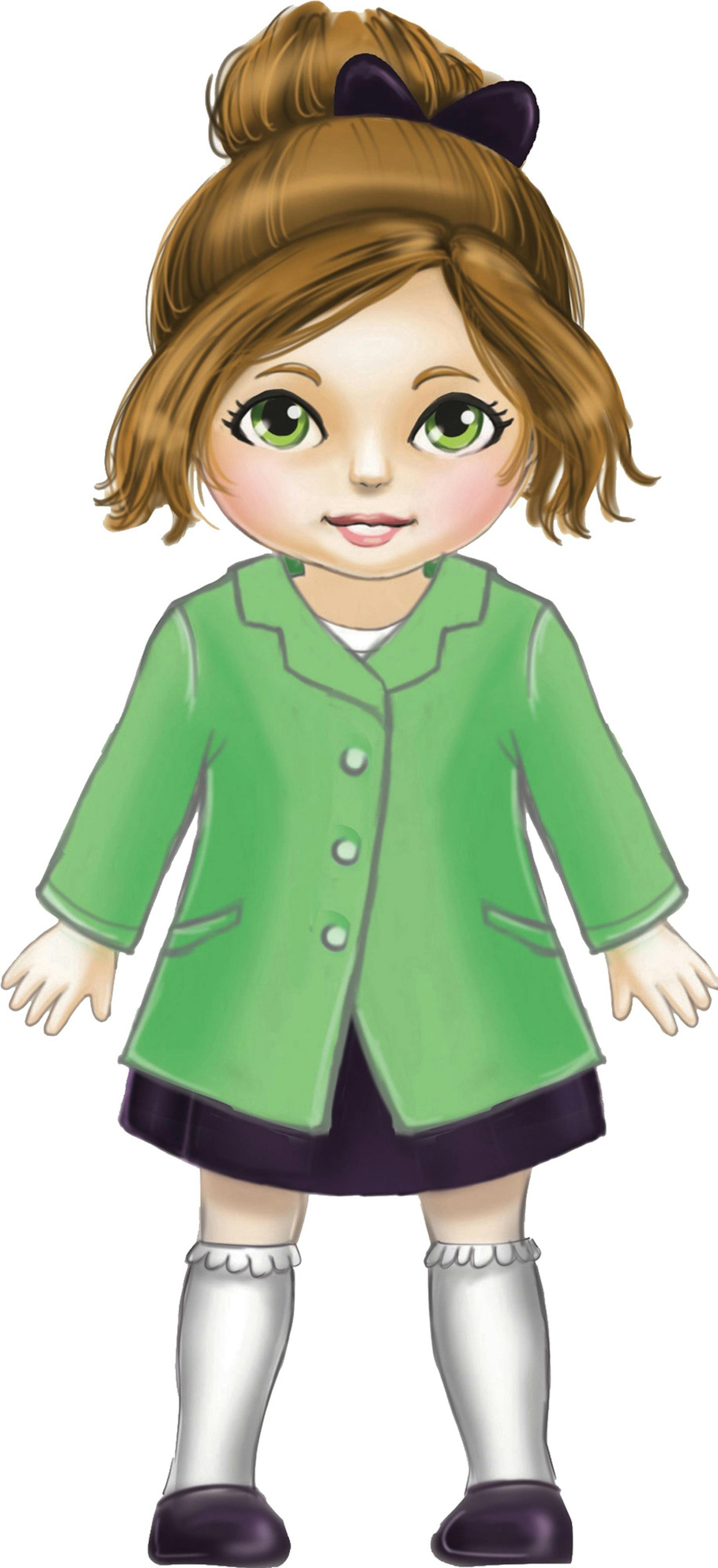
Miss Possible is a line of dolls that its creators hope will change the way girls think about pretend play and, more important, their place in the world.
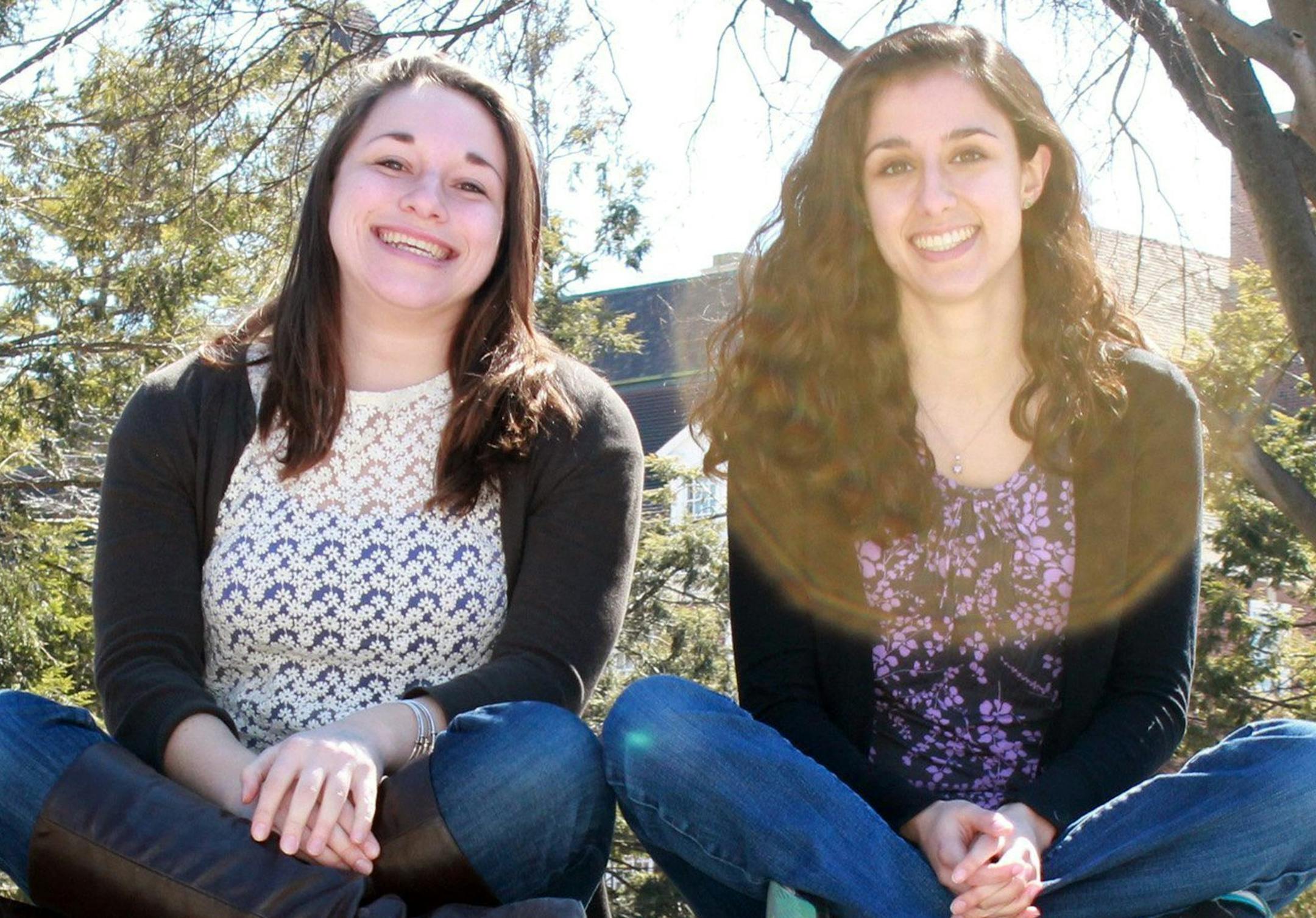
The brainchild of Supriya Hobbs and Janna Eaves, both 21, who met through the engineering program at the University of Illinois at Urbana-Champaign, the first doll in the series will be the childhood version of Marie Curie, the Nobel Prize-winning chemist and physicist whose research led to breakthroughs on radioactivity.
If sales figures warrant continuing the line, the second doll will be Bessie Coleman, the first African-American female aviator and first American to hold an international pilot's license. The third subject they've chosen is Ada Lovelace, generally considered the world's first computer programmer for writing early instructions for Charles Babbage's 19th-century calculating machines.
Each doll will come with a smartphone app with a set of experiments and activities the child can do in the spirit of the doll's namesake. The Marie Curie app will have instructions on making a compass, creating a chemical reaction with glue and experimenting with magnetism. The app also delves into the biography of the woman.
"There's something really powerful of having a real person behind it," Hobbs said. "This is one woman. This is the story of her life."
They are seeking crowdfunding through Indiegogo.com and will let their financial backers pick which real-life female hero to immortalize in doll form after Lovelace. They decided on a childhood representation of these women because they wanted the focus to be on the extraordinary accomplishments, not on the depiction of the body.
The dolls follow the trail blazed by the groundbreaking GoldieBlox, a line of engineering kits geared at girls. The founders of GoldieBlox captured attention through viral marketing videos, won airtime during the Super Bowl and raised enough money from donors to begin to stake space in the toy aisles alongside princesses and put it in the hands of future engineers.