

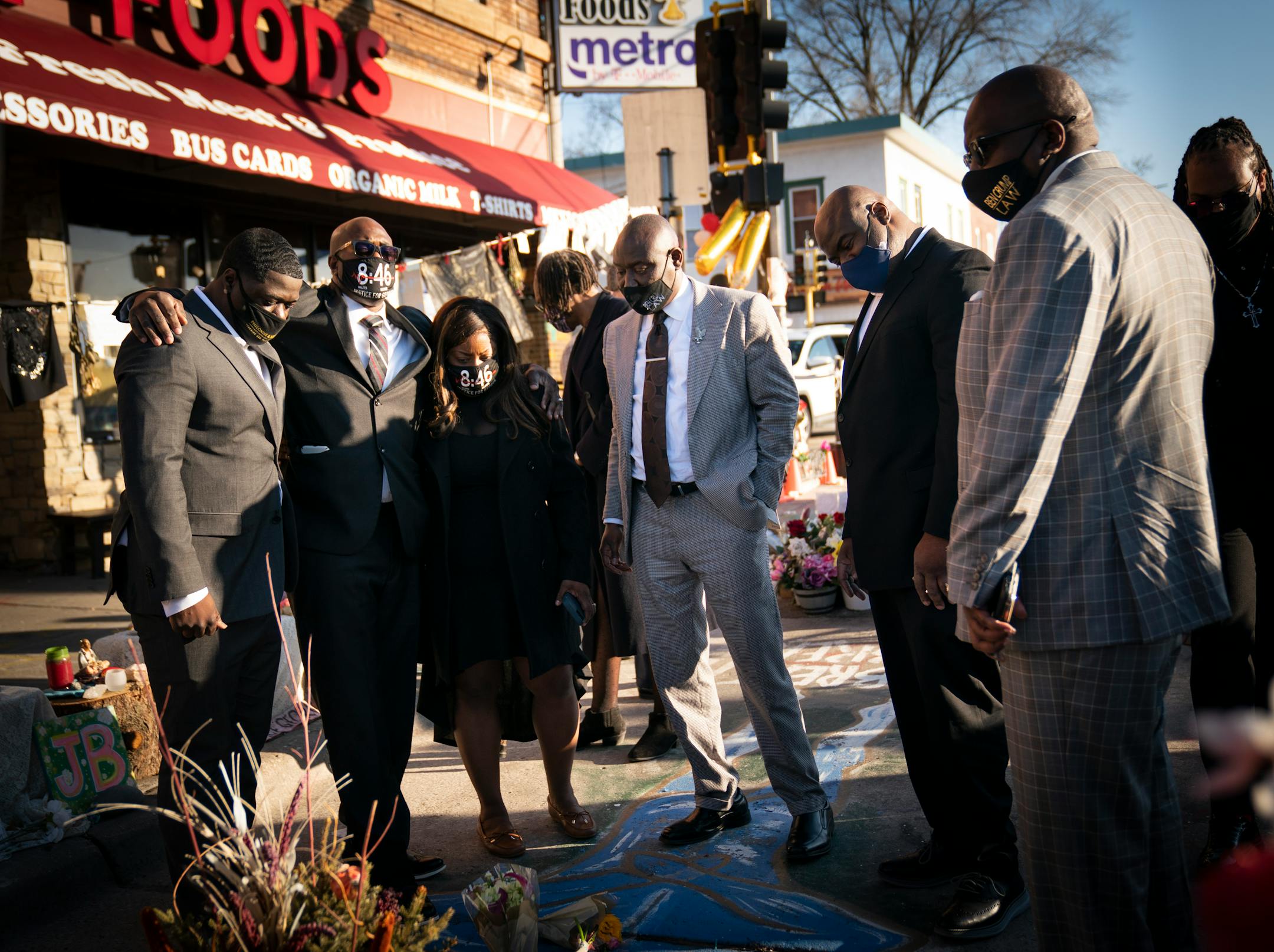
The deaths of four Black men at the hands of police — Eric Garner in New York; Michael Brown in Ferguson, Mo.; Freddie Gray in Baltimore, and George Floyd in Minneapolis — began over nonviolent allegations.
That point is highlighted in the opening segments of a new 35-minute documentary, shown in the Twin Cities on Wednesday, that makes the case that people of color long have been unjustly targeted by law enforcement and court systems, starting with misdemeanor arrests that can lead to fatal consequences.
The film, "Racially Charged: America's Misdemeanor Problem," includes footage of assaults by police and interviews with people who were arrested, mostly people of color, for minor offenses that would change their lives.
Following the film presentation was a panel discussion that included Nadine Graves, a former Hennepin County public defender and adjunct professor at Mitchell Hamline School of Law, and Mary Moriarty, former chief public defender for Hennepin County.
"These misdemeanors can have long-term effects on people's lives," Graves said, with the result being a loss of housing and jobs. Moriarty said that misdemeanor laws give police too much discretion and often lead to numerous "collateral consequences."
Featured in the film was Chris Lollie, a Twin Cities man who has since moved to Georgia, who was tasered and arrested by St. Paul police in 2014 on misdemeanor charges for sitting in a private area of a St. Paul skyway while waiting to pick up his children from day care.
The charges were dropped and the city of St. Paul paid him $100,000 in 2016 to settle the lawsuit he filed.
"Minnesota Nice," said Lollie during the panel discussion, "is a smile on your face and stab-you-in-the-back. Racism mixed with Minnesota Nice is a terrible thing."


