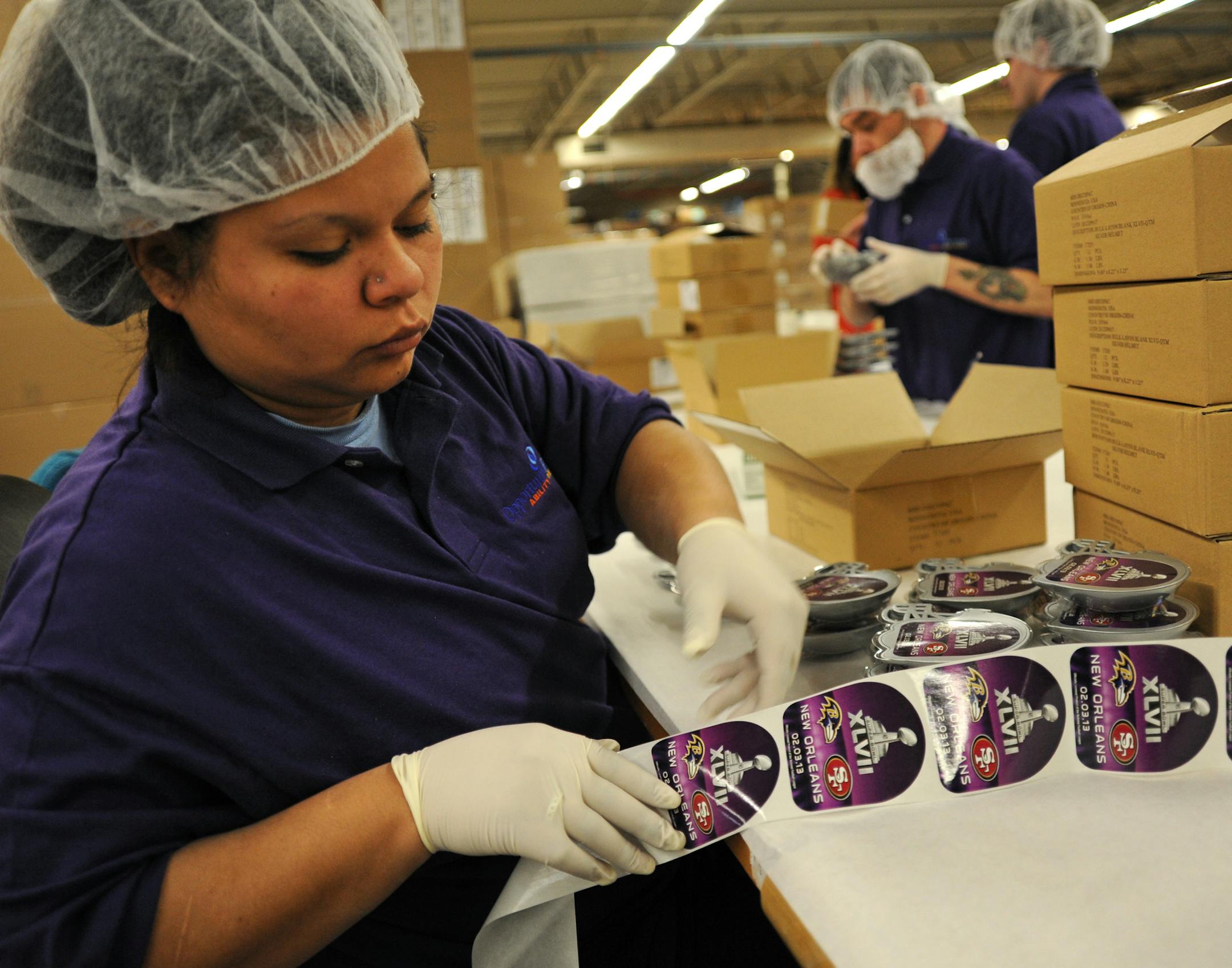
The production floor is buzzing late on a Friday morning at Opportunity Partners' 110,000-square-foot headquarters in Minnetonka. Teams of six to 10 employees work at more than 20 L-shaped tables, called pods, assembling and packaging everything from granola bars to camping gear.
A forklift beeps, announcing its arrival, grabs a pallet and disappears down a cavernous aisle filled with a small fraction of the 11 million parts the workshop will ship this year.
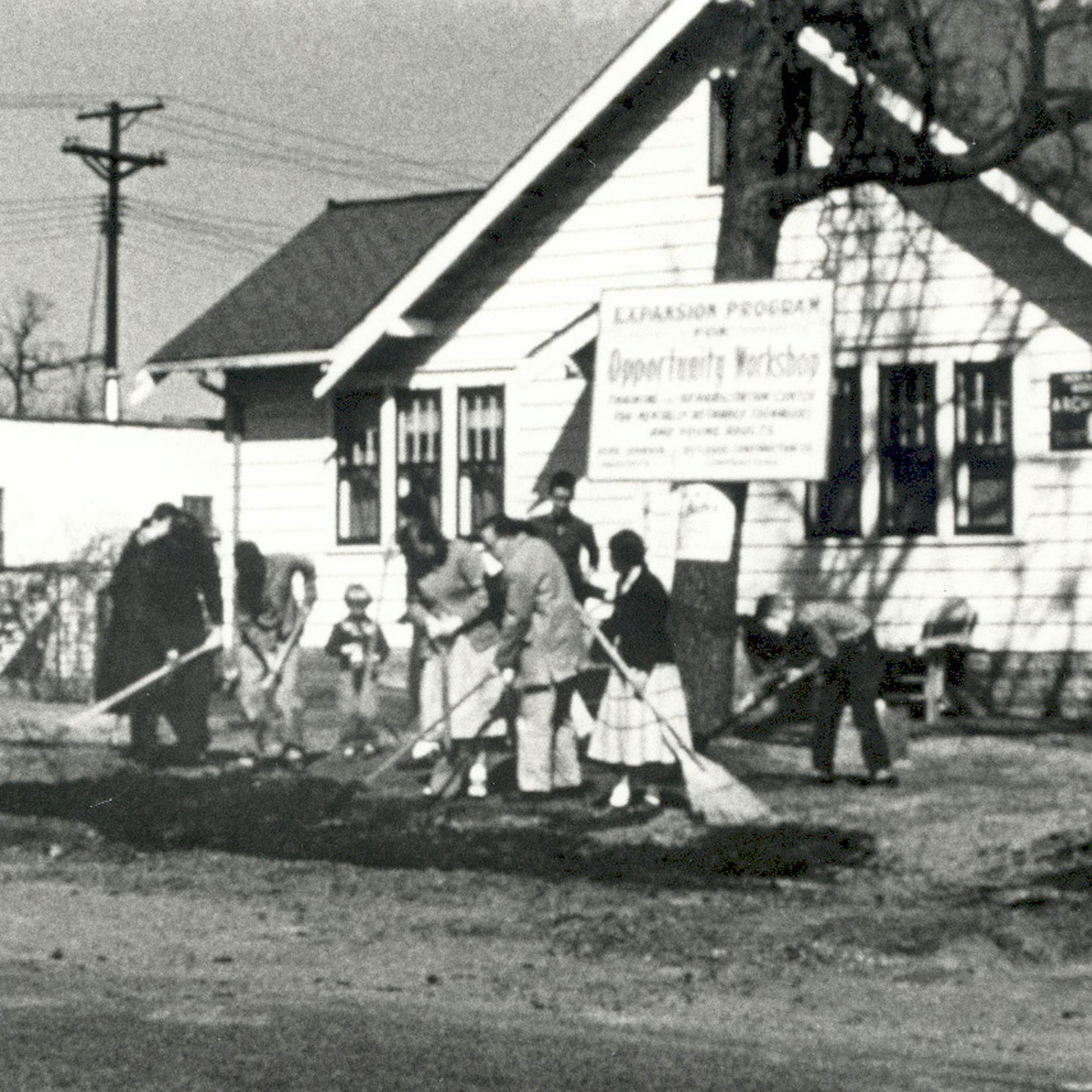
The bustling scene is a far cry from its original headquarters. Opportunity Workshop, as it was called until 1996, was founded in 1953 in a small house in Richfield by a group of parents who wanted a better life for their teenage children with disabilities. Originally, 15 teens were served by one staff person and eight volunteers. To this day, three of those original teens are still served by programs run by Opportunity Partners.
Now Opportunity Partners operates 11 program sites and 23 residential sites, serving more than 1,700 people with disabilities and mobilizing a vast network of volunteers. Its programs have evolved over the last 60 years into a three-pronged strategy — live, learn and work — to help people with disabilities have productive, healthy lives.
Opportunity Partners' production floor supplies 185 companies with assembly and packaging services. It will issue paychecks to more than 1,200 employees this year.
However, the goal is not to expand its production capacity, but to train people with disabilities to live and work independently.
"We want to make these jobs a steppingstone," said Opportunity Partners' Senior Vice President Gregg Murray, gesturing to the production floor. "This is a training ground. It's all about making sure they develop the work skills, the training and the discipline so we can get them out into a job in the community."
In 2008, 39.5 percent of Americans aged 18-64 with disabilities were employed, according to disabilitystatistics.org, an online resource run by Cornell University in Ithaca, N.Y. By 2011, the latest year for which such stats are available, that number had declined to 33.1 percent.