

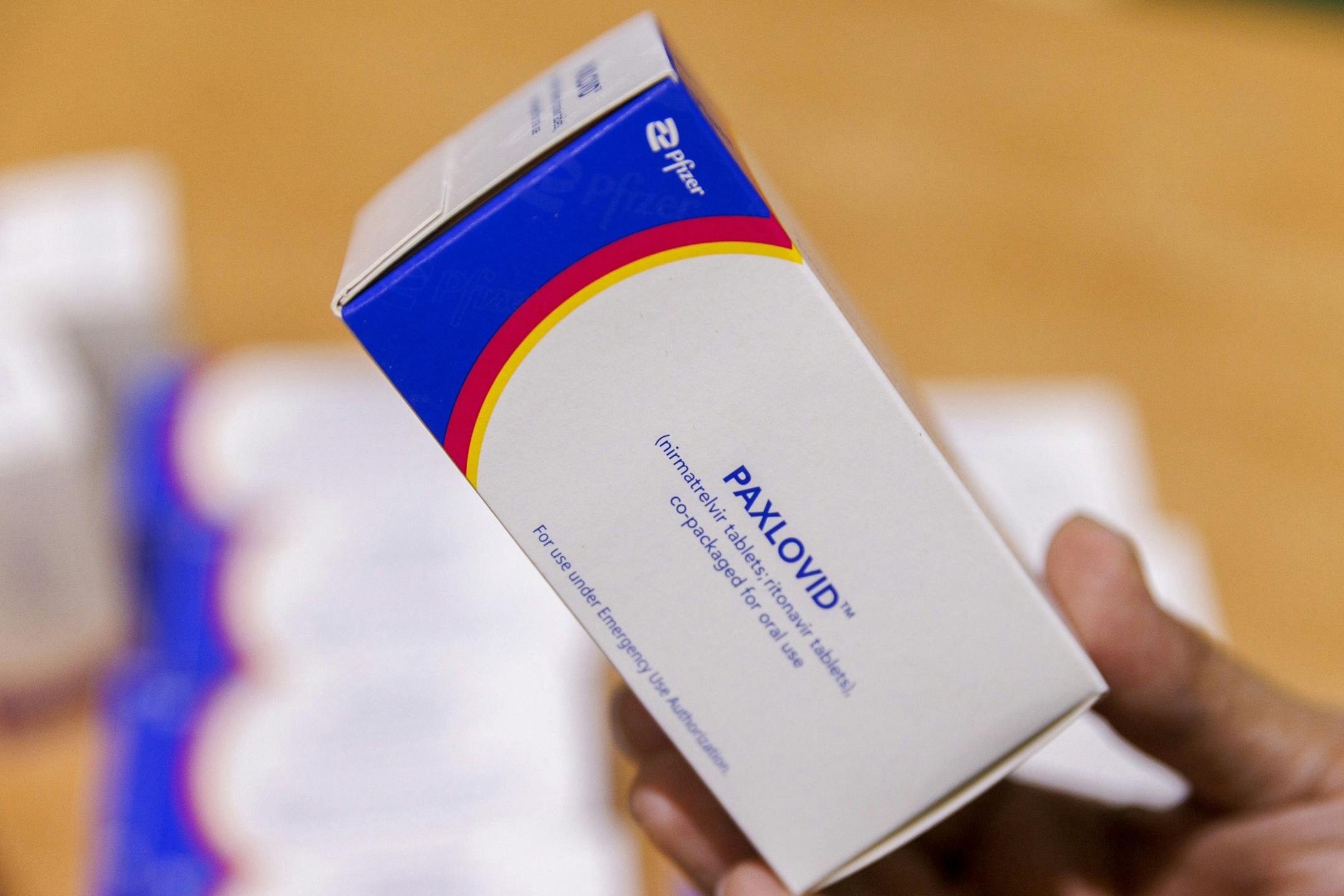
A pioneering move to ease access to a powerful COVID-19 treatment will help protect Minnesotans against the severe illness this virus remains capable of causing.
It should also serve as an example to other states of the ongoing need to innovate at this stage of the pandemic.
More than two years after the pandemic began, there are still lives to be saved. Making it easier to get Paxlovid, a prescription drug close to 90% effective against hospitalization and death in those infected, as Minnesota did this week, is smart. It's commendable that the state is leading the way nationally.
On Wednesday, Gov. Tim Walz's office announced that five state-run community testing sites can now fill a prescription on the spot for Paxlovid.
Previously, these sites could test for COVID and provide a Paxlovid prescription for those eligible to use it. But getting the pills in hand required additional steps: finding a pharmacy stocking Paxlovid, then traveling there. Minnesota's new one-stop shopping approach will help ensure that the newly infected start the five-day treatment as soon as possible.
That timing is critical. While vaccines remain the most potent weapon against COVID, Paxlovid is an important addition to help those who become infected. But it must be taken within five days of symptom onset.
On-site Paxlovid prescriptions are now available at no cost at the state's "Test to Treat" locations in St. Paul-Midway, Moorhead, Brooklyn Park, Duluth and at the Minneapolis-St. Paul International Airport. The drug is limited to those 12 and older who are considered at high risk of becoming severely ill. Generally, risk factors include age or having underlying health conditions. For a complete list from the U.S. Centers for Disease Control (CDC), go to tinyurl.com/risk-factor-list.
Paxlovid prescriptions also continue to be available at Minnesota medical clinics and at pharmacies participating in the federal "Test to Treat" program. To find one near you, go to tinyurl.com/test-treat-locator. No matter where you obtain Paxlovid, the medicine is free, but consumers at private care centers should ask about other potential costs such as exam fees.


