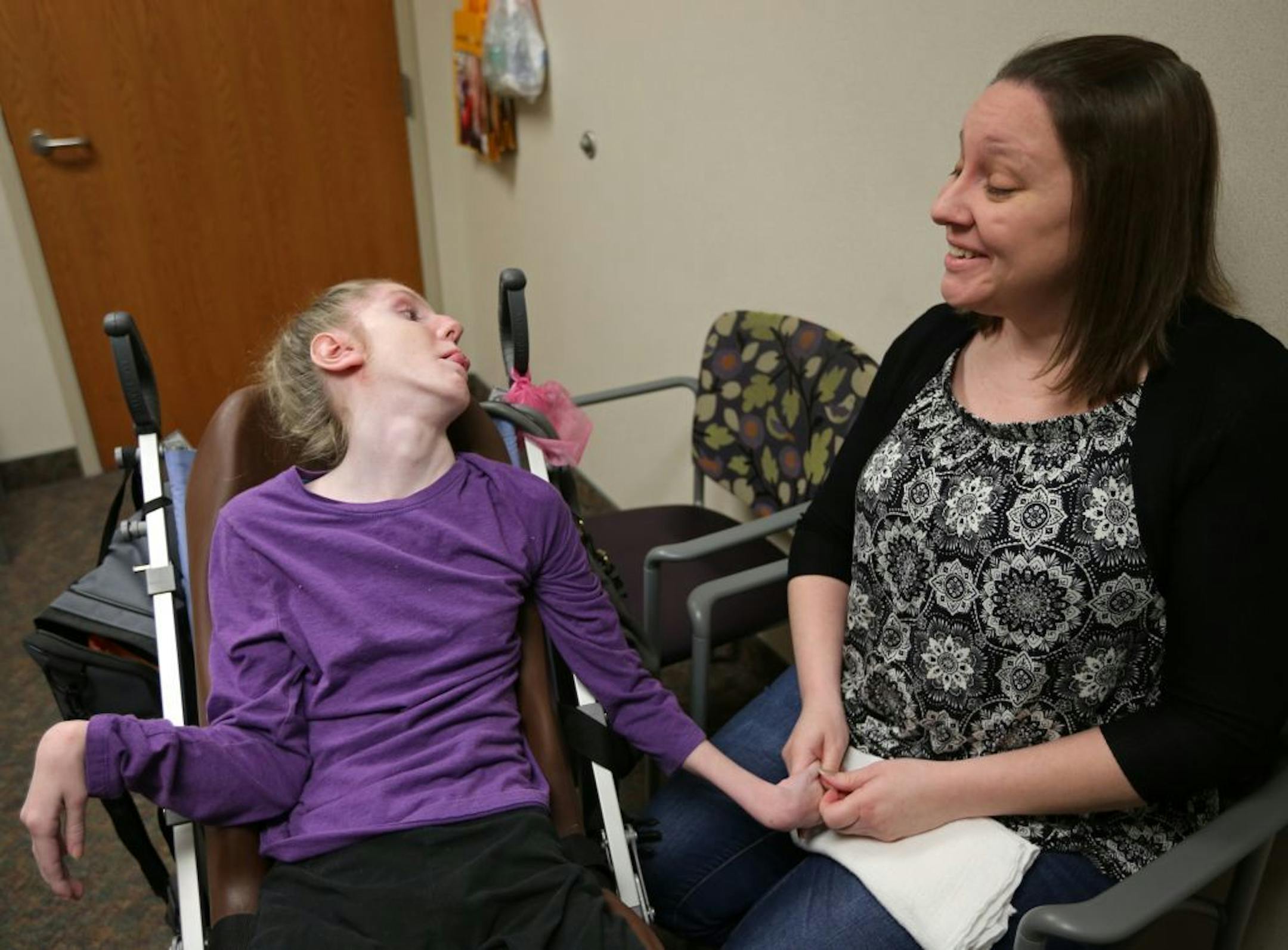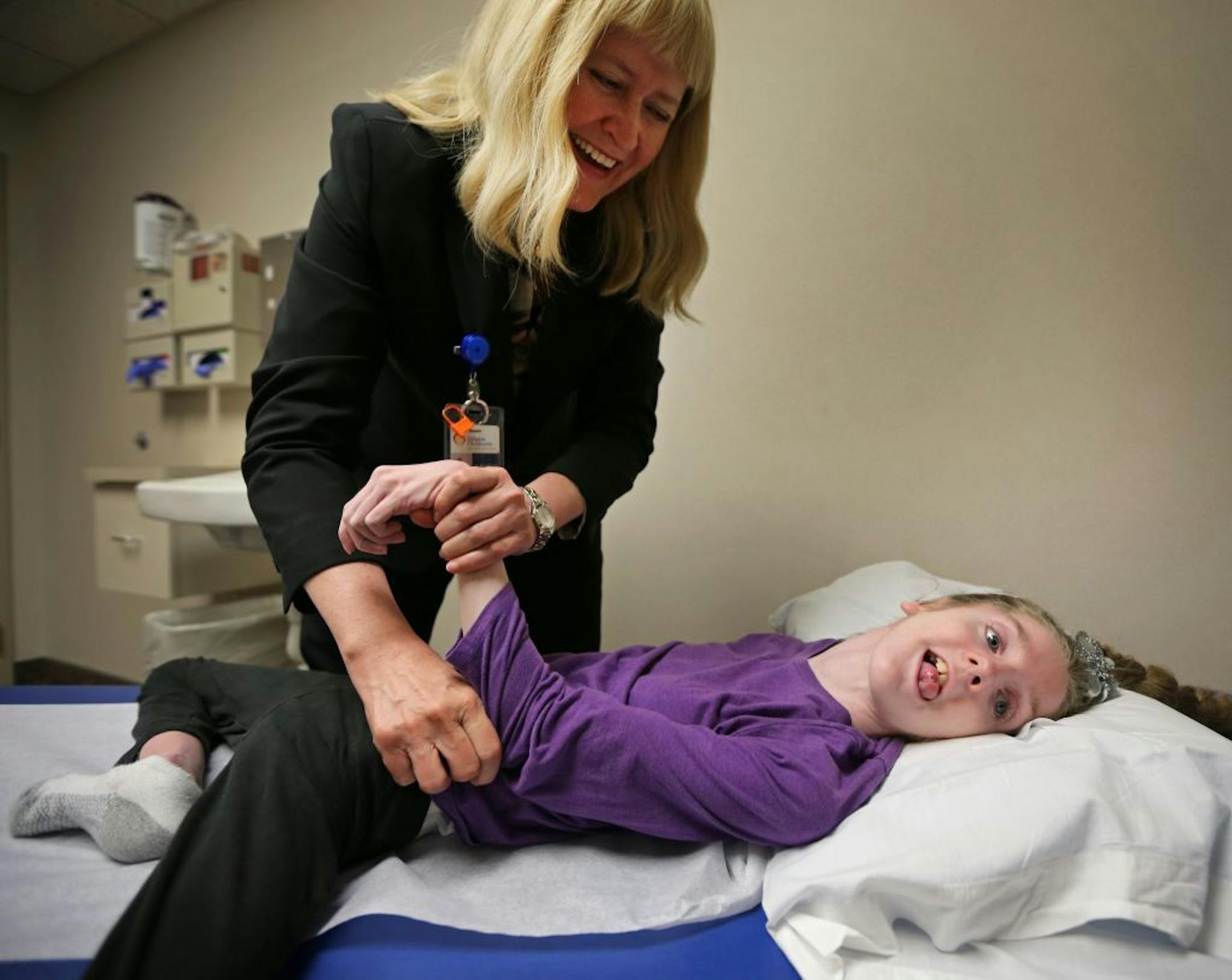
Adele Harris has plenty on her mind these days: An 11-year-old daughter with cerebral palsy that confines her to a wheelchair, makes her vulnerable to pneumonia and will soon force her to undergo oral surgery because her teeth are scarring her tongue.
But it's health insurance that's weighing heavily on Harris lately — as it has for many Minnesotans since the U.S. House passed a Republican health care overhaul, the American Health Care Act.
The bill would cut billions of dollars from federal health spending and give states the option to abandon many of the insurance regulations created by the Affordable Care Act under Barack Obama. The strategy is designed to lower health insurance costs and premiums — a huge burden lately for many consumers — by giving insurers and state officials more flexibility.
But it has ignited an emotional response among many of the 744,000 Minnesotans with common preexisting conditions such as asthma and diabetes — as well as those with crippling disabilities — who could find that insurance is priced beyond their reach.
Harris' daughter, Lily, has had millions of dollars worth of care covered by the public Medicaid program and by private insurance. So the White Bear Lake mother worries about a nightmare scenario of her daughter getting ousted from Medicaid due to federal budget cuts and then using up private insurance options if the legislation permits insurance companies to reinstate lifetime or annual benefit caps.
"Where do we go after that?" she asked while wheeling Lily into the Gillette pediatric hospital in St. Paul for a checkup Thursday. "There's nothing left after that!"
The House legislation still faces a skeptical U.S. Senate, and would ultimately need action by Minnesota's governor before provisions affecting preexisting conditions could take effect. Nonetheless, Minnesotans with cancer histories and diabetes say they are nervous, particularly about the bill's potential to allow insurers to raise premiums on people with conditions like theirs.
Special education teacher Jennifer Woessner of Edina worries that having survived breast cancer will end up costing her dearly — forcing her to work even if she gets sick again because buying insurance on the individual market might be so difficult.