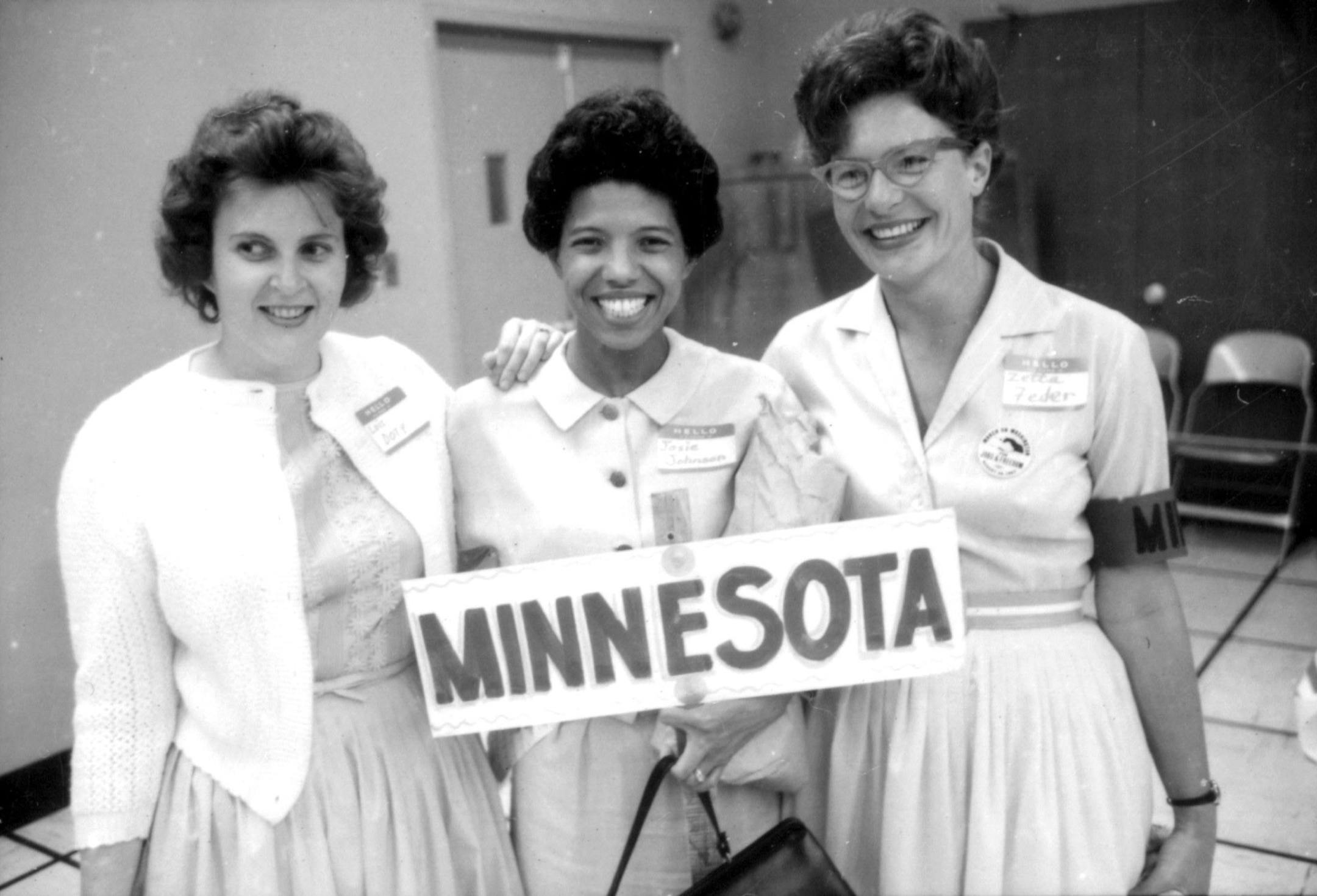
Just after dawn on an August morning 50 years ago, 58 Minnesotans boarded a plane to Washington, D.C., and became part of history.
They went to stand for human and civil rights in America — to send a message to Congress that discrimination in voting, housing, jobs and education had to go.
After marching with 250,000 others to the Lincoln Memorial, the delegation listened as a young Martin Luther King Jr. gave his now legendary "I Have a Dream" speech.
They returned inspired, fired up, rededicated to the cause — and with their work cut out for them. Early in 1963, Alabama Gov. George Wallace, in a memorable speech of his own, vowed to defend "segregation now, segregation tomorrow, segregation forever." That spring, in Birmingham, King had been arrested and jailed, and the nation had watched on black-and-white televisions as dogs and fire hoses were turned on civil-rights workers.
Several weeks before the Washington march, activist Medgar Evers was assassinated in Mississippi, gunned down in his own driveway. Shortly after the march, four black girls were killed when their church was firebombed in Alabama.
Before the end of that year, President John F. Kennedy, who had welcomed the march and had called segregation immoral, also was killed by an assassin.
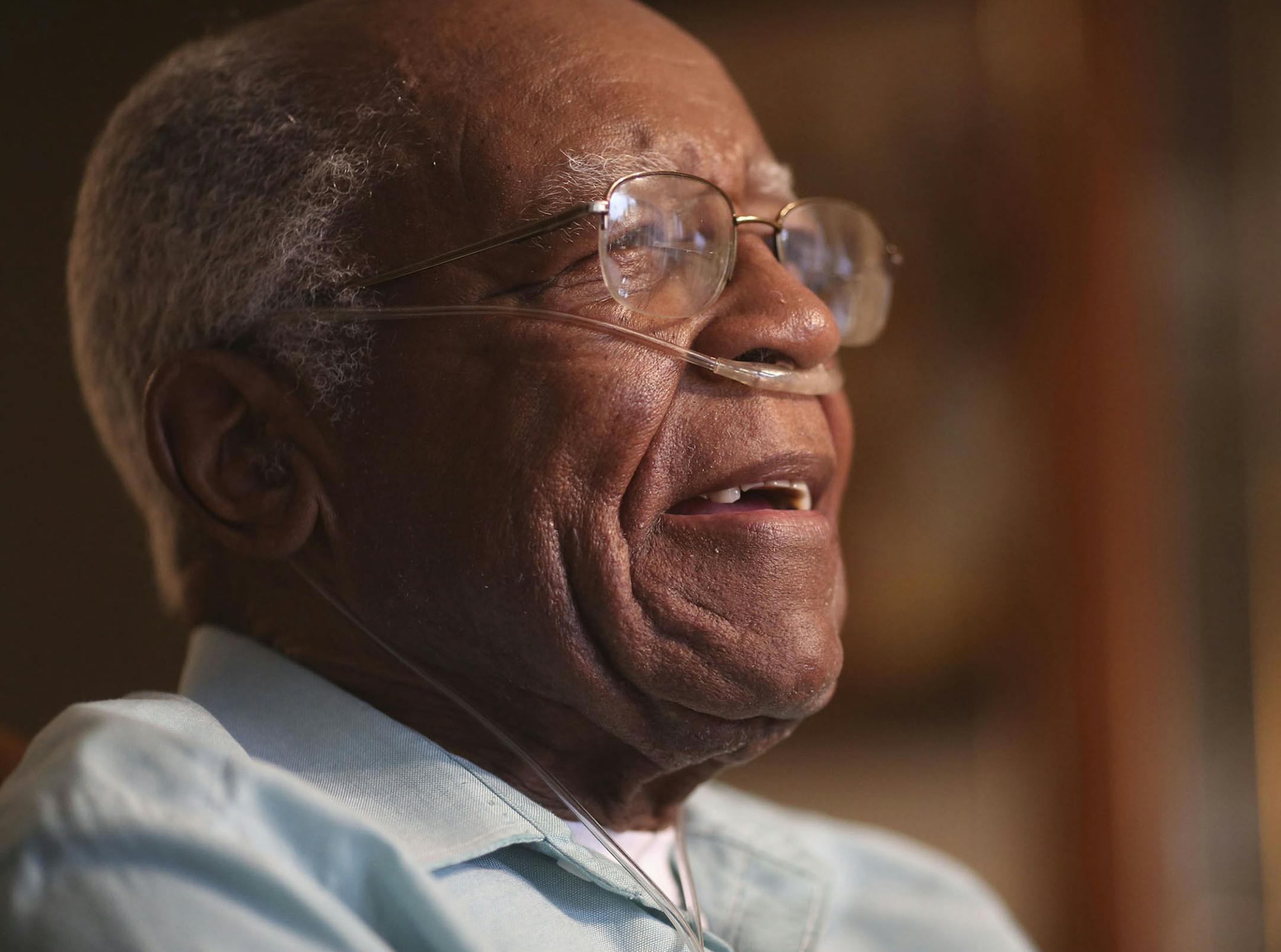
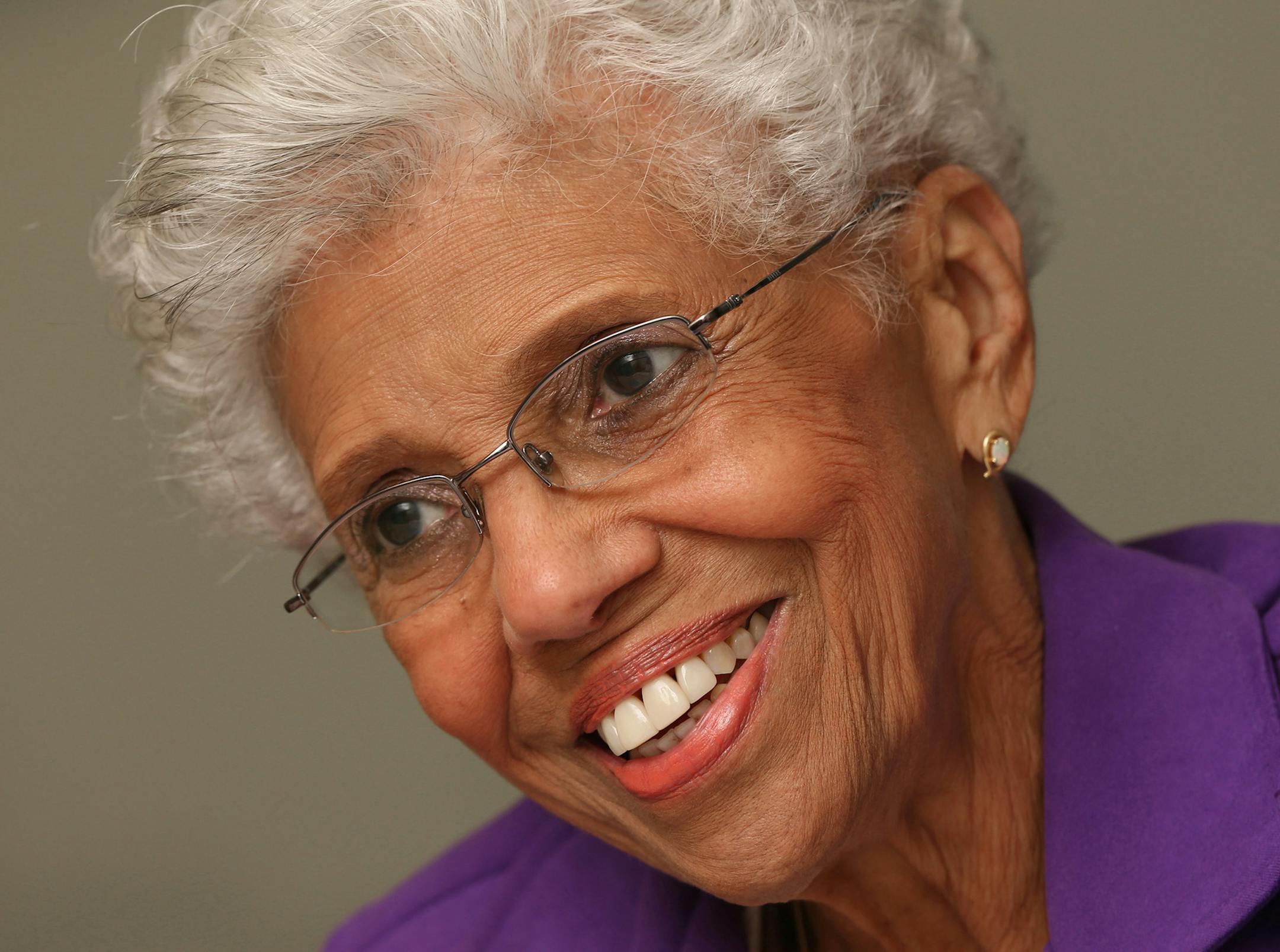
Among those in the Minnesota delegation were local civil-rights activists Josie Johnson and Matt Little. Johnson, now 82, is a former Minneapolis Urban League director and retired associate vice president and Regent at University of Minnesota. Little, now 92, is a retired post office superintendent and was president of the Minneapolis NAACP for many years.
In separate interviews, Johnson and Little talked about the march and its meaning, and about how America has and has not changed. Following are edited excerpts: