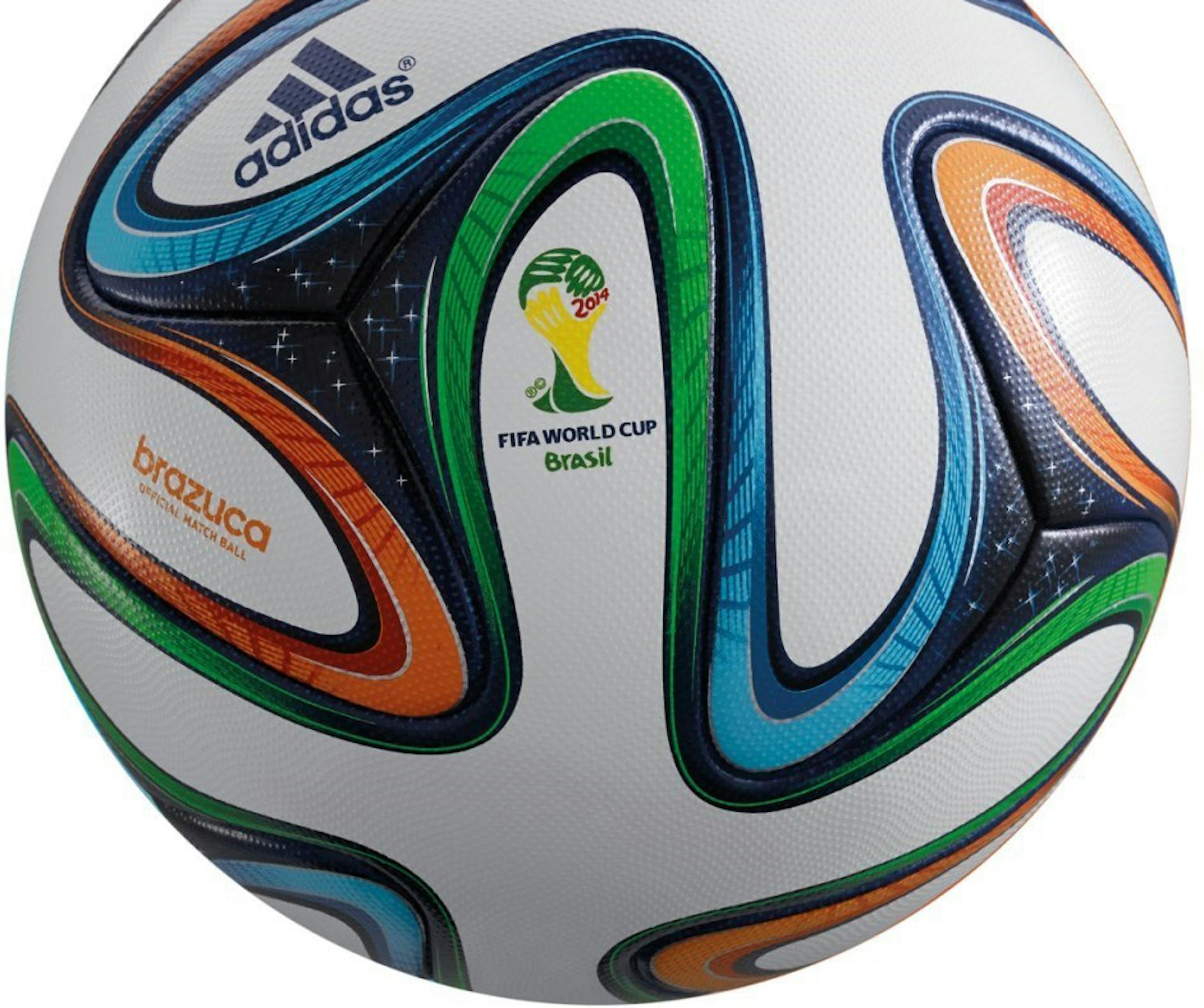
A dozen years ago, local bars had to lure customers to early morning soccer telecasts with the promise of a free breakfast.
Complimentary coffee and muffins are no longer required. When it comes to the World Cup, the international tournament that kicks off Thursday, we're no longer on the sidelines.
The final at the last World Cup, which takes place every four years, drew 25 million U.S. television viewers, a whopping 41 percent increase from 2006. That's more than the number of people who tuned in for Game 6 of the 2013 World Series.
Expect the turnout to be even greater this time around because matches will be taking place in time-zone-friendly Brazil, which means many of the key games will happen during happy hour.
"You don't have to sneak out of work and then go back to work," said Alexi Lalas, a member of the National Soccer Hall of Fame and ESPN's lead analyst. "You can go to the bar, drink and keep drinking, which is a huge part of soccer."
Tippling aside, we've come a long way since the time a World Cup qualifying match at a Minneapolis pub was interrupted by a band playing underneath the screen, or when the owner of a St. Paul restaurant showed his hatred for the game by disconnecting the cable right before a critical World Cup match.
"The passion fans have now is so radically different from the past," said Bruce McGuire, host of the podcast "du Nord Futbol" and editor of a local soccer blog. "This is what I dreamed of my whole life."
We're simply catching up with the rest of the world. The FIFA World Cup is the world's most viewed sporting event, with the 2010 final drawing 715.1 million fans. This year's Super Bowl was the most-watched in history — with a measly 115 million viewers.
![Alberto Villegas (right) raised a glass of beer with friend Daniel Guerrero after a goal had been scored. Both are originally from Mexico and were supporting the Mexican team. ] JIM GEHRZ • jgehrz@startribune.com / Minneapolis, MN / May 31, 2014 / 2:15 PM / BACKGROUND INFORMATION: Soccer is becoming more popular in the United States, especially with the World Cup coming up. Fans watched Ecuador vs. Mexico in a practice match at Pancho Villas in Minneapolis.](https://arc.stimg.co/startribunemedia/LRYY7IAUJD3IGVDI3XDTOE4YRA.jpg?&w=1080)